

 Lifestyle & Wellness Desk
Global Education Reforms: What Can We Learn from the World’s Best?
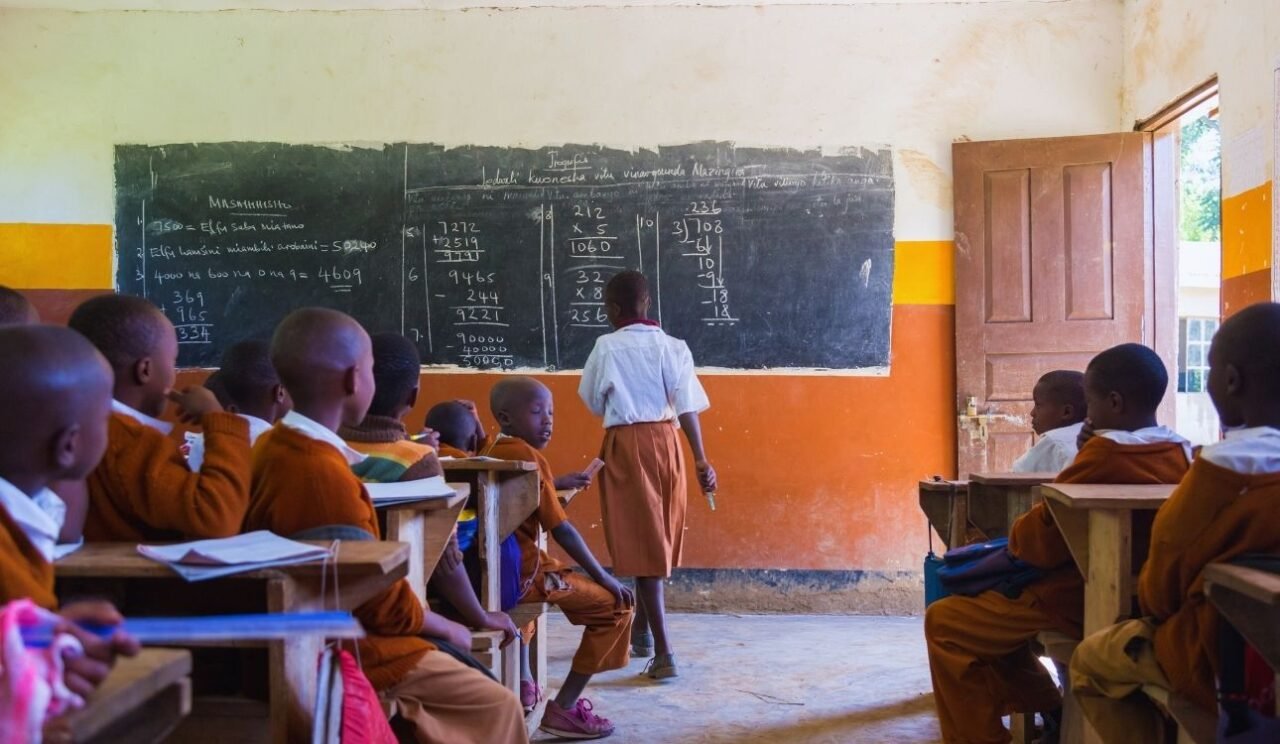
Education is the foundation of any successful society, but too often, we find ourselves questioning whether our systems are truly preparing students for the future. In Nigeria, like in many countries, education faces serious challenges, from overcrowded classrooms to outdated curricula. But looking beyond our borders, there are valuable lessons in global education reforms that can help us rethink what’s possible.
1. Finland: Redefining the Role of Teachers
Finland’s education system is often hailed as one of the best in the world. So, what makes it so effective? It’s not just about small class sizes or state-of-the-art technology. Finland places a strong emphasis on teacher autonomy. Finnish teachers are among the most highly trained globally and are trusted to design their own lesson plans based on student needs. This professional freedom, combined with continuous professional development, empowers teachers to create dynamic, student-centered learning environments.
What Can Nigeria Learn? For Nigerian educators, the lesson here is clear: when teachers are given the tools and autonomy to innovate, they thrive. Instead of focusing on rigid curriculums, Nigeria could explore ways to give teachers more flexibility, along with training that helps them adapt to diverse classroom environments.
Read more about teacher autonomy from our previous article: LINK
2. Singapore: Excellence through Rigorous Teacher Training
In Singapore, the emphasis is on making teaching a respected and competitive career. The country’s focus on teacher quality is second to none. Teachers are not only recruited from the top 30% of graduates, but they also undergo continuous, high-quality training throughout their careers. This investment in teachers has translated into one of the highest-performing education systems in the world.
What Can Nigeria Learn? In Nigeria, investing in teacher development should be non- negotiable. Creating pathways for teachers to receive the highest standard of training and support can drastically improve the quality of education. Policymakers should ensure that teacher incentives are aligned with professional growth, so that they can keep up with the evolving demands of modern classrooms.