

 admin
adminAttiéké, Ivory Coast’s Cassava Dish, Added to UNESCO’s List of Intangible Cultural Heritage
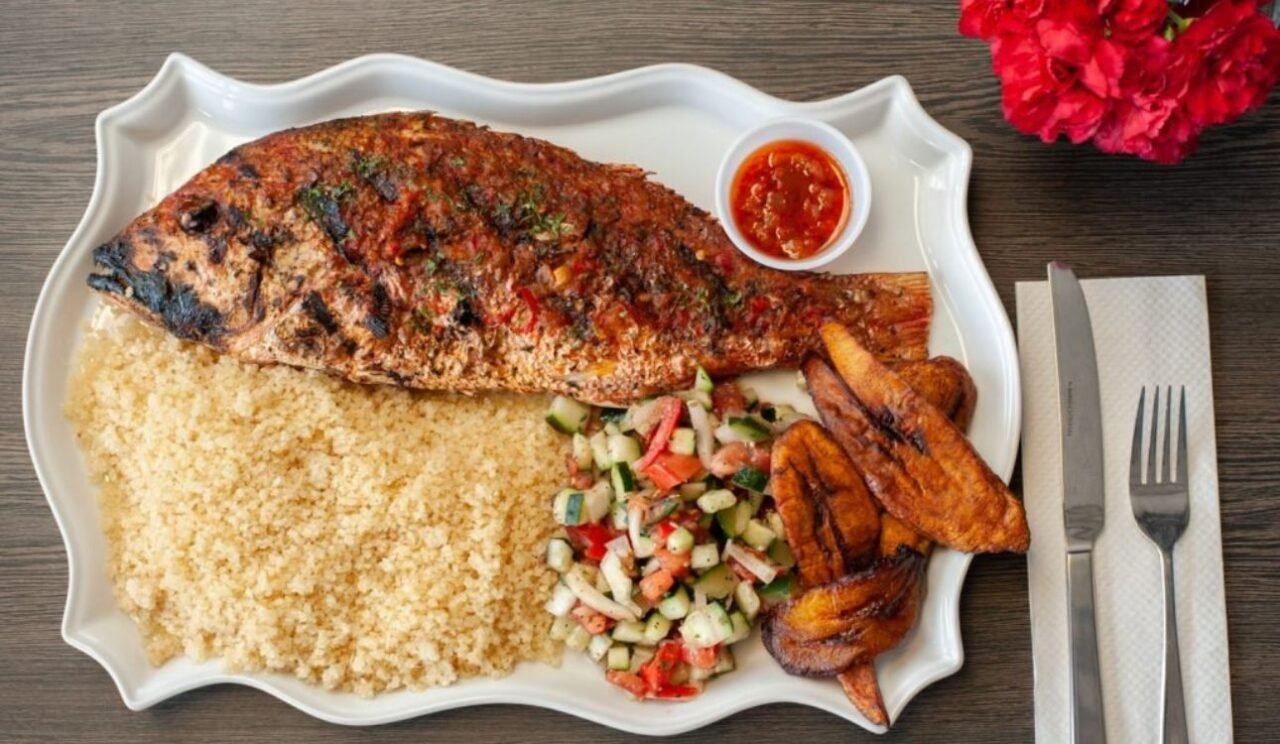
Attiéké, the iconic cassava dish cherished across Ivory Coast and West Africa, has officially been added to UNESCO’s prestigious list of Intangible Cultural Heritage. The announcement, made during the 19th session on safeguarding intangible cultural heritage in Paraguay, marks a significant moment for the Ivory Coast, where attiéké is not just a staple food but a cultural symbol that connects generations.
Popularly known as “Ivorian couscous,” attiéké is made from fermented cassava flour, and its creation is a centuries-old tradition originating from the coastal regions of Ivory Coast. Today, it’s enjoyed at every meal of the day and is particularly beloved for its pairing with grilled fish. Its inclusion in UNESCO’s list is a testament to its central role in the daily lives of Ivorian people.
Ramata Ly-Bakayoko, Ivory Coast’s UNESCO delegate, emphasized that attiéké is “deeply rooted in the daily lives of its communities” and plays an important part in the social and cultural fabric of the country. “This dish is not just a meal, but a vital link that connects the past and present, and one that is deeply cherished across generations,” she added.
The traditional preparation of attiéké, typically done by women and girls, is a meticulous process that can span several days. The cassava root is peeled, grated, fermented, and dried before being steamed to create the final product. These steps are passed down through generations, and the skills involved in making attiéké are as integral to its identity as the dish itself. This knowledge, rooted in Ivorian culture, was also added to UNESCO’s Intangible Cultural Heritage list, ensuring that these traditional practices are preserved for future generations.
For many women in Ivory Coast, making attiéké is more than just a tradition; it is a livelihood and a pathway to financial independence. The dish is sold in local markets across the country, often in small, individually wrapped servings, and plays an important role in the local economy. Beyond its cultural significance, attiéké also provides economic autonomy for many in Ivorian communities, particularly women who depend on the income generated by selling this beloved dish.
Despite its cultural importance, attiéké has not been without its controversies. In 2019, a storm of outrage erupted in Ivory Coast when Florence Bassono, a woman from neighboring Burkina Faso, won an award for her company Faso Attiéké at the Abidjan International Agriculture Show. Many Ivorians expressed anger at a foreigner winning recognition for a dish they regard as their own national treasure.
In response to such tensions, the African Regional Intellectual Property Organization (ARIPO) registered a collective trademark for attiéké earlier this year, protecting the use of the name to ensure that only cassava produced in Ivory Coast is labeled as “attiéké,” much like how only sparkling wine from the Champagne region of France can be called “Champagne.”
Despite these debates, the addition of attiéké to UNESCO’s cultural heritage list brings it global recognition, highlighting its significance not just for Ivory Coast but for humanity at large. UNESCO’s inclusion underscores the importance of preserving traditional practices that face the risk of being overshadowed in an increasingly globalized world.
Attiéké’s inclusion is more than just a culinary triumph for Ivory Coast. it is a proud celebration of cultural identity and heritage that transcends borders. From its role as a source of income for countless women to its cultural importance at community ceremonies such as weddings, baptisms, and funerals, attiéké continues to hold a special place in the heart of Ivory Coast.
Photocredit: Attiéké from Afrikana.sk.