

 Edupreneur Insights Desk
Literacy and Belonging: What It Means for Canadian Educators and School Leaders
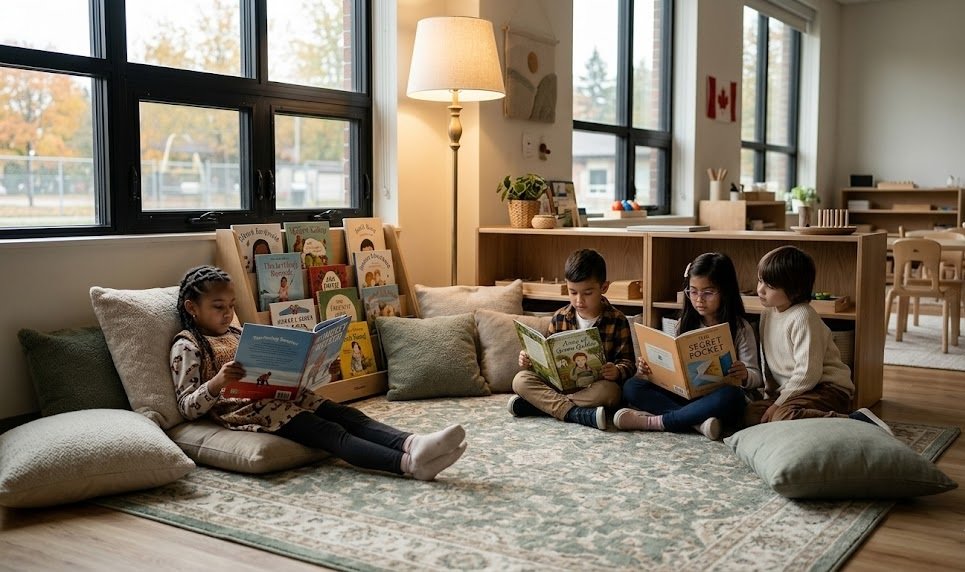
While literacy achievement is often discussed through the lens of phonics, fluency, and cognitive processing, a growing body of research suggests that the “emotional architecture” of the classroom is equally critical. New insights from literacy advocates emphasize that “belonging” is not merely a social goal but a rigorous academic strategy. When students feel safe and validated, they are more willing to take the cognitive risks necessary to master complex reading and writing tasks.
By the time a student in Canada reaches high school, they have spent approximately 8,000 hours in the classroom. If that space feels culturally or emotionally alien, literacy outcomes suffer. Conversely, when the environment validates a student’s home language and identity, learning becomes “sticky”—embedding knowledge through authentic human connection rather than rote memorization.

Why This Matters
School Leaders and Educators
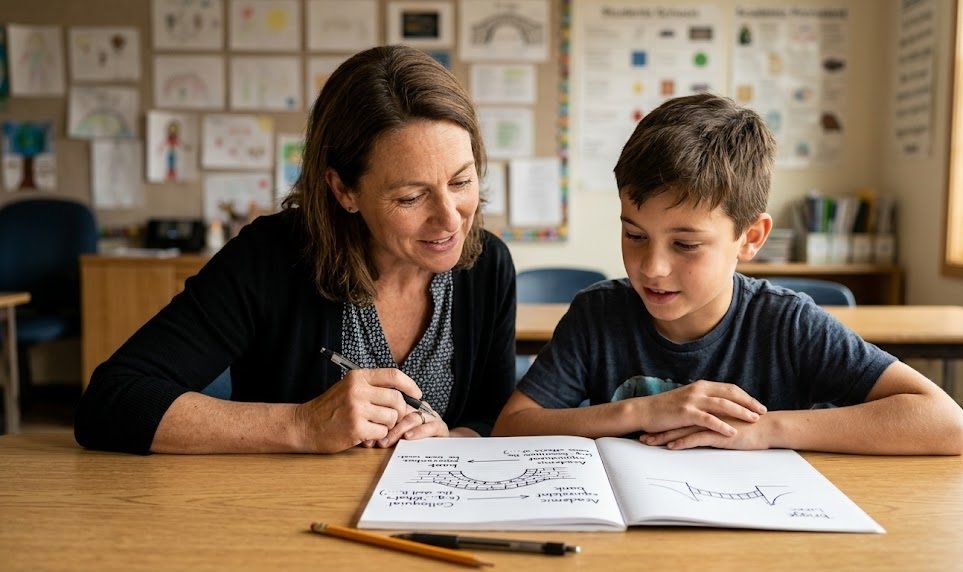
For administrators and teachers, the shift toward a “belonging-first” framework requires moving beyond standard curriculum delivery. In Canada—where classrooms are increasingly diverse and inclusive of Indigenous perspectives and immigrant voices—the intentional “legitimization” of home cultures is a pedagogical necessity. Educators are tasked with building “cultural bridges,” such as connecting regional dialects or youth slang to academic vocabulary, ensuring that a student’s lived experience is treated as an asset rather than a barrier.
Households and Individuals
Parents often view literacy as a set of technical skills to be practiced at home. However, evidence suggests that a child’s emotional comfort is the primary engine of their reading progress. When a “home-away-from-home” environment is created—prioritizing comfortable seating and diverse book collections—children are more likely to engage in deep reading. For families, the takeaway is clear: confidence and curiosity are the prerequisites for competence.
Academics and Students
The “Validation, Affirmation, Building, and Bridging” (VABB) framework serves as a strategic roadmap for reversing negative stereotypes in marginalized communities. Academics are increasingly focusing on how “coherence” in curriculum—linking social studies, vocabulary, and project-based learning—strengthens neural pathways. For the student, a sense of belonging reduces the “affective filter” (anxiety), allowing the brain to process linguistic information more efficiently.
Implications and Emerging Signals
The move toward belonging-fueled literacy reflects a broader transition in global education toward “Whole-Child” instructional models.
- Environmental Design as Pedagogy: Classroom aesthetics are shifting away from industrial lighting and rigid seating. In provinces across Canada, there is a trend toward “resimercial” design (blending residential warmth with commercial durability) to reduce student stress and improve focus.
- Curriculum Representation as a Functional Requirement: Representation is no longer just a diversity initiative; it is an instructional tool. Future curriculum audits will likely prioritize “identity-reflecting texts” as a core requirement for driving literacy growth in underperforming demographics.
- Strategic Intentionality Over Hope: As literacy advocates suggest, “hope is not a strategy.” We are seeing a shift where school districts codify “belonging” into their strategic plans, measuring it through student engagement data and long-term academic growth.
Key Takeaways
- Audit the Physical Environment: School leaders should evaluate classrooms for “warmth” and sensory comfort. Small changes—using lamps instead of harsh overheads or creating cozy reading nooks—lower the barriers to student engagement.
- Implement the VABB Framework: Focus on Validating backgrounds, Affirming identities, Building on existing assets, and Bridging to academic skills. This transforms cultural background into a tool for learning.
- Prioritize Curricular Coherence: Ensure that core and supplemental programs are aligned. When students see themes like “community” repeated across literacy and social studies, vocabulary acquisition becomes more durable.
- Diversify “Classroom Libraries”: Ensure students encounter “mirrors” (stories that reflect them) and “windows” (stories that show others). Affirmation is the most direct route to building a child’s reading confidence.
- Move Beyond Technical Instruction: While phonics and fluency are essential, they must be housed in a supportive environment. Without a sense of belonging, even high-quality technical instruction may fail to produce long-term success.
This reflects a broader shift toward an integrated view of education, where the emotional safety of the learner is recognized as the foundational substrate for all academic achievement.

