Category: The Edits

admin26 March 2026

5min5090
Editor’s Note: This article contains affiliate links. As an Amazon Associate, I earn from qualifying purchases. In today’s fast-paced professional and social world, your fragrance is more than a finishing touch. It is part of your identity. The right perfume can signal confidence in the boardroom, elegance on a date, and effortless style in everyday life. Rather than owning dozens of fragrances, the modern woman needs a strategic, well-curated selection that works across different moments. Below are five standout perfumes, each carefully matched to a specific occasion. Best Perfume for Office Maison Francis Kurkdjian Paris 724 EDP for Uni Sex, 2.4 Ounce If your goal is to smell polished, clean, and quietly sophisticated, this is your office signature. Maison Francis Kurkdjian 724 delivers a fresh, airy, and refined scent profile that feels like stepping into a luxury space. It is subtle enough for professional environments yet distinctive enough to leave an impression. Perfect for meetings, presentations, and daily professional interactions. Get it on Amazon : https://amzn.to/4t3YT3a (Paid Link) Best Perfume for Date Night Kilian Angels Share EDP Spray Unisex 1.7 oz For evenings that demand warmth, depth, and memorability, Kilian Angels’ Share stands out. This fragrance is rich, sensual, and slightly sweet, creating an intimate and luxurious aura. It lingers beautifully and evolves throughout the evening, making it ideal for romantic settings and special occasions. This is the scent that gets remembered. Get it on Amazon: https://amzn.to/47rwHyX (Paid Link) Best Going Out Perfume Maison Francis Kurkdjian Baccarat Rouge 540 Pure Perfume, 2.3 Fl Oz (Pack of 1) If there is one fragrance that defines modern luxury and attention, it is Baccarat Rouge 540. This is your statement scent. Bold, distinctive, and instantly recognizable, it is designed for moments when you want to stand out. Whether you are attending events, networking, or stepping out for the night, it delivers presence and confidence. Expect compliments. A lot of them. Get it on Amazon: https://amzn.to/47nmtj3 (Paid Link) Best Perfume for Daily Use Byredo Bal Dafrique, 3.4 Oz For everyday elegance, Byredo Bal d’Afrique strikes the perfect balance between freshness and personality. It is light, uplifting, and versatile, making it ideal for daily wear. Whether you are running errands, working remotely, or meeting friends, this fragrance feels effortless and refined. A true “grab-and-go” signature scent for modern women. Get it on Amazon: https://amzn.to/4t2N7pE (Paid Link) Best Perfume for Hot Weather Victoria’s Secret Bombshell Summer Perfume For Women Eau De Parfum 3.4 Fl Oz Hot weather calls for something fresh, vibrant, and breathable, and Bombshell Summer delivers exactly that. With its bright, fruity-floral profile, this fragrance feels clean, energetic, and perfect for warm days. It is ideal for vacations, daytime outings, and any situation where heavy scents feel overwhelming. Think light, refreshing, and effortlessly attractive. Get it on Amazon: https://amzn.to/3PrJBqA (Paid Link) Facilitator’s Insight: Build a Fragrance Strategy, Not a Collection In leadership and personal branding, consistency matters. The same applies to fragrance. Instead of randomly choosing perfumes, build a fragrance system: one for professional settings one for evenings one for daily wear one for special occasions one for seasonal use This approach ensures that your scent always aligns with your environment and intention. Key Takeaway The modern woman does not need more perfumes. She needs the right ones. With these five selections, you are covered for: work everyday life social outings special moments seasonal changes Your fragrance should work as hard as you do and speak before you say a word.  

Zara Lianne23 May 2025
tech-1280x744.jpg

7min15240
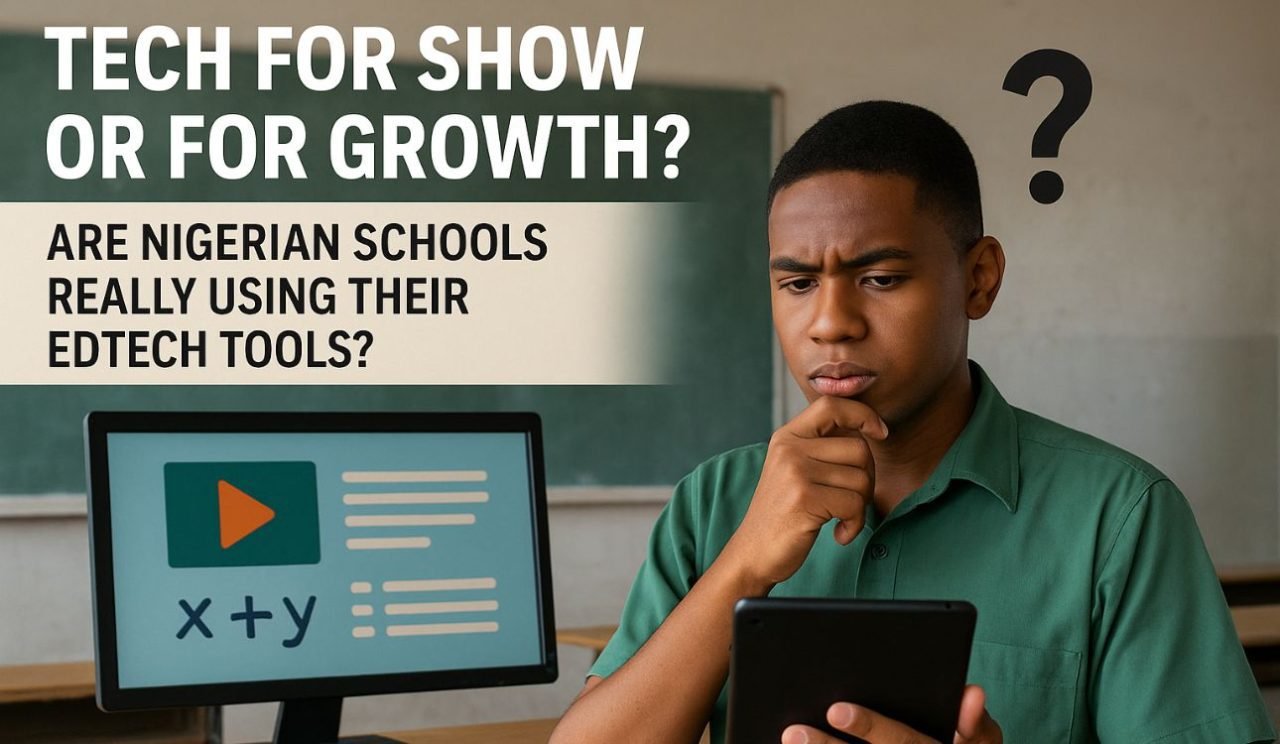
In the past few years, Nigerian schools have seen a rise in technology-driven education projects. From tablets to smart classrooms, government and private organizations are pushing digital tools into classrooms with the promise of transforming learning. But while the announcements sound exciting, the big question remains: Is EdTech really making a difference in Nigerian classrooms, or just making headlines? What’s Happening? Across Nigeria, various educational technology (EdTech) programs are being rolled out: Niger Delta: In 2024, the Niger Delta Development Commission (NDDC) launched 45,000 tablets preloaded with uLesson learning videos for public schools. The aim? To boost learning and bridge the education gap in hard-to-reach areas. Edo State: The EdoBEST program gave digital tablets to primary and junior secondary schools. The new state government kept the project but said they’re replacing old content with updated lessons. Kaduna State: In 2022, headteachers of all public primary schools received tablets—mainly for taking attendance and school data collection. Lagos State: In 2025, Lagos piloted “smart classrooms” in three public schools using a device called Classbox. It comes with a tablet, projector, internet access, and educational content. The students called it “learning without borders.” Private Schools (Lagos): A group of private school owners (NAPPS) signed a deal to give 5 million students AI-powered laptops. Though promising, this plan is still on paper. What’s the Goal? These programs are often described as ways to improve student performance, help teachers, and ensure all students (especially in poor or rural areas) have access to quality education. Government officials and tech company leaders say these tools help students master their lessons better, and even prepare them for future tech jobs. But Is It Working? Here’s where things get tricky. A number of reports and studies show that many of these tools are not being used as intended: In one survey in Oyo State, students had tablets but mostly used them for games and social media, not studying. Teachers often lack proper training on how to use digital tools in the classroom. Poor electricity and internet access (especially in rural areas) mean many devices go unused. In some places, digital content doesn’t match the national curriculum, making it hard to use in class. Even when the devices are available, there is no clear system to track if students are learning better with them. Some Bright Spots That said, not all is bleak. In schools where the tools were introduced with good planning, training, and strong content, there have been improvements: Lagos’s pilot schools reported better student engagement using “Classbox”. UBEC and KOICA have built ICT labs and trained over 200 teachers in six states. Some NGOs and startups are teaching kids coding, robotics, and science with hands-on tools but mostly in private or city schools. The Bottom Line EdTech in Nigeria has potential, but technology alone is not enough. For it to truly improve education: Devices must come with quality local content that matches the curriculum. Teacher training is essential. If teachers can’t use the tech, students won’t benefit. Infrastructure like electricity, internet, and repairs must be in place. Governments must track results, not just distribute devices for media praise. As one education official put it: “These are not toys. They must lead to real learning.” Right now, Nigeria’s EdTech journey is still unfolding. The promise is there, but whether it brings real change depends on what happens after the launch events. What do you think? Is EdTech the future of Nigerian classrooms, or are we moving too fast without the basics?

Zara Lianne16 May 2025
jamb-1280x744.jpg

6min31820
In what should have been a turning point for Nigeria’s educational technology system, the 2025 Unified Tertiary Matriculation Examination (UTME) has instead become a cautionary tale. Over 78% of students who sat for this year’s JAMB exam scored below 200, and more than 379,000 candidates were asked to retake the exam due to errors linked to the computer-based testing (CBT) system. For a generation that was promised digital transformation in education, this was a devastating blow. The Joint Admissions and Matriculation Board (JAMB) has acknowledged technical and human errors across 157 CBT centers. Some students couldn’t log in; others watched helplessly as the systems shut down mid-exam. For an exam that largely determines access to higher education, these failures are not just technological, they are deeply personal, affecting the hopes, emotions, and future of hundreds of thousands of young Nigerians. Technology: A Tool or a Trap? When JAMB moved fully to CBT in 2015, it was celebrated as a bold leap toward modernizing education. Computer-based testing was supposed to reduce cheating, standardize assessments, and speed up result processing. But what we’ve seen is that technology, when poorly deployed, doesn’t just fail — it punishes. Most of the affected students did everything right. They studied hard. They showed up early. They trusted the system. Yet they are now being told to retake exams they had already mentally moved past, not because of incompetence, but because of infrastructure failures and poor oversight. The CBT model was not the problem. The problem was the lack of readiness and accountability among the tech providers and centers contracted to carry it out. Systems crashed. Power fluctuated. Logins failed. And yet, students were the ones who bore the consequences. The Digital Divide is Still Real One of the most disturbing revelations from this crisis is how deeply unequal access to EdTech remains. In urban areas, students may have computers and internet to practice CBT simulations. But in rural and underserved areas, many students took their first-ever computer-based exam at the JAMB center. Imagine walking into an exam that could determine your future and not knowing how to use a mouse. JAMB currently does not provide any standardized or approved CBT practice platform for students. This leaves thousands at the mercy of third-party apps, most of which are either paid, unreliable, or misaligned with the real test structure. How can we push for a tech-driven exam without providing tech-driven preparation? A Wake-Up Call for EdTech in Nigeria This year’s UTME result isn’t just a setback for students, it’s a wake-up call for Nigeria’s education system. Technology is only as good as the planning, investment, and policy behind it. And right now, that foundation is shaky. It’s time for EdTech stakeholders, JAMB, and the Ministry of Education to: Audit and certify all CBT centers, ensuring only credible ones are allowed to operate. Provide a free, JAMB-approved CBT simulation platform that works on low-end devices and offline. Train students and teachers, especially in public schools, on basic digital literacy well before exam season. Establish a grievance redress system that gives students a real voice when things go wrong. Moving Forward Nigeria’s young people deserve better. They deserve an education system that doesn’t just demand excellence, but supports it. Technology has the power to transform access, inclusion, and efficiency but only if it is backed by serious investment in infrastructure, policy, and human capacity. If we continue to deploy digital solutions without digital readiness, we will keep seeing heartbreaks like this year’s UTME. And for a country with as much potential as Nigeria, that’s not just a failure of systems, it’s a failure of leadership.

Zara Lianne9 May 2025
website-images-2-1-1280x744.png

8min14260
The classroom is evolving. From chalkboards and textbooks to tablets and AI tutors, education is undergoing a major transformation. Around the globe, artificial intelligence (AI) is increasingly being used to support teaching, offering personalized learning, round-the-clock support, and data-driven insights. But as AI grows in influence, educators and stakeholders are asking a critical question: can it replace the role of human teachers, or should it only support them? The Rise of AI Tutors AI tutors, like chatbots, learning apps, and adaptive platforms, are designed to deliver customized instruction. Unlike traditional lessons where all students receive the same material at the same pace, AI tutors analyze a learner’s progress in real time and adjust content to suit their strengths and weaknesses. Globally, tools like ChatGPT, and Squirrel AI (China),are helping students tackle subjects ranging from math to writing. In India, AI-assisted tutoring apps have significantly improved student performance in rural areas. In the United States and the UK, schools are using AI to provide instant feedback on essays and homework, allowing students to practice more and improve faster without increasing teachers’ workload. One of the biggest advantages of AI tutors is accessibility. In underserved regions with teacher shortages, such as parts of Sub-Saharan Africa and rural Asia, AI is helping bridge gaps. Students with internet access can now learn without needing a physical classroom or teacher present. This is particularly helpful in regions where class sizes are large and quality instruction is scarce. The Irreplaceable Human Element Despite these advancements, AI still falls short in areas where human connection matters most. Teachers do far more than deliver facts. They inspire, guide, motivate, and understand the emotional needs of students. They detect when a child is struggling (not just academically, but personally as well) and they respond with empathy. Human teachers adapt their methods based on mood, classroom dynamics, and socio-cultural factors. They teach life skills like teamwork, empathy, and ethics – areas AI simply cannot master. In fact, many educators believe the true power lies in blending AI with human instruction. By letting AI handle repetitive tasks like grading or quiz generation, teachers can focus on what machines can’t do; that is mentoring, relationship-building, and fostering creativity. Global Trends and Mixed Outcomes Worldwide, AI in education is being embraced unevenly. In developed nations, especially in Europe and North America, schools are integrating AI into lesson plans, marking schemes, and student tracking systems. In developing regions, AI’s impact is growing rapidly, sometimes even leapfrogging traditional systems. For example, China has adopted AI-based platforms on a national scale to reduce performance gaps between urban and rural schools. In Africa, edtech startups are customizing AI tools to deliver math and literacy lessons over low-bandwidth mobile networks. However, access remains a barrier. Millions of students still lack electricity, internet access, or digital devices. These students risk being left behind in the AI revolution. Additionally, many educators lack training in how to use AI tools effectively, raising concerns about misuse or over-dependence on technology. Winners, Losers, and the Equity Question So who wins in the AI-human education shift? Winners include: Students in low-resource settings who now have access to expert-level practice via AI. Independent learners who thrive with self-paced, tech-supported study. Schools that use AI to improve teaching efficiency and personalize learning. Losers could include: Students in offline communities without access to devices or internet. Young children and special-needs learners who require close human supervision. Schools that adopt AI without a clear understanding of its limits. Another risk lies in bias and ethics. AI tools are only as fair as the data they are trained on. If not carefully designed, they may misinterpret diverse learner needs or reinforce stereotypes. There are also concerns about privacy. Student data collected by AI platforms must be safeguarded against misuse. The Future: Collaboration, Not Competition Rather than a battle between man and machine, the future of learning may lie in partnership. AI tutors can offer personalized support and scale education, while human teachers provide emotional intelligence and ethical guidance. For this to work, educators must be trained in AI literacy. Policymakers must ensure equitable access. And AI developers must prioritize transparency and inclusiveness. As AI reshapes education, the most successful models will be those that combine the precision of machines with the compassion of humans. Teachers are not being replaced rather, they are being reimagined as mentors, facilitators, and creative guides in an AI-enhanced world.

article005-1280x744.png

5min34350
We are living in the age of Artificial Intelligence. From smart assistants in our homes to AI systems diagnosing diseases and driving innovation across industries, it’s clear that AI is no longer a luxury or a buzzword, it is the future happening now. Companies around the world are racing to release cutting-edge AI models, while automation is transforming the way we live, work, and learn. Yet, despite all this progress, many computer science students are still stuck in the past. Their curriculums, unchanged for years, fail to reflect the digital transformation happening outside the classroom. They graduate into a fast-evolving tech world—but without the foundational knowledge of AI, data science, or machine learning. Instead of stepping into jobs ready, many are forced to take extra courses or self-train just to catch up. That should not be the case. The Industry Has Moved On; Education Hasn’t Today’s tech employers need more than just basic programming or theoretical computer science. They need talent that understands real-world technologies: tools like neural networks, natural language processing, and AI model deployment. But in many institutions, these crucial topics are either missing or barely skimmed. Students spend years learning languages and systems that are no longer widely used, while groundbreaking innovations go unmentioned. This disconnect isn’t just inconvenient—it’s unfair. It puts students at a disadvantage, wasting time and potential. Meanwhile, Others Are Moving Ahead China offers a compelling example. The country has made deliberate efforts to integrate AI-focused courses into its education system from the ground up. Students are being introduced early to AI, robotics, and data-driven thinking. The result? A generation of graduates who are ready not just to work with technology but to shape its future. China’s approach is strategic. It understands that to lead tomorrow, you must train for tomorrow—today. So, What Are We Waiting For? The world is changing, and education must change with it. This is not a challenge just for public universities or government policymakers. Private schools must also rise to the occasion. Now is the time to revise outdated curriculums, introduce AI literacy early, and make space for emerging technologies in our classrooms. This doesn’t mean discarding the fundamentals of computer science. it means updating them with relevance, direction, and purpose. Let’s stop graduating students who are lost at the finish line. Let’s equip them with not just knowledge, but career clarity. This Is a Call to Action If we truly want to prepare our youth for the future, we must stop seeing AI education as optional. Curriculums must reflect the realities of the workforce. Governments must invest in infrastructure, teacher training, and forward-thinking policies. Private schools must ensure they are not just offering education, but offering value. Give students the best that money and effort can provide. Because when we invest in knowledge, we invest in our collective future. The Bottom Line AI is here. It’s not coming, it has already arrived. And if we want to keep pace, we must act now. This is the time to modernize our computer science curriculums, empower our students, and embrace the technologies that are shaping the world. The cost of inaction is far greater than the price of change. Let’s teach for tomorrow, today.

Ifunanya Okafor28 February 2025
pic-1280x744.jpg

5min5540
In 2025, classrooms are experiencing a digital transformation that is reshaping how students learn and teachers teach. Cutting-edge tools, from AI-powered personalized learning systems to immersive augmented and virtual reality (XR) experiences are all being integrated into everyday education. However, even as technology brings new possibilities, maintaining the essential human connection in teaching remains critical. AI-Driven Personalized Learning AI tools, such as ChatGPT Edu, are now playing a vital role in personalizing education. These systems analyze each student’s learning style and performance to tailor content and pace accordingly. For example, when a student struggles with a math problem, an AI tutor can offer extra practice and step-by-step explanations immediately. This adaptive approach means every learner can progress at a comfortable pace without falling behind. Key Benefits: Adaptive Lessons: Courses automatically adjust in difficulty, ensuring challenges remain appropriate. Immediate Feedback: Instant corrections help students learn from their mistakes on the spot. Efficiency for Teachers: With routine tasks like grading streamlined by AI, teachers have more time for creative, high-impact teaching. Immersive XR Enhancing Engagement Alongside AI, immersive technologies like augmented and virtual reality are making their way into classrooms. XR tools allow students to take virtual field trips, explore interactive science labs, or even “step inside” historical events, all without leaving the classroom. These experiences not only capture students’ imaginations but also help them understand complex concepts through visual and hands-on learning. Highlights: Virtual Field Trips: Students can tour museums or ancient cities, enriching history lessons with vivid, interactive experiences. Simulated Labs: Science experiments become safer and more accessible through virtual simulations. Collaborative Learning: XR enables group projects in digital environments, encouraging teamwork and critical thinking.   Preserving Human Connection Despite these technological leaps, the value of human interaction in education remains irreplaceable. Teachers do more than deliver content; they inspire, guide, and connect with students on a personal level. As classrooms become more tech-driven, educators are finding creative ways to blend digital tools with traditional teaching methods. Strategies for Balance: Tech-Free Moments: Incorporating periods without digital devices can foster discussion, critical thinking, and personal interaction. Blended Learning: Combining online lessons with face-to-face activities ensures that technology enhances rather than replaces human connections. Professional Development: Ongoing training helps teachers use new technologies effectively while maintaining their unique teaching style and empathy. Looking Ahead: A Balanced Future The AI revolution in education offers exciting possibilities, from highly personalized learning to immersive XR experiences that bring lessons to life. However, the challenge for educators is to integrate these tools without sacrificing the warmth and insight that only a human teacher can provide. By embracing a balanced approach, schools can harness the power of technology to improve student outcomes while ensuring that learning remains a deeply personal experience. As we move further into 2025, the future of education will be defined by this delicate balance. Educators, tech innovators, and policymakers must work together to create environments where AI and XR serve as powerful allies, not replacements, for the human touch in teaching.  

Ifunanya Okafor21 February 2025
communication-technology-1280x744.jpg

5min4780
In today’s interconnected world, technology has become the cornerstone of modern education, transforming traditional learning environments into dynamic, collaborative spaces. By leveraging digital tools, educators are breaking down geographical barriers, fostering teamwork, and enhancing real-time communication all while preparing students for a rapidly evolving future. The Rise of Digital Collaboration The advent of digital tools has revolutionized how students and educators interact. Cloud-based platforms, real-time chat applications, and collaborative software now make it possible to work together seamlessly, regardless of physical location. These innovations have replaced the one-size-fits-all approach with a more personalized learning experience, where students can collaborate on projects, share resources, and solve problems collectively. This shift not only enhances academic performance but also cultivates essential soft skills like critical thinking and effective communication. Virtual Classrooms: Breaking Down Geographical Barriers Virtual classrooms have redefined the boundaries of traditional education. Platforms such as Zoom, Microsoft Teams, and Google Meet have enabled educators to create interactive, online learning environments where distance is no longer a limitation. These tools facilitate live lectures, breakout sessions for group work, and instant messaging for clarifications, ensuring that every student remains engaged. With virtual classrooms, the classroom experience becomes accessible to anyone with an internet connection, thereby promoting inclusivity and a more global exchange of ideas. Harnessing Social Media for Peer Engagement Beyond formal learning platforms, social media has emerged as a powerful tool in the educational landscape. Educators and students alike are using networks like Facebook, Twitter, and LinkedIn to form communities centered around shared academic interests. These platforms allow for continuous dialogue, resource sharing, and peer feedback long after the school day ends. Social media fosters a sense of community and encourages students to collaborate on projects, discuss ideas, and challenge each other in constructive ways, enhancing their overall learning experience. Real-Time Feedback: Enhancing Learning Outcomes One of the most transformative benefits of technology in education is the ability to provide real-time feedback. Digital assessment tools and collaborative platforms enable educators to evaluate student work instantly, offering personalized guidance that helps students improve continuously. Moreover, peer review systems allow learners to give and receive feedback, creating a vibrant ecosystem of continuous learning. This immediate interaction not only clarifies misunderstandings promptly but also motivates students to engage more deeply with the material. The Future of Collaborative Learning Looking ahead, the integration of emerging technologies such as augmented reality (AR) and virtual reality (VR) promises to further elevate collaborative learning. These immersive tools have the potential to create highly interactive educational experiences, allowing students to explore complex subjects in engaging, hands-on ways. As educational institutions continue to embrace these advancements, the classroom of the future will be defined by its ability to adapt to diverse learning needs, foster innovative thinking, and prepare students for a technology-driven world. Conclusion Enhancing collaboration and communication in education through technology is not just a trend. it’s a necessary evolution in how we approach learning. By adopting virtual classrooms, harnessing the power of social media, and utilizing real-time feedback systems, educators can create a more inclusive, interactive, and effective educational experience. As we look toward the future, it is clear that technology will continue to play a pivotal role in shaping the way students learn and succeed in an ever-changing global landscape.

Ifunanya Okafor7 February 2025
article-1280x744.jpg

7min7150
The world of education is changing fast, and teachers in Africa have a golden opportunity to tap into the growing demand for online learning. With the rise of AI-driven tools and global e-learning platforms, educators can now extend their impact beyond the classroom and earn extra income by teaching online. Whether you are in Nigeria, Kenya, Ghana, South Africa, or anywhere in Africa, this guide will show you how to start and succeed as an online tutor. Why Teach Online? The benefits of online teaching go beyond financial gain. Here’s why more teachers are embracing digital classrooms: Flexible Online Teaching Jobs – Teach at your own convenience and balance work with other commitments. Global E-Learning Platforms – Connect with students across Africa and beyond, expanding your influence. Diverse Tutoring Opportunities – Teach academic subjects, language skills, test prep, or even specialized courses like coding and soft skills. Earn in Foreign Currency – Many platforms pay in dollars or euros, which can significantly boost your income. Top Platforms for Online Teaching in Africa If you’re wondering where to apply, here are some of the best tutoring websites for African educators: 1. Preply (Link) Specializes in language tutoring but also offers other subjects. Set your own rates and schedule. Popular for English teachers in Africa. 2. Chegg Tutors (Link) Focuses on academic subjects like math, science, and business. Offers flexible work hours and pays per lesson. Ideal for teachers with strong subject knowledge. 3. TutorMe (Link) Provides on-demand tutoring in a variety of subjects. Good for teachers who want to tutor part-time. Offers competitive pay and a steady stream of students. 4. NativeCamp (Link ) Great for English teachers looking to teach non-native speakers. No prior teaching experience required. Offers bonuses and incentives for high performance. How to Succeed in Online Tutoring Choose a High-Demand Niche – Specialize in subjects like English language teaching, STEM education, or business coaching. Create an Optimized Tutor Profile – Highlight your experience, qualifications, and teaching style using keywords like “best tutoring sites for Nigerian teachers” and “how to earn extra income teaching online.” Set Competitive Rates – Research how much others are charging and start with a fair price to attract students. Optimize for SEO – Use keywords like “online tutoring in Africa,” “teach English online,” and “top platforms for online teaching in Nigeria” in your profile and descriptions. Deliver Engaging Virtual Lessons – Use interactive tools, structured lesson plans, and personalized learning strategies to retain students. Market Your Services Effectively – Promote your profile on LinkedIn, Facebook, and Twitter to attract more students. Overcoming Common Challenges While online teaching is rewarding, African educators may face some challenges, such as: Internet Connectivity Issues – Invest in a stable internet connection and have backup data options. Payment Limitations – Some platforms require PayPal, so consider setting up international payment solutions like Payoneer. High Competition in Online Tutoring – Stand out by offering unique teaching approaches and excellent student reviews. Final Thoughts The digital education revolution is here, and African teachers have more opportunities than ever to share their expertise, grow professionally, and earn extra income. Whether you want a side hustle or a full-time online teaching career, there is a platform and a student waiting for you. Now is the best time to take action. Sign up on a platform, optimize your tutor profile, and start teaching online today!

Ifunanya Okafor17 January 2025
Untitled-design-1-1-1280x744.jpg

5min8820
CES 2025 was a spectacle of innovation, with tech enthusiasts and industry leaders gathering to witness the unveiling of groundbreaking technologies. Among the myriad of innovations, the spotlight shone brightly on educational technology (EdTech), promising to reshape the future of learning for educators and students alike. Here’s a look at some of the most exciting EdTech developments revealed at this year’s event. Seomjae’s AI Learning Platform ‘CHALK’ One of the standout innovations was Seomjae’s AI-driven learning platform, CHALK. This platform leverages ONTOLOS, an ontology-based AI system, to personalize learning experiences in real-time. By analyzing students’ goals, habits, and preferences, CHALK dynamically adjusts lesson content and difficulty, ensuring an engaging and tailored educational journey. CHALK also introduces a 3D gamified Learning Management System (LMS), where students can set goals, earn points, and collaborate with peers. This interactive approach transforms learning from traditional rote memorization into an immersive experience that fosters critical thinking and active participation. Hihaho’s Interactive Video Platform Hihaho brought a revolutionary approach to video-based learning with their AI-powered interactive video platform. This technology allows educators to convert any video into an engaging, interactive lesson. The platform’s AI Assistant aids teachers in creating personalized content effortlessly, adapting materials to suit individual learning needs. Hihaho’s analytics feature provides valuable insights into student engagement and learning outcomes, enabling educators to refine their teaching strategies. With this innovation, educators can elevate their content delivery, making learning more interactive and impactful. SkillsNation’s Workforce Development Engine Addressing the critical need for workforce readiness, SkillsNation, powered by BuildWithin and led by the DC Department of Employment Services, showcased technologies designed to enhance career development. Key features include: Celeste, an AI agent conducting interviews to identify job seekers’ transferable skills. A skills-matching algorithm that connects individuals with customized employment opportunities. Maestro, an AI co-pilot for career development, automating tasks such as resume creation and job search optimization. These tools not only prepare students for the workforce but also empower educators to integrate career readiness into their curricula. The Impact on Educators and Students The EdTech innovations unveiled at CES 2025 hold immense potential to revolutionize education. For educators, these technologies offer tools to create more personalized, engaging, and effective learning experiences. For students, they promise a more interactive and tailored educational journey, catering to individual learning styles and needs. As we look to the future, the integration of AI, gamification, and interactive content will play a pivotal role in shaping the education landscape. These advancements are not just about enhancing learning outcomes but also about preparing students for a rapidly evolving world. Conclusion The future of education is here, and it’s powered by innovative technologies that promise to transform how we teach and learn. CES 2025 has set the stage for a new era in education, where technology and pedagogy converge to create a more engaging and effective learning environment. Stay tuned as Edupreneur continues to explore and bring you the latest developments in educational technology. The future is bright, and it’s just beginning!

admin10 January 2025
1-2-1280x744.jpg

5min10080
The educational landscape is evolving, and lecture capture technology is at the forefront of that change. Today’s tools empower educators to deliver accessible, engaging, and interactive learning experiences that extend well beyond the traditional classroom. What is Lecture Capture Technology? Lecture capture systems record, store, and share classroom lectures and presentations. By capturing audio, video, and screen content (such as slides or digital whiteboards), these systems allow students to: Review complex topics at their own pace Catch up on missed classes Reinforce learning by revisiting key concepts Innovations in Lecture Capture Automated Recording Modern lecture capture systems now offer automated recording features that eliminate lengthy setup times. For example, platforms like Echo360 ensure that lectures start seamlessly and remain organized, freeing educators to focus on teaching. AI-Powered Enhancements Artificial intelligence is making lecture capture smarter. Tools like those in Panopto automatically generate chapter markers, enabling students to navigate lengthy lectures quickly and efficiently without endless scrolling. Live Streaming for Remote Learning Live streaming features allow students who cannot attend in person—or who are participating in hybrid learning environments—to engage with lectures in real time. This means remote learners can interact with the class and access content as if they were physically present. Interactive Content Today’s systems are more than just video players. Educators can embed quizzes, annotations, and other interactive elements directly into the lectures. This not only increases engagement but also turns passive viewing into an active learning experience. Augmented Reality (AR) Integration By integrating AR, some lecture capture systems overlay digital information onto physical lecture materials. This real-time contextual data transforms a standard presentation into an immersive, dynamic experience that captivates students. Analytics to Drive Success Advanced analytics now track how students interact with lecture content. Educators can pinpoint which sections are most engaging and identify areas where students struggle, allowing them to refine their teaching strategies and improve outcomes. Impact on Key Stakeholders Educators With these innovations, educators spend less time managing technology and more time teaching. The result is a more personalized learning experience that adapts to the needs of each student. Tech Companies For tech companies, advancements in lecture capture technology present exciting opportunities to create groundbreaking tools that redefine educational experiences. Edupreneurs For education entrepreneurs, understanding and leveraging these trends can open new avenues for content creation and distribution, ultimately broadening their reach and impact in the education market. The Future of Education is Here As lecture capture technology continues to evolve, it promises to transform how education is delivered and experienced. Whether you’re an educator seeking to enhance classroom engagement, a tech innovator developing the next big educational tool, or an edupreneur exploring new content distribution channels, the future of learning is more accessible, engaging, and exciting than ever before. Embrace these tools and join the revolution in education today.