Category: Canada

BookBOOK.jpg

3min2510
Editor’s Note: This article features a curated selection from the Edupreneur Select Leadership Library. As an Amazon Associate, I earn from qualifying purchases. In an era where organizational structures are shifting and AI is redefining the workplace, the most dangerous thing a professional can rely on is a single job title. Abimbola Owasoyo’s latest work, After the Job: Build a Platform That Lasts, arrives as a vital guide for those ready to decouple their value from their employer and attach it to their expertise. Moving Beyond the Panic of Transition Whether you have recently left a role, are navigating a corporate reorganization, or simply feel the ground shifting under your current career, Owasoyo’s approach is refreshing. He ignores the typical “hustle culture” hype, offering instead a calm, structured methodology to help you capture your skills as usable assets. The Three Strategic Paths The core strength of the book lies in its clarity. Owasoyo identifies three realistic paths for the modern professional: Re-employment: Repositioning your narrative to land a role that fits your current season. Packaging into a Business: Productizing your process so your income isn’t tied to your hours. Translating into a Tool: Leveraging AI and no-code to turn expertise into a scalable MVP. Why It’s Essential for 2026 The book acknowledges the unique challenges of the 2026 job landscape, where displacement and opportunity often happen simultaneously. It provides a 90-day roadmap that doesn’t ask you to start from zero, but rather to compound the years of experience you already possess. Final Verdict After the Job is more than a career book; it is a framework for professional autonomy. For the “Edupreneur” or the high-output professional, it is the definitive guide to ensuring that when a title disappears, your influence remains. Check Price and Availability for ‘After the Job’ on Amazon: https://amzn.to/4tvRwkX (Paid Link)

ANKER.jpg

5min5740
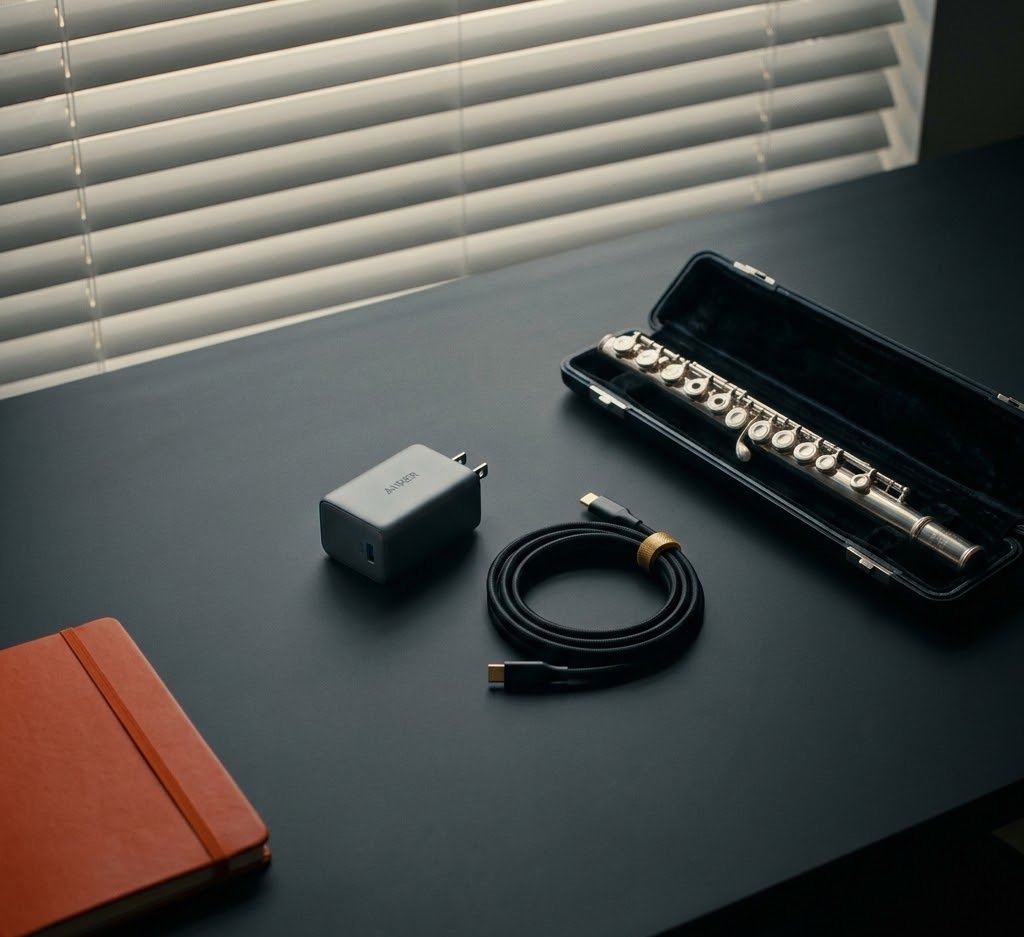
Editor’s Note: This article contains affiliate links. As an Amazon Associate, I earn from qualifying purchases. In the pursuit of a high-performance lifestyle, the tools we choose must bridge the gap between technical reliability and personal growth. Today’s “Select” features focus on two essential pillars of the modern professional’s life: the power infrastructure that keeps us connected and the creative outlets that inspire us. The Power Foundation: Anker Prime 100W GaN Charger For the executive who refuses to be tethered to a wall, the Anker Prime 100W Charger represents the pinnacle of charging engineering. Utilizing Gallium Nitride (GaN) technology, Anker has managed to pack 100W of power—enough to fast-charge a MacBook Pro—into a silhouette that is significantly more compact than traditional laptop bricks. Simultaneous Intelligence: With two USB-C ports and one USB-A port, it intelligently distributes power across three devices, ensuring your iPhone 16/17 and iPad are powered alongside your laptop. Engineered for Travel: The foldable prongs and drop-proof structure make it a permanent fixture in the sophisticated travel tech edit. Stability First: Redesigned thicker prongs ensure the charger remains firmly seated in hotel or airport outlets, solving the common “loose connection” frustration. Get the Anker Prime on Amazon Here: https://amzn.to/4niuqg7 (Paid Link) The 10FT Lifeline: Anker 100W Nylon USB-C to USB-C Cable Power is only as reliable as the conduit that carries it. To complement the Prime Charger, we selected the Anker 100W Nylon Cable. At 10 feet in length, this cable offers the spatial freedom required in dynamic workspaces—from airport lounges to home office setups. Rugged Longevity: Encased in a hard-wearing nylon exterior, this cable is rated for a 12,000-bend lifespan. It is designed to withstand the rigors of a “work-to-weekend” lifestyle without fraying or failing. Maximum Velocity: Fully supports the 100W Power Delivery (PD) threshold, making it the ideal partner for high-output hardware. The Tangle-Free Luxury: Includes a high-quality hook-and-loop tie, ensuring your “Quiet Luxury” aesthetic extends to your cable management. Get the Anker 100W Cable on Amazon Here: https://amzn.to/4tXaQIO (Paid Link) The Creative Pursuit: BQKOZFIN Closed Hole C Flute True high performance requires a “Sunday Reset”—a time to step away from the digital frontier and engage in the discipline of the arts. The BQKOZFIN 16-Key Nickel Plated Flute is an exquisite choice for the adult learner or the returning student looking to reintegrate music into their routine. Exceptional Response: This C Flute is praised for its bright, balanced tone and ease of play. The E-mechanism and offset G-key are specifically designed to aid ergonomics, making it accessible for those just beginning their musical journey. Complete Curated Set: The instrument arrives in a lightweight, durable hard case, accompanied by a cleaning rod, cloth, and gloves—ensuring your investment is maintained with professional care from day one. Versatile Elegance: Whether for classical practice or a weekend jazz session, its nickel-plated finish provides a high-class feel that complements a sophisticated home sanctuary. Get the BQKOZFIN Flute on Amazon Here: https://amzn.to/4tlmtZ2 (Paid Link)

Sterile-Pads.jpg

5min3290
Editor’s Note: This article contains affiliate links. As an Amazon Associate, I earn from qualifying purchases. In a high-performance life, excellence is the result of two factors: a strategic vision for the future and a disciplined system for maintenance. Whether you are building an economic legacy or managing the physical recovery required to sustain that effort, the tools you select define your trajectory. This curation focuses on six high-capacity assets—from socio-economic frameworks to professional-grade medical supplies—designed for those who value precision and results. The Blueprint: Strategic Economic Empowerment True leadership requires a departure from traditional thinking. To build a future of group self-sufficiency, one must adopt a mindset grounded in data and tactical behavior. PowerNomics: The National Plan to Empower Black America Dr. Claud Anderson’s seminal work is not merely a book; it is a five-year strategic roadmap. It obliterates common illusions of progress, replacing them with a framework for Education, Economics, Politics, and Religion. For the professional committed to long-term empowerment, this is the essential guide for breaking racial monopolies. Get it on Amazon Here: https://amzn.to/4czdq1v (Paid Link) Precision Recovery: Professional Wound Care Systems Physical resilience is a requirement for executive longevity. When managing recovery, the quality of your medical assets determines the speed and comfort of your return to peak performance. McKesson Non-Adherent Pads (1200 Count) For high-surface-area protection without the trauma of traditional bandages, these 2×3 inch pads provide a sterile, non-stick barrier. Engineered for painless removal, they ensure that healing tissue remains undisturbed during dressing changes. Get it on Amazon Here: https://amzn.to/4tuM8zf  (Paid Link)  Conkote Calcium Alginate Wound Dressing For wounds requiring superior moisture management, these 4” x 4” pads utilize natural seaweed fibers to create a protective gel upon contact. This is a bio-active tool for high-impact recovery, offering clinical-grade absorption. Get it on Amazon Here: https://amzn.to/420mMgH (Paid Link)  Systagenix Adaptic Non-Adhering Dressing The Adaptic 3″ x 3″ dressing is a specialized primary layer made of knitted cellulose acetate. It is specifically designed to protect the wound site while preventing the dressing from sticking to the wound bed, a “gold standard” for delicate recovery. Get it on Amazon Here: https://amzn.to/48qkfjt (Paid Link)  McKesson Sterile Cotton Tipped Applicators Precision is vital in wound maintenance. These 6-inch sterile applicators with wooden shafts allow for the hygienic application of ointments or the targeted cleaning of wounds, ensuring your home kit meets professional standards. Get it on Amazon Here: https://amzn.to/3QwIgiJ (Paid Link) The Daily Protocol: Optimizing Medication Management Consistency is the silent engine of health. Without a system for daily maintenance, even the best wellness plans fail. EZY DOSE Weekly AM/PM Pill Organizer Designed for the active professional, this organizer features large, pop-out compartments that simplify a twice-a-day dosing schedule. The travel-friendly design ensures that your nutritional and medicinal protocols remain uninterrupted. Get it on Amazon Here: https://amzn.to/48nXjBx (Paid Link) The Selection Verdict From the macro-strategies of PowerNomics to the micro-precision of clinical wound care, these six assets represent a commitment to high-standard maintenance. By integrating professional-grade tools into your routine, you ensure that your “hardware”—both your business and your body—is built for endurance.

Untitled.jpg

6min6770
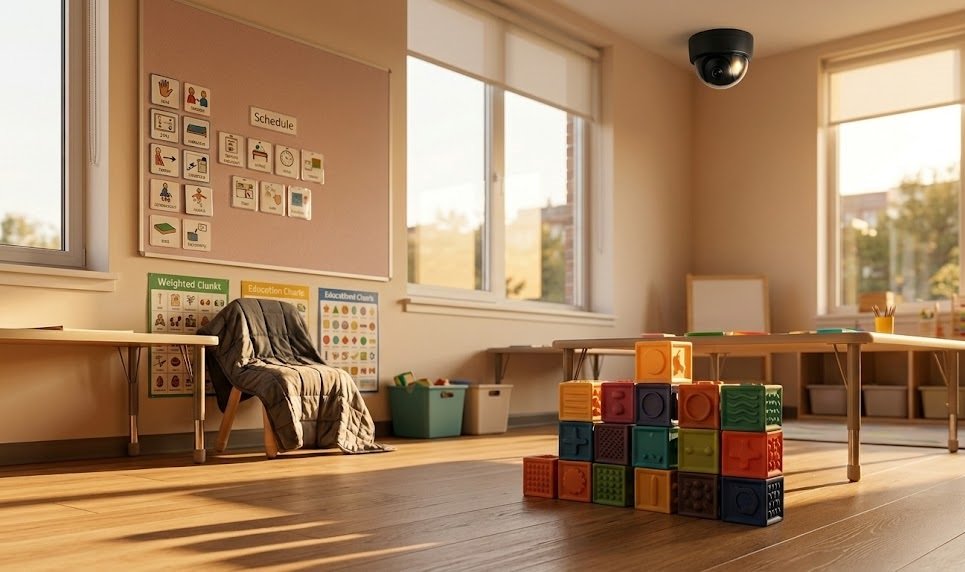
In a period defined by the aggressive removal of personal technology from schools, a countertrend is emerging: the mandated installation of surveillance cameras. Legislators in Florida, Iowa, Maryland, South Carolina, and Tennessee have introduced bills this year to place video monitoring in “self-contained” special education classrooms. These proposals aim to protect students who may be non-verbal or have significant disabilities from improper physical restraints, seclusion, or abuse. While the movement is driven by a desire for accountability and the protection of vulnerable learners, it has ignited a complex debate over privacy, professional trust, and the root causes of classroom safety issues. As more states—including Louisiana and West Virginia—move from optional to mandatory surveillance, the education sector faces a pivotal moment in balancing student safety with the ethical implications of constant monitoring. Why This Matters School Leaders and Educators For administrators, the introduction of cameras represents a dual-edged sword. While footage provides a clear “eyewitness” to resolve disputes and protect staff from false accusations, it also introduces significant logistical burdens. Leaders must navigate the complexities of the Family Educational Rights and Privacy Act (FERPA) and manage the storage and review of sensitive data. For educators, the presence of cameras can feel like a vote of no confidence, potentially impacting morale in a field already suffering from acute labor shortages. Households and Individuals For parents of children with special needs, cameras are often viewed as an essential safeguard. Because many students in these settings cannot communicate what happens during the school day, video provides a voice for the voiceless. It offers peace of mind that any incident involving physical restraint or “seclusion rooms” will be documented, ensuring that “no one can say someone got it wrong.” Students and Academics The primary concern for advocates is the “othering” of students with disabilities. Monitoring only special education classrooms suggests that these environments are inherently more dangerous or less trustworthy than general education settings. There is also the unresolved question of how constant surveillance affects the psychological development and behavioral outcomes of students who are already navigating complex sensory and emotional challenges. Implications and Emerging Signals The push for surveillance reflects a broader shift in educational governance—moving away from trust-based professional autonomy toward data-driven accountability. Technology as a Proxy for Training: Experts suggest that the reliance on cameras may be a “red herring” that allows districts to “check a box” on safety without addressing the underlying need for intensive de-escalation training and better staffing ratios. The Privacy-Accountability Paradox: As cameras become cheaper and more ubiquitous, the threshold for “invasive” technology is lowering. We are seeing a trend where parental rights to transparency are increasingly prioritized over the traditional privacy expectations of the workplace. Legal and Regulatory Standardization: With most states referencing FERPA, we may see a push for updated federal guidelines that specifically address video data in special education, as current 1974 standards did not anticipate the “technology age” of 2026. Workforce Impact: While some argue cameras deter teachers, the deeper signal is a “leaky bucket” pipeline. If cameras are perceived as a tool for “survival” rather than support, they may exacerbate the teacher shortage in the 45 states currently reporting deficits in special education. Key Takeaways Expect Increased Legislative Momentum: Following the lead of Texas and Louisiana, expect more states to move from “parental request” models to mandatory “all-room” surveillance in self-contained units. Prioritize Professional Development: Cameras record incidents but do not prevent them. School leaders should view surveillance as a secondary tool to comprehensive de-escalation and behavioral support training. Audit Privacy Protocols: Districts must establish rigorous protocols for who can view footage and under what circumstances, ensuring compliance with FERPA to avoid litigation. Focus on Culture Over Hardware: Long-term safety is a product of school culture, trust, and community. Surveillance should not be used as a substitute for the “hard work” of cultivating inclusive environments. Monitor Data Gaps: There is currently a lack of empirical evidence proving that cameras reduce the intensity of incidents. Stakeholders should demand better data collection to determine if these investments actually improve student outcomes. This reflects a broader shift toward the “securitization” of the classroom, where digital oversight is increasingly viewed as the only objective arbiter of truth in public institutions.

Tech & Tools Desk2 April 2026
Phone-PEN-1280x737.png

4min9010
Editor’s Note: This article contains affiliate links. As an Amazon Associate, I earn from qualifying purchases. In the ecosystem of high-performance mobile computing, the Samsung Galaxy S25 Ultra stands as the definitive tool for the modern professional. However, the true power of the Ultra series lies in its precision interface: the S Pen. For the executive who relies on handwritten annotations, digital signatures, and precise photo editing, the loss of a stylus is a significant operational bottleneck. The S25 Ultra S Pen Replacement (EJ-PS938BBEGUJ) is the high-fidelity solution for maintaining your professional momentum. Get it on Amazon Here: https://amzn.to/4sMMtwN (Paid Link)   The Non-Bluetooth Strategy: Reliable Precision While the Bluetooth “Air Actions” are a secondary luxury, the core value of the S Pen is its 4,096 levels of pressure sensitivity and zero-latency writing experience. This specific replacement model focuses on the technical fundamentals that drive daily productivity. OEM-Spec Integration: Designed specifically for the S25 Ultra 5G, this stylus fits seamlessly into the dedicated internal silo. It maintains the device’s streamlined profile while ensuring it is always within reach. Tactile Fluidity: Featuring a fine 0.7mm tip, the pen mimics the resistance of ink on paper. Whether you are sketching out a new business model or marking up a PDF contract, the response is instantaneous and natural. Passive Power: By utilizing a non-Bluetooth architecture, this pen requires no internal charging for its primary functions. It is “Always-On,” ensuring that you can capture a brilliant idea the moment it strikes, without worrying about the stylus’s battery level. The “Dual-Pen” Protocol: Why Every Professional Needs a Backup In a high-stakes environment, redundancy is a sign of preparation. The Edupreneur Select philosophy suggests that critical tools should always have a verified backup. Digital Continuity: Losing your primary pen during a business trip can stall your workflow for days. Having a replacement indexed and ready—either in your travel kit or your desk drawer—is a low-cost, high-impact insurance policy. Groomed Appearance: Over time, stylus tips can wear down, affecting the aesthetic of your digital handwriting. Replacing your S Pen ensures your inputs remain sharp, clean, and professional. Optimized for S25 Ultra 5G: Unlike generic third-party styluses, the EJ-PS938BBEGUJ is engineered to interact perfectly with the S25’s digitized layer, preventing screen scratches and ensuring long-term screen health. The Selection Verdict The Galaxy S25 Ultra S Pen is more than a plastic stick; it is the bridge between your thoughts and your digital canvas. Investing in a high-quality replacement or backup is a strategic move for any Ultra user who treats their smartphone as a primary workstation. It is about removing friction and ensuring your tools are as reliable as your vision. Get it on Amazon Here: https://amzn.to/4sMMtwN (Paid Link)

Tech & Tools Desk2 April 2026
Ear-Buds-1280x740.png

4min4570
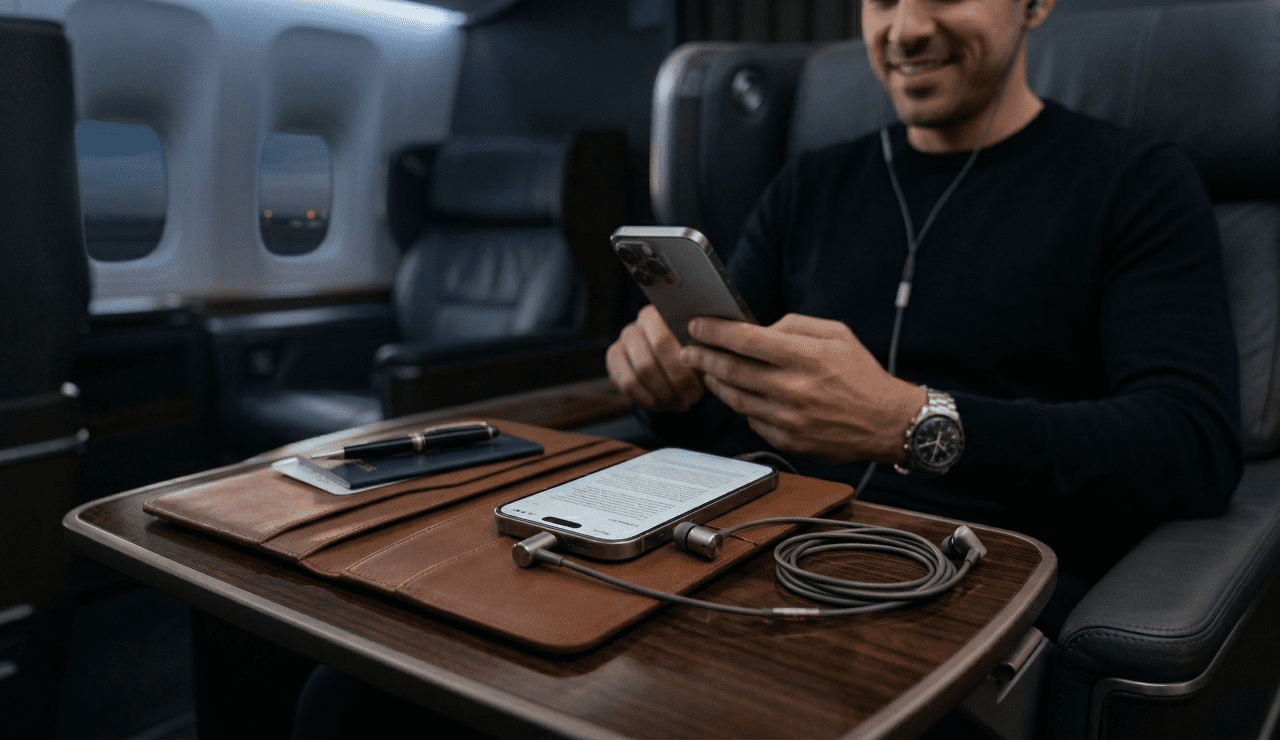
Editor’s Note: This article contains affiliate links. As an Amazon Associate, I earn from qualifying purchases. In a professional landscape dominated by wireless convenience, the “Zero-Latency” wired connection remains the elite choice for high-stakes communication. Whether you are leading a global board meeting on an iPhone 17 Pro or navigating a complex workflow on the Galaxy S26 Ultra, battery failure and Bluetooth lag are risks you cannot afford. These USB-C Headphones are engineered as a high-performance audio asset for the uncompromising professional. Get them on Amazon Here: https://amzn.to/4sKOUQz (Paid Link)   Acoustic Engineering: Precision and Isolation The 2026 standard for mobile audio requires more than just sound; it requires environmental control. These earbuds are designed to provide a studio-grade experience in any setting. Noise Isolation Architecture: Unlike standard open-ear designs, these earbuds utilize a passive noise-isolation fit. This physical barrier significantly reduces ambient office noise and cabin hum during travel, allowing for total focus. Integrated High-Def Microphone: Optimized for voice clarity, the in-line microphone features advanced shielding to ensure your voice remains crisp and authoritative during calls, regardless of external interference. Universal USB-C Compatibility: Built with a premium DAC (Digital-to-Analog Converter) chip, these earphones provide seamless “Plug-and-Play” functionality across the latest flagship devices, including the iPhone 15/16/17 series, Pixel 9, and the Galaxy S26 range. Strategic Reliability: The “Always-On” Workflow For the Edupreneur Select reader, tools must be as resilient as they are functional. Wired audio offers a level of reliability that wireless alternatives simply cannot match. Zero-Battery Anxiety: As a direct-draw peripheral, these headphones are powered by your device. They are the essential “back-up” that never needs a charge, making them the perfect companion for long-haul flights or back-to-back consulting sessions. Tangle-Resistant Durability: Constructed with reinforced cabling, these earbuds are designed to be coiled and stored repeatedly without internal wire fatigue—essential for the professional who is constantly in transit. Ergonomic Command: The tactile in-line controls allow you to manage volume, skip tracks, and answer calls without ever touching your device, maintaining a streamlined and efficient workflow. The Selection Verdict These USB-C headphones represent a commitment to operational consistency. While others struggle with pairing issues and charging cases, the wired professional is already connected and focused. It is a minimalist, high-utility tool that ensures your audio presence is as professional as your output. Get them on Amazon Here: https://amzn.to/4sKOUQz (Paid Link)

Home & Living Desk28 March 2026
Baja-Avocado-1280x740.png

3min5000
Editor’s Note: This article contains affiliate links. As an Amazon Associate, I earn from qualifying purchases. In the world of high-performance living, the most effective systems are those that simplify the complex. We often optimize our digital workflows, but true peak performance starts with the literal fuel we put in our bodies. The Baja Precious 100% Pure Avocado Oil (1-Gallon Jug) is more than a kitchen staple. It is a multi-purpose tool that bridges the gap between culinary precision and a sophisticated wellness routine. Culinary Logic: High Stability for High Performance If you are investing in premium ingredients, you cannot afford to compromise them with unstable oils. Avocado oil is the overachiever of the pantry. Extreme Thermal Stability: With a smoke point of 271°C (520°F), this oil remains chemically stable where others break down. Whether you are searing protein after a late meeting or preparing meals for the week, you ensure your nutrition remains clean. Neutral Palette: It carries a buttery, near-personal profile. It does not compete with your food. It is the silent partner in your kitchen. Wellness Logic: The Biological Hack for Your Sunday Reset In 2026, luxury is about purity and potency. We have moved past the era of ten different chemical-laden bottles for skin and hair. Topical Efficiency: Rich in Vitamin E and monounsaturated fats, this food-grade oil doubles as a professional treatment for skin and hair longevity. The Routine: Incorporate it into your Sunday Reset as a deep-conditioning mask or a base for a minimalist skincare regimen. It absorbs deeply without the greasy residue of lower-quality oils. Economic Logic: The Power of the Gallon As a businessman, you understand that buying small is a tax on your time and your margins. Frictionless Living: A heavy-duty jug eliminates the constant out of stock annoyance. It is a set-it-and-forget-it inventory move for your home. Scalability: One jug replaces your cooking oil, your carrier oil for essential oils, and your hair serum. It is the ultimate minimalist system in a bottle. The Selection Verdict The Baja Precious Avocado Oil is for the individual who values substance over branding. It is hexane-free, expeller-pressed, and ruthlessly efficient. In an age of over-complicated wellness marketing, this is a return to what works. Get the Baja Precious 100% Pure Avocado Oil (1 Gallon) on Amazon Here: https://amzn.to/4szwr9v (Paid Link)

Canada-Cover-2.jpg

12min7010
For fifteen years, the morning soundscape of a North American high school was defined by a chaotic, high-decibel social ritual. Today, that noise has been replaced by what educators call a “strange sort of silence.” Even in a room full of students, heads are down, tethered to smartphone screens. This isn’t just a shift in behavior; it is a profound transformation of the Canadian educational environment from a community hub into a collection of isolated digital silos. In districts from North Vancouver to Halifax, teachers are observing that loneliness is rarely loud; it is a quiet, persistent barrier to learning. New longitudinal data from Harvard’s Making Caring Common project confirms that this “silent loneliness” was widespread even before the pandemic and has since become the primary obstacle to student health and happiness—outranking even income or physical exercise as a predictor of long-term well-being. Why This Matters School Leaders and Educators In the Canadian context, where provincial curricula increasingly emphasize “Social-Emotional Learning” (SEL), loneliness is a “silent tax” on academic performance. When students sit in digital isolation, their capacity for cognitive load decreases. For administrators, the implication is clear: community is no longer a “soft skill” or an extracurricular add-on. It is “medicine.” Strategic investment must move toward relational pedagogy—the intentional engineering of social interactions to break the digital trance. Households and Individuals The transition to secondary school is a period of high social risk. Canadian parents often assume that if a child is “connected” via social media, they are socially satisfied. The reality is that many students, including those who appear gregarious, “don’t know where to start” when it comes to face-to-face connection. Households must recognize that the “silence” reported in schools is a signal that students need modeled, low-stakes opportunities to practice human interaction in the physical world. Entrepreneurs and Business Leaders The “loneliness economy” poses a direct threat to the future Canadian workforce. Collaboration, empathy, and the ability to navigate diverse perspectives are the “human-centric” skills that AI cannot replicate. If the “classroom-as-community” fails, the pipeline of emotionally intelligent, collaborative professionals thins. There is a significant opportunity for Canadian EdTech innovators to move away from “solo-user” platforms toward tools that facilitate “stewardship” and collective contribution. Implications and Emerging Signals The move from “classrooms to communities” signals a shift in how we value the school day in Canada: The Rise of the “Classroom Host”: Educators are moving away from being “sages on the stage” to becoming “social architects.” This involves active facilitation—connecting students based on shared interests rather than leaving social bonds to chance. Service-Based Belonging: Canadian schools are finding success in assigning daily roles that create “stewardship.” When a student is responsible for a task—even something as simple as taking attendance or managing equipment—they transition from a passive consumer to a needed contributor. Strategic Physical Re-shuffling: Frequent seating changes (every two months) are becoming a necessity to disrupt fixed social cliques and lower the “social risk” of meeting new peers. Key Takeaways Interrupt the “Digital Trance”: Use intentional rituals (like a “word of the day” or visual check-ins) to break the smartphone silence the moment class begins. Don’t wait for students to look up; give them a social reason to do so. Facilitate “Low-Stakes” Vulnerability: Use play-based learning and non-evaluative projects (like community art or shared cooking) to let students show their unique “quirks” without the pressure of academic judgment. Model Social Connectivity: Actively play the role of a “connector.” If two students share a hobby or a favorite local haunt, name it publicly to give them a built-in conversation starter. Prioritize Contribution over Attendance: Assign tangible roles to every student. Feeling “needed” is the most direct antidote to feeling “lonely.” Normalize Change: Predictable, frequent seating rotations lower the stakes of sitting next to someone new, preventing the “awkwardness” that often keeps students isolated. This reflects a broader shift toward treating the Canadian classroom as a social sanctuary. In an era of digital immersion, the most radical thing a school can do is teach a student how to be seen by—and how to truly see—the person sitting next to them. For fifteen years, the morning soundscape of a North American high school was defined by a chaotic, high-decibel social ritual. Today, that noise has been replaced by what educators call a “strange sort of silence.” Even in a room full of students, heads are down, tethered to smartphone screens. This isn’t just a shift in behavior; it is a profound transformation of the Canadian educational environment from a community hub into a collection of isolated digital silos. In districts from North Vancouver to Halifax, teachers are observing that loneliness is rarely loud; it is a quiet, persistent barrier to learning. New longitudinal data from Harvard’s Making Caring Common project confirms that this “silent loneliness” was widespread even before the pandemic and has since become the primary obstacle to student health and happiness—outranking even income or physical exercise as a predictor of long-term well-being. Why This Matters School Leaders and Educators In the Canadian context, where provincial curricula increasingly emphasize “Social-Emotional Learning” (SEL), loneliness is a “silent tax” on academic performance. When students sit in digital isolation, their capacity for cognitive load decreases. For administrators, the implication is clear: community is no longer a “soft skill” or an extracurricular add-on. It is “medicine.” Strategic investment must move toward relational pedagogy—the intentional engineering of social interactions to break the digital trance. Households and Individuals The transition to secondary school is a period of high social risk. Canadian parents often assume that if a child is “connected” via social media, they are socially satisfied. The reality is that many students, including those who appear gregarious, “don’t know where to start” when it comes to face-to-face connection. Households must recognize that the “silence” reported in schools is a signal that students need modeled, low-stakes opportunities to practice human interaction in the physical world. Entrepreneurs and Business Leaders The “loneliness economy” poses a direct threat to the future Canadian workforce. Collaboration, empathy,


US-Kindergatten-Cover.jpg

6min5160
In the United States, the decision of when to start a child in kindergarten has shifted from a simple age milestone to a strategic maneuver. Known as “redshirting”—a term borrowed from collegiate sports where athletes sit out a year to mature—the practice involves delaying a child’s entry until age six. While social media and high-pressure school districts often frame this as an essential “gift of time,” a landmark 2026 study from the research firm NWEA suggests the benefits are far more fleeting than many parents realize. Despite a small spike during the pandemic, redshirting remains a niche choice, practiced by only about 5% of US families. As states across the country—including Connecticut, Ohio, and Colorado—begin mandating earlier birthdate cut-offs, the debate over “readiness” versus “regulations” is reaching a critical inflection point. Why This Matters Households and Individuals For American parents, the redshirting dilemma is often a choice between perceived academic competitive advantage and immediate financial reality. The NWEA report highlights that a “hold-back year” can cost a family upwards of $15,000 in additional childcare or private preschool expenses. Furthermore, while redshirted children often enjoy a boost in confidence as the oldest in their class, they face long-term risks: they are statistically more likely to drop out of high school because they reach the age of 18 during their junior year. School Leaders and Educators The US educational landscape is currently seeing a wave of “forced redshirting” through legislative changes. States like Connecticut recently moved their cut-off from January 1 to September 1, while Ohio has standardized cut-offs to the first day of school. For administrators, these shifts create logistical hurdles, such as managing “bubble” classes and navigating a 6% drop in disability identification among delayed-entry students. Educators warn that starting late can sometimes delay the diagnosis of developmental needs that would otherwise be caught through early intervention services. Entrepreneurs and Business Leaders The childcare and private “bridge” preschool market is directly influenced by these trends. In affluent US districts, redshirting has created an “academic arms race,” driving demand for high-end “Transitional Kindergarten” (TK) programs. Conversely, in rural and lower-income areas, the 2021-2022 school year saw a jump in redshirting (up to 9% in rural zones), signaling a shift in how these communities utilize local, often less formal, childcare networks to manage school readiness. Implications and Emerging Signals The current state of kindergarten entry reveals several shifting patterns in the US: Standardization of Cut-offs: A growing number of states are moving toward an August or September 1 cut-off to align with the start of the school year, reducing the “January 1” outliers that previously allowed four-year-olds into classrooms. The “Third-Grade Catch-Up”: NWEA data confirms that by the third grade, “on-time” entrants have completely closed the achievement gap with their redshirted peers in math and reading, rendering the initial advantage obsolete. Gender and Racial Disparity: Redshirting remains a “luxury item” predominantly utilized by white families and for boys. Research indicates this practice can inadvertently widen the racial-ethnic achievement gap, as it provides no statistically significant benefit for Hispanic students while offering a 4% boost in “gifted” identification for white students. Key Takeaways Evaluate the “Third-Grade Reset”: Recognize that the 20% to 30% learning advantage seen in redshirted kindergartners is temporary and usually disappears by age nine. Audit Childcare Costs: Before choosing to redshirt, families should perform a cost-benefit analysis of the $12,000–$15,000 expense of an extra year of preschool against the likely short-term academic gains. Prioritize Early Screening: Rather than delaying entry for a “late bloomer,” utilize the public school system’s mandated screening resources to identify and address potential learning disabilities early. Monitor State Cut-off Changes: Parents in states like Ohio and Connecticut should check for new “assessment” or “waiver” processes if their child falls just past new, earlier cut-off dates. Long-term Graduation Risk: Consider the social impact of a child being 19 at high school graduation, which can lead to late-stage disengagement or early entry into the workforce at the cost of higher education. This reflects a broader shift toward a “standardized readiness” model in the US, where the focus is moving away from parental discretion and toward data-driven entry dates and early intervention.

Home & Living Desk27 March 2026
EXPRESSO-MAIN-1280x759.png

4min4150
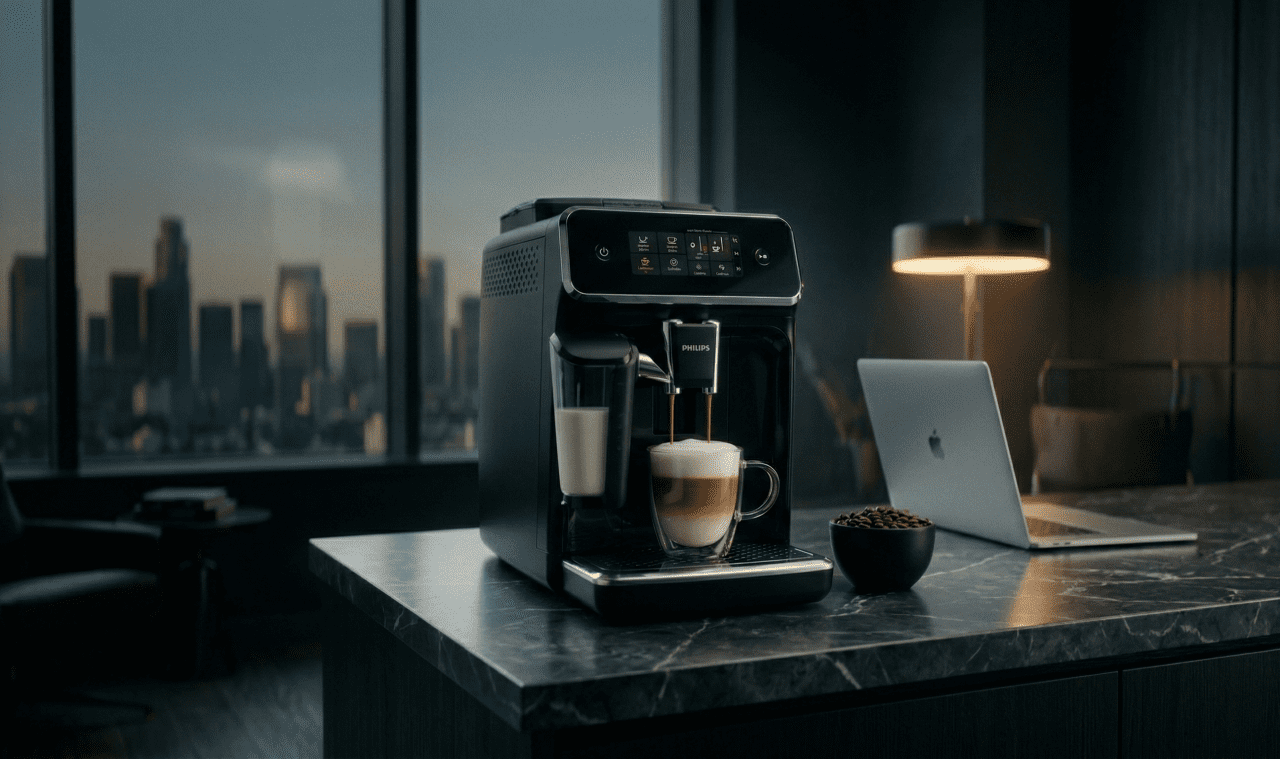
Editor’s Note: This article contains affiliate links. As an Amazon Associate, I earn from qualifying purchases. In the 2026 professional landscape, the quality of your morning ritual is a primary indicator of your daily output. For the Edupreneur—the school leader, the researcher, or the high-impact facilitator—energy management is a strategic necessity. Transitioning from a complex task to a state of flow requires a sensory “reset,” and nothing facilitates this transition more effectively than a precision-crafted espresso. The Philips 3300 Series Fully Automatic Espresso Machine (EP3341/50) is the technical solution for the executive suite, bringing barista-level systems into your workspace with zero-friction operation. SilentBrew Technology: Maintaining the Focused Environment In leadership, silence is a luxury. Unlike traditional espresso machines that disrupt the cognitive environment with loud grinding, the Philips 3300 features SilentBrew Technology. This patented sound-shielding system reduces noise by 40%, ensuring that your mid-morning cappuccino doesn’t compromise the “Quiet Luxury” of your office or the focus of a nearby Zoom session. It is the invisible layer of technical confidence that allows your machine to perform its duties without announcing them. The LatteGo System: High-Speed Cyclonic Precision For the modern professional, complexity is the enemy of consistency. The LatteGo Milk System is a masterpiece of simplified engineering. Tube-Free Design: By utilizing a two-part cyclonic chamber, LatteGo creates a silky-smooth milk froth—even with plant-based alternatives—without the need for internal tubes. Operational Readiness: In professional facilitation, we prioritize tools that are “Ready to Go.” The LatteGo system can be rinsed clean in just 15 seconds or placed in the dishwasher, ensuring your maintenance cycles never interfere with your meeting schedule. 6 Pre-Set Masterpieces: Versatility at Scale The EP3341/50 is pre-programmed to deliver 6 hot and iced beverages at the touch of a button. Whether you need a double-shot Espresso for a leadership summit or a refreshing Iced Coffee for a post-lecture debrief, the machine utilizes its 15-Bar Pressure and 100% Ceramic Grinders to extract the full flavor profile of your beans. With the “My Coffee Choice” menu, you can adjust aroma strength and volume to mirror your personal preferences with scientific precision. Facilitator’s Insight: The Discipline of Maintenance In leadership, we understand that longevity is a result of proactive systems. The AquaClean Filter is a strategic asset, allowing you to brew up to 5,000 cups before a full descaling cycle is required. It ensures that your water—and therefore your coffee—remains at a high standard of purity, reflecting the internal care you apply to your organizational strategy. By utilizing the Philips 3300 Series, you remove the variable of “mediocre coffee” from your daily routine. It allows you to maintain a polished, high-performance visual presence while fueling the transition toward your 2026 financial goals. The 2026 Executive Essential For our readers who demand both technical excellence and effortless sophistication in their workspace, the Philips 3300 Series LatteGo is an absolute necessity. It is the “Smart Home Cafe” system that ensures your morning fuel is as sophisticated as your strategy. Get the Philips 3300 Series LatteGo Espresso Machine on Amazon Here: https://amzn.to/47mYXmn (Paid Link)