Author: Edupreneur Editorial Team

BookBOOK.jpg

3min2320
Editor’s Note: This article features a curated selection from the Edupreneur Select Leadership Library. As an Amazon Associate, I earn from qualifying purchases. In an era where organizational structures are shifting and AI is redefining the workplace, the most dangerous thing a professional can rely on is a single job title. Abimbola Owasoyo’s latest work, After the Job: Build a Platform That Lasts, arrives as a vital guide for those ready to decouple their value from their employer and attach it to their expertise. Moving Beyond the Panic of Transition Whether you have recently left a role, are navigating a corporate reorganization, or simply feel the ground shifting under your current career, Owasoyo’s approach is refreshing. He ignores the typical “hustle culture” hype, offering instead a calm, structured methodology to help you capture your skills as usable assets. The Three Strategic Paths The core strength of the book lies in its clarity. Owasoyo identifies three realistic paths for the modern professional: Re-employment: Repositioning your narrative to land a role that fits your current season. Packaging into a Business: Productizing your process so your income isn’t tied to your hours. Translating into a Tool: Leveraging AI and no-code to turn expertise into a scalable MVP. Why It’s Essential for 2026 The book acknowledges the unique challenges of the 2026 job landscape, where displacement and opportunity often happen simultaneously. It provides a 90-day roadmap that doesn’t ask you to start from zero, but rather to compound the years of experience you already possess. Final Verdict After the Job is more than a career book; it is a framework for professional autonomy. For the “Edupreneur” or the high-output professional, it is the definitive guide to ensuring that when a title disappears, your influence remains. Check Price and Availability for ‘After the Job’ on Amazon: https://amzn.to/4tvRwkX (Paid Link)
zz-51.jpg

2min9330
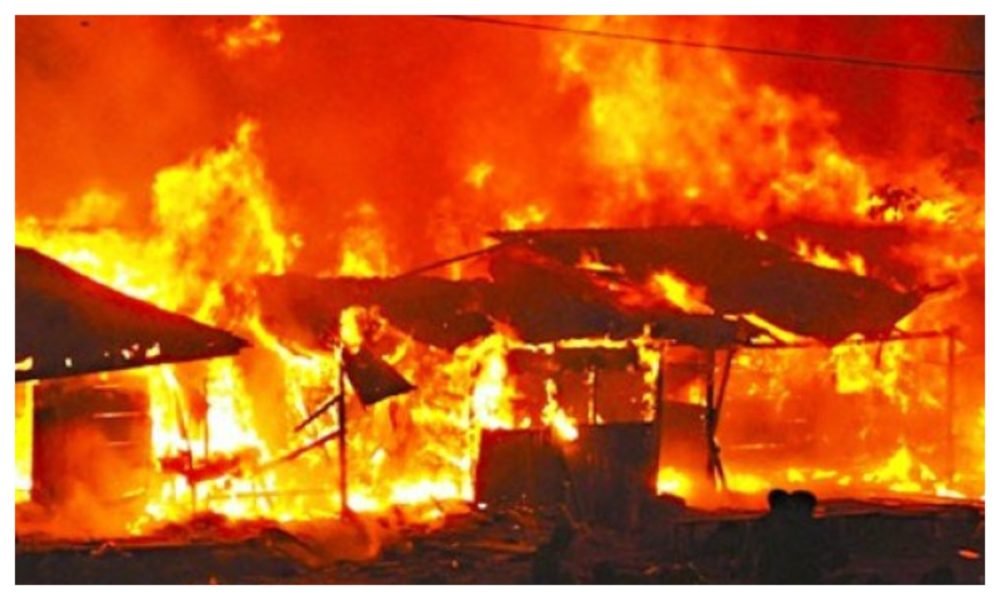
Two separate fire incidents in Dutse, Jigawa State, have resulted in the deaths of two children, while another outbreak was contained without casualties. The incidents were confirmed by the Public Relations Officer of the NSCDC, Jigawa State Command, ASC Badruddeen Tijjani, in a statement issued to journalists in the state capital on Thursday. According to the statement, the first incident occurred around 4:00 a.m. at Layin Dabinai, near Masallacin Malam Babba, where a fire engulfed rooms occupied by two children of Aminuddeen Abubakar, a staff member of the Federal University Dutse (FUD). Despite swift emergency response efforts, the intensity of the blaze made rescue impossible, and the children were burned beyond recognition and confirmed dead at the scene. The NSCDC expressed condolences to the bereaved family, urging residents to remain vigilant and adopt strict fire safety measures. In a separate incident later that day, at about 12:00 noon, another fire broke out in the same Gida Dubu area. Preliminary findings indicated that the fire was caused by an electrical spark in the kitchen of one Nura Garba. No lives were lost in the second incident, as firefighters responded promptly and brought the situation under control, preventing further destruction. However, the fire spread to nearby buildings, damaging kitchens and roofing materials. The NSCDC said investigations are ongoing to determine the causes of both incidents and to recommend preventive measures. The command also advised residents to exercise caution when handling electrical appliances and open flames, reiterating its commitment to protecting lives and property across the state. It further stressed that fire safety is a shared responsibility and called on the public to take proactive steps to prevent such tragedies.

aa.webp

6min4140
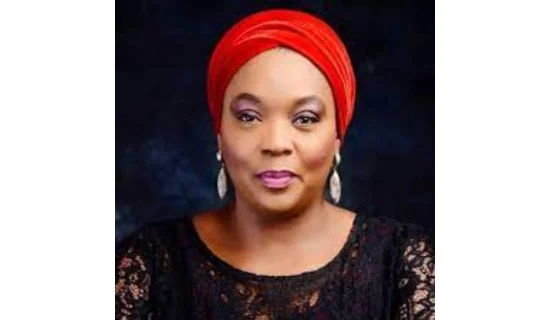
The Chair of the Board of Directors of Women Radio WFM 91.7, Toun Sonaiya, has said many Nigerian women particularly those living in rural communities face major barriers that prevent them from contributing fully to the country’s development. Sonaiya made the remarks during the second edition of Nigerian Women’s Day, organised on the sidelines of the 70th session of the United Nations Commission on the Status of Women in New York City on Thursday. The event, themed “31 Years of Progress, Resilience, Impact and Renewed Hope,” was organised by the Federal Ministry of Women Affairs and Social Development under the leadership of the Minister, Imaan Sulaiman‑Ibrahim. It brought together members of the Nigerian diaspora, diplomats, gender advocates and global leaders, including the United Nations Deputy Secretary-General, Amina Mohammed. Speaking at the gathering, Sonaiya highlighted the difficulties faced by women, children and vulnerable groups across Nigeria, particularly in rural areas. “Nigerian women, children, families and vulnerable people, especially in rural communities across the 774 local government areas, face significant challenges that limit their ability to contribute to national growth,” she said. She identified key obstacles such as poor electricity supply, limited access to finance and internet services, inadequate healthcare, restricted educational opportunities and the low representation of women in leadership positions. Sonaiya urged Nigerians both at home and abroad, as well as development partners, to support initiatives designed to empower women and strengthen communities. She noted that the ministry had launched several programmes under the Renewed Hope Social Impact Interventions 774 framework to support women and vulnerable populations nationwide. Among the initiatives is PowerHer774, which aims to expand access to clean energy for one million women and their households across Nigeria’s 774 local government areas. Another programme, Women Agro Value Expansion, is designed to support three million women involved in agriculture. Additional interventions focus on digital literacy for women and girls, child development programmes and projects aimed at improving women’s health and economic opportunities. “Your positive contribution is like a piece of a jigsaw. Bit by bit, we will build a bigger and more positive Nigeria,” Sonaiya said while calling for collaboration between stakeholders and the government. In her address, Minister Sulaiman-Ibrahim stressed the need for stronger global and domestic investments to advance women’s empowerment. “Transforming women’s lives at scale requires sustained investment, strong partnerships and coordinated action,” she said. “There is an urgent need for greater investment in women and girls, both domestically and globally. Women’s empowerment is not just a social programme it is an economic strategy, a security strategy and a development imperative.” The event also featured a fireside discussion between the minister and Mohammed on Nigeria’s gender equality objectives and the global agenda for women’s empowerment. Participants examined the challenges and opportunities facing women and girls across Africa and other regions. Panel sessions addressed topics such as Global Leadership, Peace and Security for Social Impact; Women, Institutions and the Economy; and Positive Masculinity. Speakers included the Minister of State for Labour and Productivity, Nkeiruka Onyejeocha; Chairman of the National Population Commission, Aminu Yusuf; Executive Secretary of the National Human Rights Commission, Tony Ojukwu; and Country Director of ActionAid Nigeria, Andrew Mamedu. The programme also featured cultural performances and presentations highlighting the growing role of women in leadership, innovation and social development.

zz-19.webp

2min6490
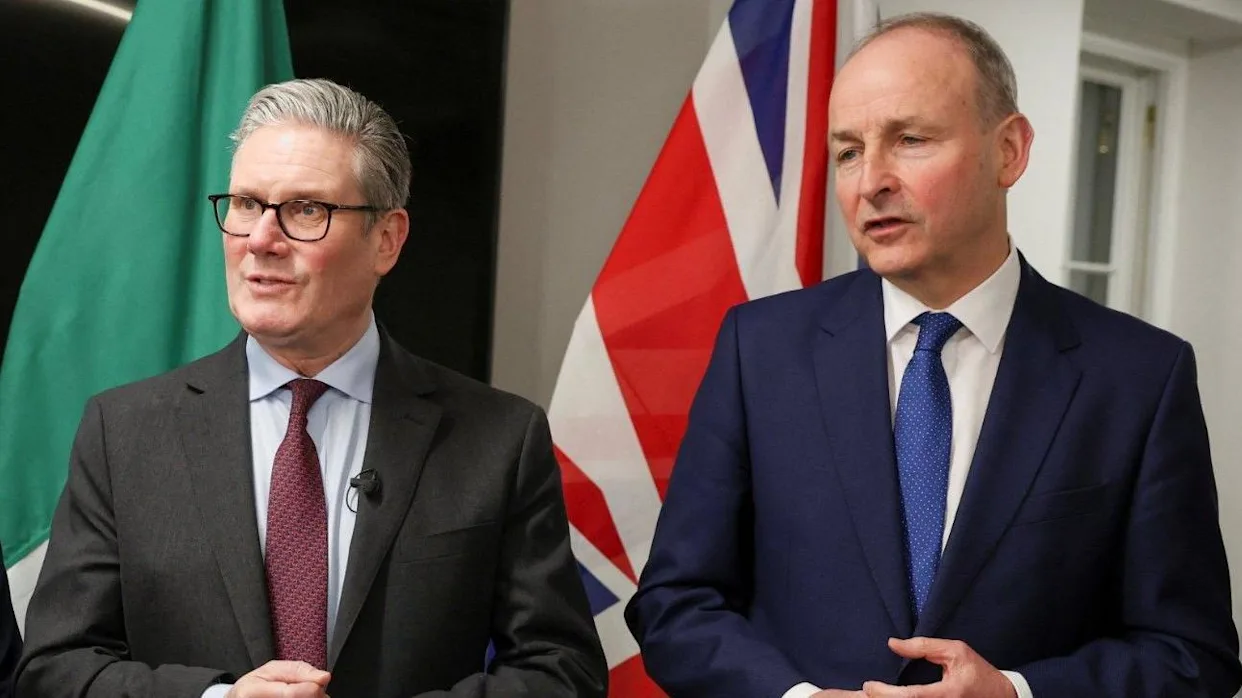
UK Prime Minister Sir Keir Starmer and Irish Taoiseach Micheál Martin are set to attend the second UK-Ireland summit in Cork on Friday, accompanied by delegations of government ministers from both countries. Key topics on the agenda include cooperation on cost-of-living pressures, domestic security, and crisis management. The summit follows Sir Keir’s announcement of £937m in Irish investment into the UK, expected to create around 850 new jobs. This includes an energy connector project between Northern Ireland and Ireland aimed at lowering electricity costs on both sides of the border. Another planned connector between Wales and Ireland is projected to provide power for 570,000 homes. “The UK’s close partnership with Ireland continues to grow, and I am pleased that we are advancing collaboration on growth, energy, security, and more,” Sir Keir said. “This new Irish investment is part of a broader picture of strong cultural, commercial, and security ties.” The first annual UK-Ireland summit was held last year in Liverpool, following an agreement to hold yearly meetings as part of a “reset” in relations between the two nations after Sir Keir became prime minister. The summit will also explore joint plans for cooperation through 2030. Ahead of traveling to Cork, Sir Keir met Northern Ireland political leaders in Belfast on Thursday to discuss the prompt allocation of funds from the Autumn Budget to assist with electricity costs. Later, he met business leaders alongside Martin, Irish Foreign Affairs Minister Helen McEntee, and UK Secretary of State for Business and Trade Peter Kyle. He also engaged with young people from the Ireland-UK youth forum advisory group to hear their perspectives. The day concluded with a cultural event at Cork City Hall, where protests were held featuring Iran and Palestinian flags.

zz-14-1280x720.webp

4min9050
The United Nations has raised concerns that women worldwide still possess only 64 per cent of the legal rights available to men, warning that gender inequality remains one of the most pressing human rights challenges globally. This was highlighted by the UN Secretary-General, António Guterres, in an opinion article released on Tuesday to commemorate International Women’s Day and Women’s Month. Guterres outlined eight key actions aimed at strengthening women’s rights, drawing from his experience and the work of UN agencies and civil society organisations around the world. According to him, discriminatory laws and systemic barriers continue to prevent millions of women from accessing equal opportunities and justice. “Worldwide, women hold only 64 per cent of the legal rights enjoyed by men. In too many places, they cannot own property, work freely, or seek a divorce,” he stated. The UN chief added that even in countries where legal protections exist, women often face greater challenges in accessing courts and legal assistance. He called on governments worldwide to eliminate discriminatory laws and ensure that women’s rights are effectively enforced. Describing gender inequality as one of the most significant global issues, Guterres noted that advancing equality would help accelerate sustainable development and promote peace. “Gender inequality is the greatest human rights challenge of our time, and advancing equality is one of the strongest drivers of sustainable development and peace,” he said. He also pointed out that women remain significantly underrepresented in political and economic decision-making structures. “Women are grossly under-represented in governments and boardrooms across the globe,” he added. Guterres further stressed the importance of investing in women and girls, noting that increased spending on girls’ education, maternal health and family support systems yields substantial economic and social benefits. He also called for stronger measures to combat gender-based violence, greater participation of women in peace negotiations, and the removal of bias in emerging technologies. The UN chief emphasised that women must play a central role in climate action, noting that they are often among those most vulnerable to climate impacts. “A liveable planet demands gender-responsive climate policies and equal participation of women in environmental decision-making,” he said. Guterres urged governments, institutions and civil society to take practical steps to accelerate gender equality, stressing that closing the gender gap is essential for global progress. “If leaders get serious about gender equality and commit to these solutions now, we will change the world for women and girls, and for us all,” he said. He warned that male-dominated institutions continue to shape global power structures and that rising authoritarianism is worsening inequalities by rolling back protections related to fair labour practices, reproductive rights and other freedoms. Guterres concluded by emphasising that gender equality benefits entire societies, noting that when power is shared, freedom and opportunities expand for everyone.

zz-29.jpg

5min5180
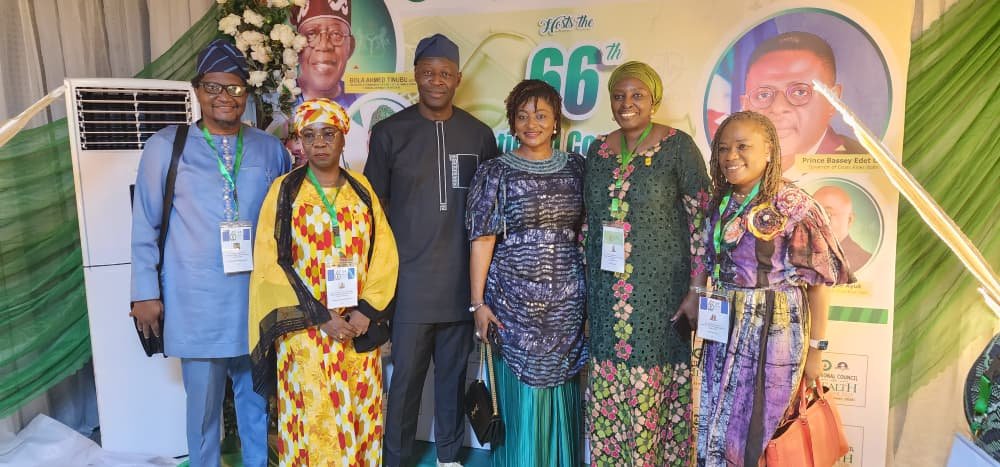
The Federal Government has emphasised that innovation and stronger collaboration between the public and private sectors are essential to achieving universal health coverage for Nigerians. This was highlighted at the 2026 Annual Conference of the Healthcare Federation of Nigeria held in Lagos, with the theme “Transforming Healthcare: Leveraging Private Sector Innovation to Achieve Quality Outcomes and Universal Health Coverage.” According to a statement issued by HFN on Sunday, the Minister of State for Health and Social Welfare, Iziaq Salako, represented by the Chief Medical Director of the Federal Medical Centre Ebute-Metta, Saheed Ogunme, said innovation and collaboration are vital to transforming Nigeria’s healthcare system. Ogunme noted that the conference theme reflects both the challenges and opportunities facing the country’s health sector, stressing that transformation requires practical action rather than theoretical plans. He pointed out that Nigeria’s population, estimated at over 220 million people, continues to place increasing pressure on the healthcare system. Despite some improvements, the country still faces major challenges, particularly in maternal and child health. According to him, Nigeria accounts for a significant share of global maternal deaths, with nearly one in five maternal fatalities worldwide occurring in the country. “These figures represent real lives mothers, children and families whose potential contributions to national development have been lost,” he said. Ogunme also highlighted the heavy financial burden many Nigerians face when seeking healthcare, noting that out-of-pocket payments still account for more than 70 per cent of total healthcare spending. He warned that millions of citizens remain vulnerable to catastrophic health expenses that can push families into poverty, stressing that urgent reforms are needed. Between 2026 and 2030, he said the Federal Government plans to prioritise improving healthcare quality, strengthening emergency medical services, expanding health insurance coverage and promoting deeper public–private partnerships. He added that the government is also working to boost local pharmaceutical production through the Presidential Initiative for Unlocking the Healthcare Value Chain, which aims to reduce the country’s reliance on imported medicines and expand domestic manufacturing by 2030. Speaking at the conference, the Lagos State Commissioner for Health, Akin Abayomi, said the state is positioning itself as a regional healthcare hub for Nigeria and the wider West African region. He noted that growing interest from medical professionals abroad suggests increasing confidence in Lagos’ healthcare sector. According to him, many healthcare experts are exploring opportunities to return to Nigeria and participate in the sector’s growth, with several inquiries coming from professionals seeking ways to contribute to developments in Lagos. However, Abayomi acknowledged that the state faces a major shortage of healthcare workers. He said Lagos currently has about 7,000 doctors, far below the estimated 30,000 required to adequately meet the needs of its expanding population. Also speaking, the President of the Healthcare Federation of Nigeria, Njide Ndili, said the private sector remains committed to supporting government efforts to strengthen the country’s healthcare system through research-based investments and policy engagement. She disclosed that the federation partnered with the Nigerian Economic Summit Group to conduct a nationwide survey aimed at identifying key areas where private sector investments could support national health priorities. Ndili explained that the study provides data-driven insights that can guide both investment decisions and policy development within the sector. Meanwhile, nephrologist and healthcare entrepreneur Richardson Ajayi said weak regulation of healthcare facilities remains a major obstacle to achieving universal health coverage in Nigeria. Ajayi explained that poor regulatory oversight often undermines public trust in the healthcare system and discourages both patients and investors. He added that stronger regulatory frameworks, supported by digital infrastructure, could help improve transparency and standards across the sector. According to him, the adoption of technology-driven monitoring systems could allow hospitals to upload facility data while enabling artificial intelligence tools to support inspections and compliance checks, thereby strengthening accountability in the healthcare industry.

zz-11-1280x544.webp

6min5970
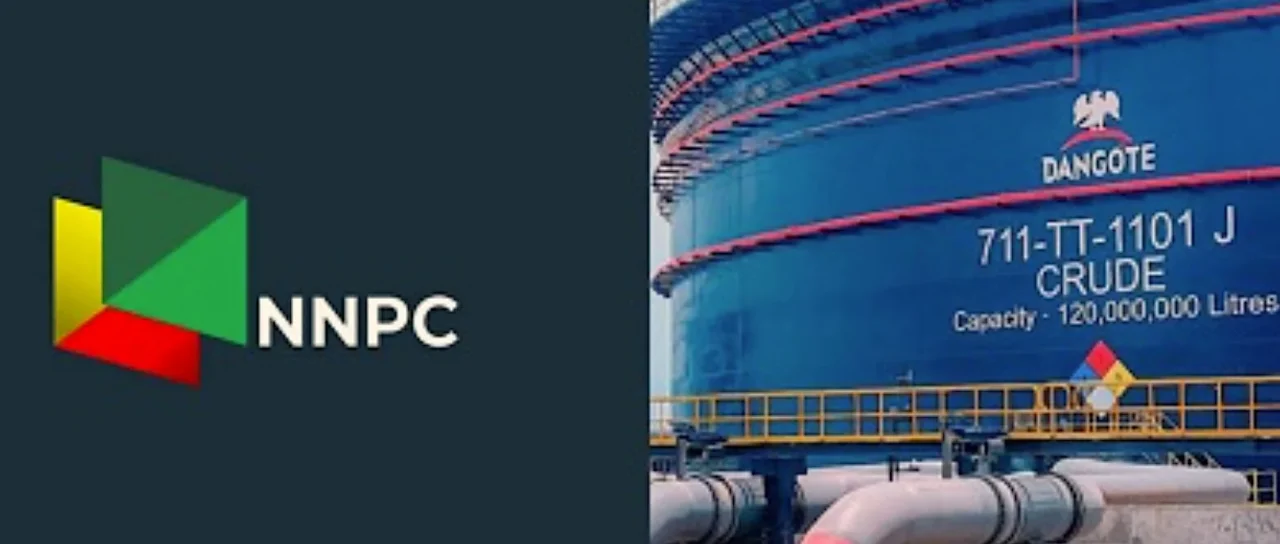
The Federal Government, through the Nigerian National Petroleum Company Limited, has begun efforts to secure crude oil for the Dangote Petroleum Refinery by sourcing supplies from third-party international traders to support domestic refining operations. However, officials noted that the move may not immediately lead to a drop in petrol prices. Nigerians are currently dealing with high fuel costs following recent price increases introduced by the $20bn Lekki-based refinery. Industry operators confirmed that the refinery recently suspended the loading of Premium Motor Spirit, a development that has sparked speculation about a possible fresh increase in fuel prices. If implemented, it would represent the third adjustment in petrol prices within a week. Gantry prices have already risen from N774 to N995 per litre, pushing pump prices above N1,000 per litre in many states. In some areas, petrol is now sold for around N1,200 per litre, adding to the financial strain on consumers. Market data also highlights changing crude sourcing patterns. Analytics firm Kpler reported that Nigeria’s crude imports from the United States climbed to 41.13 million barrels in 2025, representing a 161 per cent increase from 15.79 million barrels in 2024. Amid the rising fuel costs, motorists and businesses are preparing for potential increases in transport fares and the prices of goods. The refinery’s temporary halt in petrol loading the second in a week underscores the logistical challenges of maintaining domestic supply, especially amid volatility in global crude markets. Analysts say stable petrol prices depend largely on consistent crude supply to local refineries. One major factor affecting supply is the ongoing geopolitical tension in the Middle East, particularly the Iran–United States tensions, which has disrupted oil supply chains and pushed Brent crude prices above $92 per barrel. The situation has been worsened by tensions around the Strait of Hormuz, a crucial energy corridor through which a large share of global oil shipments passes. Industry sources said NNPC is now leveraging its international crude trading network to obtain third-party supplies for the Dangote refinery at competitive global market rates in order to sustain operations. Despite this, refinery sources indicated that sourcing crude from international markets may not immediately lower petrol prices, as the Middle East crisis is affecting global energy prices, including crude oil and liquefied natural gas. The refinery also pointed to limitations in domestic crude supply. It reportedly receives about five cargoes of crude each month from NNPC under the naira-for-crude arrangement, which is significantly lower than the 13 cargoes required to meet its production targets. As a result, it relies partly on imported crude purchased at international prices. Industry stakeholders believe that increased domestic refining capacity could help moderate petrol prices over time. However, they warn that global market conditions, import costs and supply limitations remain key factors influencing pricing. Experts also highlighted the impact of restricted import licences on market competition. According to industry observers, most marketers who applied for petrol import permits this year were not granted approval, a move aimed at encouraging local refining. Analysts say a balanced approach that allows limited imports while boosting local refining could strengthen energy security and stabilise prices. Despite the challenges, observers note that the presence of the Dangote refinery has helped prevent even sharper price increases. Without it, some analysts believe petrol prices in Nigeria could have climbed as high as N1,500 per litre amid current global energy market pressures. Recent data further shows Nigeria’s growing reliance on foreign crude for refining. In July 2025, the Dangote refinery reportedly imported about 590,000 barrels of crude per day, with around 60 per cent sourced from US light sweet crude and 40 per cent from Nigerian grades marking the first time imported crude exceeded domestic supply for the refinery. Meanwhile, figures from the Nigerian Upstream Petroleum Regulatory Commission indicate that local refiners received 67.66 million barrels of crude between January and August 2025, far below the 123.48 million barrels requested. Industry observers say this shortfall highlights the ongoing gap between refinery demand and available domestic crude supply. Petrol currently sells for between N1,030 and N1,100 per litre in major cities, forcing transport operators to increase fares and raising concerns about broader inflationary pressures across the economy. At the same time, the Dangote refinery has expanded its network of petroleum marketers and distribution partners to ensure steady product lifting nationwide. The list has grown from 13 companies to more than 30. Among the approved distributors are NIPCO Plc, MRS Oil Nigeria Plc, TotalEnergies Marketing Nigeria Plc and Conoil Plc, among others, as the refinery works to maintain supply despite ongoing market challenges

zz-10-1280x853.webp

3min4510
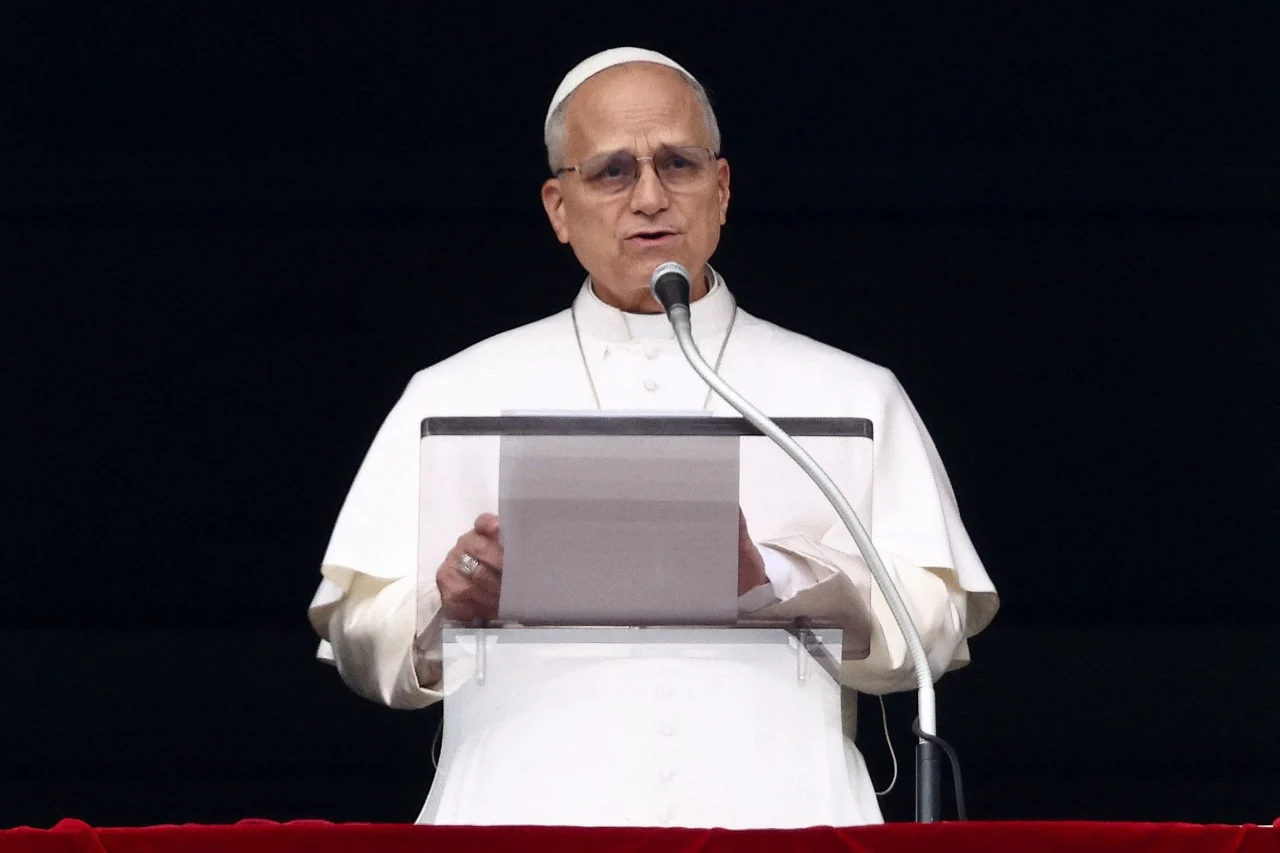
Pope Leo XIV has voiced deep concern over the escalating conflict involving Iran, warning that the violence could spread further across the Middle East and urging an immediate halt to hostilities. Speaking during the Angelus prayer at St. Peter’s Square on Sunday, the pontiff described reports emerging from Iran and the wider region as “disturbing” as the fighting entered its ninth day following U.S. and Israeli strikes on Iranian targets. According to Reuters, the pope cautioned that the crisis could destabilise more countries in the region. “Alongside episodes of violence and devastation, there is growing concern that the conflict could spread and that other countries, including Lebanon, could once again sink into instability,” he said. The pope called for urgent efforts to end the fighting and create room for peaceful dialogue. “Let us raise our humble prayer to the Lord that the roar of bombs may cease, that weapons may fall silent, and that space may be opened for dialogue in which the voices of peoples can be heard,” he added. His remarks come amid rising global concern over the military campaign carried out by the United States and Israel against Iran. Earlier in the week, the Holy See’s top diplomat also criticised the strikes, warning that such actions undermine international law and stressing that no nation has the right to launch what he described as “preventive wars.”

images-7.jpeg

2min3880
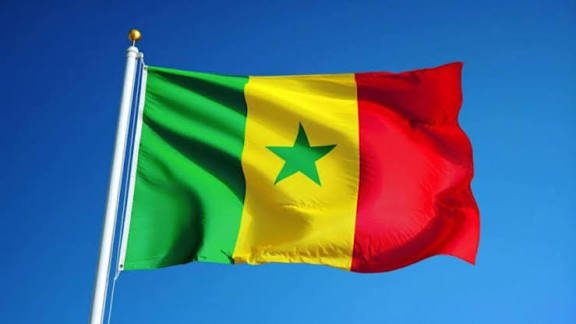
Senegal’s National Assembly is set to debate a controversial bill on Wednesday that would double the maximum penalty for same-sex relations, raising the punishment to up to 10 years in prison. The proposed legislation comes amid an intensified crackdown on alleged same-sex activities in the West African nation, with several arrests reported in recent weeks and a surge of online attacks that have drawn criticism from human rights groups. According to an official National Assembly document signed on Friday, lawmakers have been summoned to a plenary session on March 11, 2026, to review the bill. A vote is typically held on the same day as the debate. The proposal was introduced late last month by Prime Minister Ousmane Sonko and focuses on what remains a highly sensitive issue in the predominantly Muslim and deeply religious country. Earlier in February, authorities arrested about a dozen men, including two local celebrities, on accusations of committing “acts against nature,” a term commonly used in the country’s laws to describe same-sex relations. The arrests reportedly triggered further detentions almost daily, with local media estimating that at least 30 people have been taken into custody based on accusations and phone searches. Names of several detainees were also made public. Some of those arrested have faced allegations of deliberately transmitting HIV, a claim that has further intensified public debate around same-sex relations in the country. Beyond increasing prison terms for individuals convicted of same-sex relations, the bill also proposes prison sentences of three to seven years for people who advocate for LGBTQ rights.

zz-20.jpg

2min4310
A United States District Court has sentenced 34-year-old Nigerian Adepoju Babatunde Salako to six and a half years in prison for his involvement in a $5 million COVID-19 relief fraud scheme. According to a statement on the U.S. Department of Justice website, Salako, a resident of Philadelphia, Pennsylvania, received a 78-month federal prison term after pleading guilty to conspiracy to commit wire fraud and conspiracy to commit money laundering. As part of his plea agreement, Salako also admitted guilt to seven additional counts of wire fraud in the District of Alaska. The court ordered him to pay $2,581,002.50 in restitution to victims of the scheme. The statement said that Salako participated in the scheme throughout most of 2021, exploiting economic relief programs introduced during the COVID-19 pandemic. The fraud targeted the Paycheck Protection Program, the Economic Injury Disaster Loan program, and 30 state unemployment programs, resulting in losses exceeding $5 million. Salako and two accomplices used stolen identities to obtain fraudulent loans and unemployment benefits. His role involved receiving funds from victims and government agencies and laundering the proceeds, primarily to China and Nigeria, for a fee of about 25 percent. United States Attorney for the District of Colorado, Peter McNeilly, condemned the scheme, stating that Salako and his co-conspirators exploited innocent people and stole millions from American taxpayers. He emphasised that the government is committed to prosecuting fraudsters and ensuring they face severe consequences. Matthew Modafferi, Special Agent in Charge of the United States Postal Service Office of Inspector General, Northeast Area Field Office, warned that the sentence serves as a strong warning to anyone who abuses public resources for criminal activity. The case highlights the federal government’s ongoing efforts to hold accountable individuals who exploit pandemic relief programs for personal gain.