
Author: Zara Lianne

Zara Lianne20 March 2026
zz-9.avif

3min6780
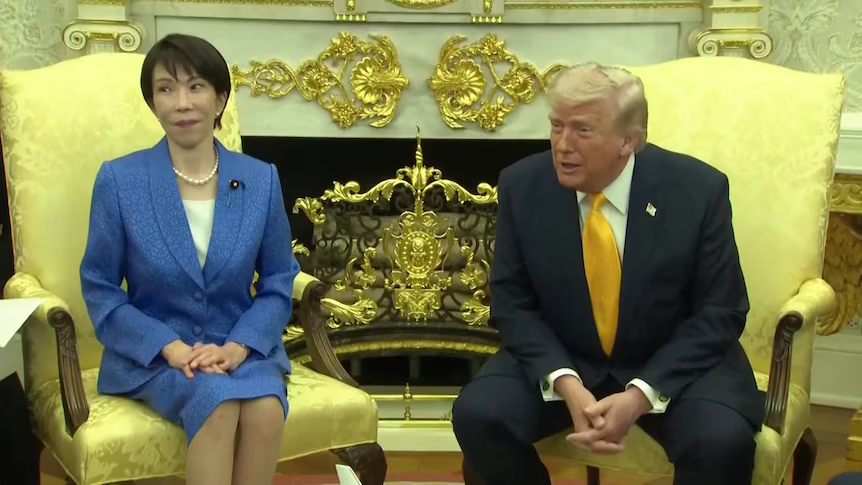
A notable moment during Japanese Prime Minister Sanae Takaichi’s official visit to the United States came when President Donald Trump referenced the historic Pearl Harbor attack in a remark that drew mixed reactions. Responding to a question from a Japanese journalist on why Washington did not inform allies ahead of its reported strike on Iran on February 28, Trump alluded to the 1941 attack on Pearl Harbor. “Who knows better about surprise than Japan? Why didn’t you tell me about Pearl Harbor?” he said, as Takaichi appeared visibly startled. The comment prompted some laughter among those present in the Oval Office, but observers noted signs of discomfort from the Japanese leader. A senior reporter from Yomiuri Shimbun, Mineko Tokito, who was present, said the Prime Minister’s reaction was evident. According to her, Takaichi’s expression changed noticeably, with her smile fading as she leaned back, seemingly taken aback by the unexpected reference. Some members of the public in Japan also reacted to the exchange. One observer described the situation as difficult for the Prime Minister to navigate, while another said the remark evoked unease given the historical significance of the event. The attack on Pearl Harbor on December 7, 1941, saw Japanese forces launch a surprise assault on a US naval base in Hawaii, killing more than 2,300 American military personnel and dozens of civilians. The incident led to the United States entering World War II. The conflict later culminated in the US dropping atomic bombs on Hiroshima and Nagasaki in August 1945, resulting in massive casualties before Japan’s eventual surrender. Despite this history, both countries have since built a strong alliance, often emphasising reconciliation over past conflict. In recent years, leaders from both sides have made symbolic visits to sites linked to the war, underscoring efforts to strengthen ties. Ahead of the visit, Takaichi had expressed concerns that discussions in Washington might be challenging, particularly over tensions surrounding the Strait of Hormuz following recent developments involving Iran. However, during the meeting, Trump described the relationship between both countries as friendly and commended Japan’s willingness to contribute to efforts aimed at ensuring safe passage through the strategic waterway. The Strait of Hormuz remains a critical global oil route, with about 20 per cent of the world’s oil supply passing through it, and recent disruptions have contributed to rising energy prices.


Zara Lianne20 March 2026
zz-8-1280x853.avif

2min2630
Ukrainian President Volodymyr Zelenskiy has reiterated that Kyiv will not surrender any territory in exchange for peace, but expressed readiness to work with U.S. President Donald Trump toward achieving a genuine and lasting resolution to the war. “Ukrainians will not give their land to the occupier,” Zelenskiy declared in a post on Telegram and X, describing any agreement reached without Ukraine’s participation as a “dead solution.” Trump announced on Friday that he will meet Russian President Vladimir Putin in Alaska on August 15, with Zelenskiy apparently excluded from the talks aimed at ending Russia’s invasion, now in its fourth year. According to sources, senior officials from Ukraine, the U.S., and Europe are expected to convene in the UK ahead of the Trump–Putin summit. Zelenskiy’s remarks mark his first response to reports that discussions between Washington and Moscow may involve a settlement that cements Russia’s control over territories seized during the conflict. Such a deal would reportedly require Ukraine to relinquish Crimea—illegally annexed by Russia in 2014—and the entire Donbas region, including the withdrawal of Ukrainian forces from parts of Luhansk and Donetsk still under Kyiv’s control. “Any decisions made without Ukraine are, in effect, decisions against peace. They will achieve nothing,” Zelenskiy said. “The answer to Ukraine’s territorial question is already enshrined in our Constitution. No one can, or will, deviate from that.” He reaffirmed Ukraine’s readiness to work with Trump and “all our partners” to secure “a peace that cannot be dismantled by Moscow’s ambitions.” Meanwhile, hostilities continue. Russia’s defense ministry reported shooting down 118 Ukrainian drones over its territory overnight, including two targeting Moscow. Ukraine’s air force said Russia launched 47 drones and two Iskander missiles, with Ukrainian air defenses intercepting one missile and 16 drones by early morning.

Zara Lianne12 March 2026
zz-35.jpg

4min5390
Britain will enforce temporary airspace restrictions and deploy armed police officers in Windsor next week as President Bola Tinubu visits the United Kingdom for a state engagement hosted by King Charles III. Tinubu is expected to begin the visit alongside his wife, Oluremi Tinubu, on Wednesday, March 18, with a reception scheduled to hold at Windsor Castle. In a statement published on its website on Wednesday, Thames Valley Police said it is working closely with the Royal Borough of Windsor and Maidenhead, the Royal Household, and other security partners to coordinate arrangements for the visit. According to the police, existing airspace restrictions over Windsor Castle which remain in place throughout the year will be extended on Wednesday, March 18, covering the period from 7am to 11:59pm. Chief Superintendent Adrian Hall of the Thames Valley Police Joint Operations Unit said the airspace limits form part of a wider security operation for the presidential visit. “The air restrictions are just one element of our comprehensive security operation for the state visit of Nigerian President Tinubu next week, with several measures visible to the public and others carried out behind the scenes,” Hall said. He noted that the force has extensive experience managing security during royal events in Windsor, adding that significant planning and preparation had gone into the upcoming visit. Hall warned that authorities would strictly enforce the airspace restrictions, stating that any violation would constitute a criminal offence under the Air Navigation Order and could result in arrest. “We will take a firm approach in enforcing these restrictions; anyone who breaches them will be committing a criminal offence under the Air Navigation Order and could face arrest,” he said. The police chief also revealed that officers with specialised capabilities including search teams, mounted units, road policing officers, and armed units — would be deployed across Windsor. Neighbourhood policing teams and Project Servator resources will also be on ground to interact with members of the public. Authorities will additionally make use of Windsor’s extensive closed-circuit television network, hostile vehicle mitigation barriers, and other security measures to ensure the event proceeds safely. Hall urged residents and visitors to support the operation by staying alert and reporting suspicious activities. He advised members of the public to report anything unusual by calling 101 or speaking to nearby officers, while emergencies should be reported through 999. Road closures and parking restrictions will begin from Tuesday, March 17, with possible temporary disruptions expected on roads in and around Windsor during the visit. Thames Valley Police added that enforcement of the flight restrictions will be carried out with support from the Civil Aviation Authority and National Air Traffic Services. Individuals with legitimate reasons to operate drones were asked to submit requests via email to TVPAirspaceRequests@thamesvalley.police.uk.

Zara Lianne11 March 2026
zz-31.jpg

3min6340
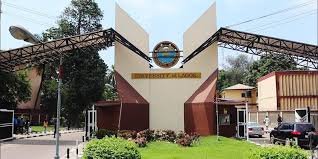
The management of the University of Lagos has criticised the institution’s chapter of the Academic Staff Union of Universities for declaring an industrial action without adhering to established procedures. ASUU-UNILAG, after a congress held on Tuesday, directed its members to withdraw their services from Wednesday over what it described as reduced salaries for January and February. The chairman of the union in the university, Prof. Idou Keinde, said lecturers did not receive the full components of their earnings, including the Consolidated Salary Structure for Academics, the Consolidated Academic Tools Allowance, and the Professorial Allowance. Keinde added that lecturers would not return to work until their complete salaries are paid. Responding, the university, through its Head of the Communication Unit, Adejoke Alaga-Ibraheem, said the management would continue to engage with the ASUU leadership to resolve the concerns raised, particularly the unpaid Consolidated Academic Teaching Allowances. In a statement issued on Wednesday, the university said it had taken note of reports that the union directed its members to suspend services following its congress. The management, however, maintained that the declaration of the strike did not follow due process. Despite the development, the university reaffirmed its commitment to the welfare of staff and students, noting that it would sustain dialogue with the union to address all outstanding issues. UNILAG also stated that the ongoing examinations for students scheduled for Wednesday would proceed as planned. According to the statement, the institution is mindful that students are currently at a crucial stage of the academic session, with semester examinations already in progress. It warned that any disruption could negatively affect students, particularly those preparing for the Students’ Industrial Work Experience Scheme, internships, or admission into the Law School. However, the university noted that examinations for courses where students have already been informed by their Deans or Heads of Department that tests will not hold would be rescheduled. The management further stated that all examinations would continue as scheduled from Thursday, March 12, 2026, while directing deans to ensure proper arrangements for the smooth conduct of the examinations. It also urged members of the university community to remain calm and continue their academic activities while discussions with the union continue toward resolving the issues.

Zara Lianne20 February 2026
zz-6.jpg

3min9390
Fresh anxiety has enveloped Utono community in Ngaski Local Government Area of Kebbi State after a letter allegedly sent by suspected terrorists surfaced, demanding a payment of ₦100 million as a condition to allow them access to the town to “preach.” The development comes amid heightened security worries in parts of Kebbi and neighbouring states, where armed groups have been linked to attacks, abductions, and extortion in rural areas. According to reports, the letter was delivered to community leaders in the early hours of Thursday, with the authors cautioning residents against dismissing the threat. “This is not a joke. We are coming to preach. You must pay us ₦100 million,” the message reportedly stated. The group also made reference to an earlier incident in Woru community in Kiama Local Government Area of Kwara State, where several people were allegedly killed after a similar warning was ignored. A resident, who requested anonymity due to security concerns, said the message has triggered panic within the community. Confirming the development, the Chief Press Secretary to the Kebbi State Governor, Alhaji Ahmed Idris, said the state government has taken swift action to avert any possible attack. He disclosed that he had spoken with the Director of Security, who confirmed the threat and assured that security personnel had been deployed to the area. Idris said the government was treating the matter with utmost seriousness, adding that security agencies, supported by aerial surveillance, had been mobilised to safeguard the community. He stressed that the state government remains fully committed to protecting lives and property, noting that the governor has continued to prioritise security across the state. Kebbi State, like several others in the North-West, has experienced sporadic attacks by armed groups in recent years, particularly in remote communities targeted for ransom and other criminal activities. Security authorities say intensified operations are ongoing to prevent further incursions and reassure residents. As of the time of filing this report, security presence had reportedly been strengthened in Utono and surrounding communities, while residents remain on high alert.

Zara Lianne19 February 2026
zz-16.webp

3min5690
The Lagos State Government has urged auditors to prioritise precise and thorough documentation in carrying out their responsibilities. This call was made at the opening of a three-day capacity-building workshop for internal auditors from Lagos State’s Ministries, Departments, and Agencies, aimed at strengthening audit practices and promoting accountability in the public sector. The Special Adviser to Governor Babajide Sanwo-Olu on Internal Audit, Dr Oyeyemi Ayoola, officially inaugurated the workshop on Tuesday at Cordia Hotel, CBD, Alausa, Ikeja. In her opening remarks, Ayoola highlighted the workshop theme, “Audit Documentation Excellence: Ensuring Accuracy, Traceability & Professional Integrity,” as highly relevant, noting the pivotal role auditors play in risk management and compliance with government controls. She emphasised that internal audit reports form the primary basis for external audits and annual evaluations, underlining the importance of meticulous report writing. The Permanent Secretary of the Office of Internal Audit, Monsurat Alaka, described the training as a strategic initiative designed to enhance the accuracy, integrity, and quality of audit documentation across the Lagos State Public Service. She explained that the workshop equips participants with the knowledge, practical skills, and professional standards required for effective audit practices. Alaka noted that the programme aligns with commitments made during the General Meeting in December 2025, which stressed the need for structured and continuous capacity building for internal auditors. She added that accurate audit documentation is essential for good governance, as it provides verifiable evidence, fosters transparency, and strengthens the credibility of audits. She stated, “The strength of any audit lies not only in its findings but in the integrity, accuracy, and reliability of its documentation. Accuracy ensures reliability, traceability guarantees accountability, and professional integrity sustains public trust.” Alaka further reminded participants of their critical role in promoting transparency, accountability, and prudent management of public resources, stressing that excellence in documentation is fundamental, not optional. She encouraged participants to make full use of the workshop and share the knowledge gained with colleagues in their respective MDAs to maintain uniform standards and reinforce the state’s audit system. The training consultant, Dr Olusola Olowoyeye, Chief Business Officer of Arkounting Professional Services, expressed confidence that attendees would be better prepared to support government objectives by ensuring value for money through effective oversight and improved efficiency. He also highlighted the importance of digital skills in modern auditing, noting their role in improving report quality and supporting informed decision-making. Participants, including Adeyemi Adeeko, Olawunmi Segun-Adegboyega, and Ajose Oluwafunke, praised the State Government for investing in their professional development. They described the workshop as timely and impactful, providing hands-on experience and practical insights to enhance professionalism, efficiency, and the timely execution of their duties.

Zara Lianne19 February 2026
zz-3.jpg

5min3810
Entry immigration system for 2026, aimed at drawing in highly skilled professionals, addressing labour shortages, and strengthening long-term economic growth. The update was announced on Thursday by the Minister of Immigration, Refugees and Citizenship, Lena Diab, as part of the federal government’s International Talent Attraction Strategy, according to information published on the website of Immigration, Refugees and Citizenship Canada. Diab said the reforms are intended to bring greater balance and oversight to the immigration system while ensuring newcomers are well positioned to contribute to the economy from the outset. She explained that the government is placing strong emphasis on attracting and retaining global talent capable of supporting Canada’s future, noting that the effectiveness of immigration policy depends largely on how newcomers are selected. Under the strategy, the Express Entry system remains central to Canada’s approach to skilled immigration. The online platform manages applications for three permanent residence pathways: the Canadian Experience Class, the Federal Skilled Worker Program, and the Federal Skilled Trades Program. Through category-based invitation rounds, candidates with skills and experience aligned with priority sectors are selected to help meet economic and workforce demands. The government said immigration targets will continue to follow a structured framework that reflects labour market needs, provincial priorities, and humanitarian commitments. Existing priority categories retained Current Express Entry categories will remain in place for healthcare and social service professionals such as nurse practitioners, pharmacists, dentists, psychologists, and chiropractors. Skilled trades, including carpenters, plumbers, and machinists, as well as STEM professionals like engineers and cybersecurity specialists, will also continue to receive priority consideration. Proficiency in French remains an important selection factor, highlighting the government’s support for Francophone communities outside Quebec. New priority categories for 2026 Several additional categories have been introduced to respond to changing economic and national security priorities. These include foreign medical doctors with Canadian work experience, offering them a clearer route to permanent residence to help ease healthcare shortages. Researchers and senior managers with Canadian experience have also been added to support innovation and growth, alongside a $1.7 billion federal initiative aimed at attracting top global researchers. Transport professionals—such as pilots, aircraft mechanics, and inspectors have been prioritized due to their role in trade, supply chains, and economic stability. In addition, skilled military recruits, including doctors, nurses, and pilots with job offers from the Canadian Armed Forces, are now included to support national defence objectives. Tighter eligibility rules Eligibility requirements have been strengthened, with the minimum work experience threshold raised from six months to 12 months for most occupational groups, including healthcare, STEM, social services, and trades. This experience must have been obtained within the last three years, either in Canada or abroad. Cooks have been removed from the list of eligible trade occupations and will no longer qualify under Express Entry draws. Francophone immigration focus The government is also intensifying efforts to attract French-speaking immigrants outside Quebec. Canada has surpassed its Francophone immigration targets for the fourth year in a row, with nearly 9% of admissions outside Quebec in 2025. For 2026, the target is more than 30,000 Francophone newcomers annually, with an ambition to reach 12% by 2029. Predictability and economic benefits Diab stressed that a stable and predictable immigration system supports employers, provinces, and local communities. By prioritizing candidates whose skills match economic needs, the government aims to reduce labour shortages, improve access to healthcare, support housing and infrastructure development, and encourage innovation in areas such as artificial intelligence and cybersecurity. The first Express Entry invitation rounds under the new categories are expected shortly, beginning with foreign medical doctors and other healthcare professionals. Candidates will continue to be assessed using a points-based system that considers education, skills, language proficiency, and work experience, ensuring alignment with labour market priorities. Through these changes, Canada says it is working to build a more resilient workforce, attract global talent, and promote sustainable economic growth while maintaining fairness, transparency, and public confidence in its immigration system.

Zara Lianne18 February 2026
zz-13.webp

2min13900
The Federal Judicial Service Commission has appointed Yahaya Yakubu Shafa Esq. as Acting Chief Registrar of the Federal High Court, following the elevation of the former Chief Registrar, Suleiman Hassan, to the Bench. Shafa’s appointment was approved at the commission’s 98th meeting on January 22, 2026, and became effective on February 17, 2026. In a statement on Tuesday, Dr. Catherine Christopher, Director of Information for the Federal High Court of Nigeria, said the move reflects the judiciary’s commitment to stability and continuity in its administrative leadership. “The appointment of the Acting Chief Registrar underscores the court’s dedication to maintaining continuity, efficiency, and stability in its administration,” the statement noted. A Fellow of the Chartered Institute of Arbitrators, Shafa is a seasoned judicial administrator and legal practitioner with over 18 years of experience in the justice sector. Prior to this appointment, he served as Executive Secretary of the Nasarawa State Judicial Service Commission, where he played a key role in judicial administration, policy coordination, and institutional development. The court expressed confidence that Shafa’s extensive experience would strengthen its operations. “His background in court administration, legal practice, and institutional reforms is expected to enhance the administrative machinery of the Federal High Court and support the efficient delivery of justice,” the statement added. Management and staff of the Federal High Court congratulated Shafa on his appointment and wished him a successful tenure. They also commended Suleiman Hassan on his elevation to the Bench, praising his service and leadership during his tenure as Chief Registrar. “The management and members of staff of the Federal High Court congratulate Mr. Suleiman Amida Hassan on his well-deserved elevation and commend his service as he hands over the administrative leadership of the court,” the statement concluded.

Zara Lianne18 February 2026
zz-11-1280x493.webp

2min8550
Britain’s annual inflation rate slowed in January, matching market expectations, according to official figures released on Wednesday, strengthening the case for a possible interest rate cut by the Bank of England next month. Data from the Office for National Statistics showed that the Consumer Prices Index dropped to 3.0 per cent in January, down from 3.4 per cent in December. The ONS said inflation fell to its lowest annual level since March last year, partly due to lower petrol prices. The latest figures support the central bank’s view that inflation is likely to continue easing towards its two per cent target in the months ahead, as declining energy costs help balance out higher water charges and other persistent expenses. Earlier this month, the Bank of England kept its benchmark interest rate unchanged at 3.75 per cent but indicated that further reductions were likely. Although wage growth has moderated in the private sector, it remains relatively high in the public sector. Official data also show unemployment rising to a five-year high of 5.2 per cent. Since winning the general election in July 2024, Prime Minister Keir Starmer’s Labour government has faced challenges in stimulating economic growth, following tax increases introduced in its two budgets. Finance Minister Rachel Reeves said the government’s budgetary decisions were helping to bring inflation down, responding to the latest data. Recent figures also revealed that economic growth in the final quarter of 2025 fell short of expectations, prompting the central bank to revise down its growth forecasts for this year and next. The Bank of England now projects gross domestic product growth of 0.9 per cent this year and 1.5 per cent in 2027, compared with earlier forecasts of 1.25 per cent for 2026 and 1.6 per cent for 2027. Analysts say the combination of weak economic momentum, a cooling labour market, and easing wage pressures could make the central bank more comfortable with cutting interest rates as 2026 unfolds.

Zara Lianne17 February 2026
zz-18.jpeg

3min7380
The Nigeria Centre for Disease Control on Monday sounded the alarm over a rising number of Lassa fever cases among health workers. The agency reported that 15 health care workers have been confirmed infected, with two deaths recorded, amid Nigeria’s ongoing outbreak of the viral disease. In an advisory, the NCDC expressed sympathy to affected personnel and highlighted the risk factors driving transmission. “Recent surveillance data show a concerning increase in Lassa fever infections among healthcare workers, with 15 confirmed cases and two deaths as of Epidemiological Week 7. Infections have been reported across several states, including high-burden areas such as Ondo, Edo, Bauchi, Taraba, Ebonyi, and Benue, with specific hotspots identified at the local government level. “As part of its mandate, NCDC investigates every healthcare worker infection to determine transmission drivers and prevent further cases. Findings point to gaps in infection prevention and control (IPC) practices, and overlooked exposure risks in certain departments, resulting in IPC measures that are misaligned with actual risk, sometimes with fatal outcomes,” the advisory stated. In Benue State, Commissioner for Health and Human Services Dr Paul Ogwuche confirmed that at least four health workers have died, with over 60 suspected cases reported. Of the 11 confirmed cases, four health workers died and three patients remain hospitalized. Efforts in collaboration with the NCDC are underway to contain the outbreak through public awareness and enhanced support measures. Lassa fever is a zoonotic viral illness primarily transmitted by the Mastomys rat. It is endemic in Nigeria and several other West African countries. The World Health Organization describes it as an acute viral haemorrhagic illness caused by the Lassa virus, a member of the arenavirus family. Humans are usually infected through exposure to food or household items contaminated with urine or faeces of infected rats. Person-to-person transmission and laboratory-acquired infections can also occur, particularly in healthcare settings lacking adequate infection prevention and control measures. The disease is endemic in Benin, Ghana, Guinea, Liberia, Mali, Sierra Leone, Togo, and Nigeria, and likely exists in other parts of West Africa.