Author: Zara Lianne

Zara Lianne17 February 2026
zz-14.jpeg

1min9180
The Nigerian Electricity Regulatory Commission has set out a three-step procedure for electricity consumers seeking redress over power supply, billing, and metering issues. In a public advisory shared on its official X account on Tuesday, the commission advised customers affected by prolonged outages, estimated billing, faulty meters, or voltage fluctuations to first report such complaints to their respective electricity Distribution Companies. NERC stated that DisCos serve as the primary contact point for all electricity-related complaints and are required to resolve both technical and commercial issues within approved timelines. Consumers were also encouraged to request a complaint reference number and keep records of all correspondence to aid follow-up. The advisory explained the process as follows: Consumers should begin by contacting their DisCo’s customer care unit for any technical or billing concerns. If the issue remains unresolved and the customer resides in a state that has transitioned to a State Electricity Regulator, the complaint should be escalated to that authority. For consumers in other states, or where further intervention is needed, the commission advised contacting the NERC Call Centre to ensure the complaint is properly reviewed and addressed.

Zara Lianne16 February 2026
zz-9.webp

6min4600
Downtown Munich, typically known for its high-end boutiques and luxury cars, is now showcasing posters promoting next-generation drones. “Europe’s security under construction” reads the slogan on striking black-and-white images displayed on scaffolding surrounding a prominent church along one of the city’s busiest pedestrian streets. A public show of military capability like this would have been unthinkable just a few years ago, but global developments are rapidly reshaping Germany and the continent. Bavaria has emerged as Germany’s leading hub for defence technology, with a focus on artificial intelligence, drones, and aerospace. Residents, like many Europeans, report feeling increasingly exposed caught between an assertive Russia and an economically ambitious China to the east, and an unpredictable United States to the west. A recent Eurobarometer survey found that 68% of Europeans feel their country is under threat. This autumn, Germany’s Federal Office of Civil Protection and Disaster Assistance warned for the first time since the Cold War that war can no longer be considered “unlikely.” While assuring the country remains generally safe, the agency recommended that citizens maintain three to ten days of food supplies at home. Germany has become the largest European contributor of military and other aid to Ukraine following a pause in direct US assistance. Opinion polls indicate that citizens also want stronger protection at home. The challenge for Europe is whether traditional alliances with the US, NATO, and the EU are sufficient, or whether ad hoc coalitions with like-minded nations such as Australia, South Korea, and Japan are also necessary. By 2029, Germany’s defence budget is projected to exceed the combined budgets of the UK and France. NATO Secretary General Mark Rutte called the €150 billion planned expenditure “staggering” and noted that the United States has recognized and welcomed the move. While past US presidents have urged Europe to take more responsibility for its own security, Donald Trump’s approach has been notably more transactional and assertive. This year’s Munich Security Conference (MSC)—the world’s largest annual defence meeting focused heavily on the strained transatlantic relationship. Leaders, security experts, and defence industry representatives gathered, with informal side meetings providing opportunities for behind-the-scenes discussions. The most closely watched address came from US Secretary of State Marco Rubio, representing the Trump administration. European leaders were attentive, aware that transatlantic ties are at their most fragile since World War II. Tensions have been fueled by actions such as Trump’s threats over Greenland, temporary intelligence-sharing pauses with Ukraine, and repeated pressure on European allies to increase defence spending. European powers perceive his administration as highly transactional, leveraging security and economic ties to achieve US objectives. In Munich, Rubio sought to reassure Europe while reinforcing key Trump-era positions: skepticism toward multilateralism, globalisation, and climate action, alongside a vision for a renewed Western civilisation. He emphasized that partnership with the US would be conditional on shared values, prompting mixed reactions among European diplomats. The MSC highlighted Europe’s strategic dilemma: while Nordic and Baltic nations, along with Germany and the Netherlands, are preparing for stronger defence, southern European countries such as Spain remain resistant to significant increases in military spending. France and the UK are committed in principle but face domestic political and economic constraints. US officials, including Undersecretary of Defence Elbridge Colby, stressed that the Indo-Pacific is now Washington’s top strategic priority, signaling a reduced US presence in Europe. Europe must become a proactive partner rather than a dependent, prompting discussions of a “NATO 3.0.” In contrast, UK Prime Minister Sir Keir Starmer advocated closer defence integration with Europe to reduce costs while maintaining a strong transatlantic relationship. Experts suggest Europe’s leaders are increasingly forming flexible coalitions outside traditional institutions like NATO and the EU, working alongside countries such as Canada, Turkey, New Zealand, Japan, and South Korea to address shared security challenges. These collaborations extend beyond defence, covering energy security, supply chains, and technological independence. Efforts to develop European strategic autonomy, such as France and Germany’s joint Future Combat Air System, illustrate both the ambition and the challenges of pursuing independence from the US. Despite the push for European self-reliance, the continent remains heavily dependent on US support, from nuclear deterrence to intelligence sharing and technological innovation. Yet the pace of global power shifts is forcing even traditionally cautious Europe to adapt quickly to a new strategic reality. Europe is moving toward a future shaped by big power politics, and even its slowest-moving institutions are now being compelled to respond.


Zara Lianne16 February 2026
zz-12.jpeg

2min3640
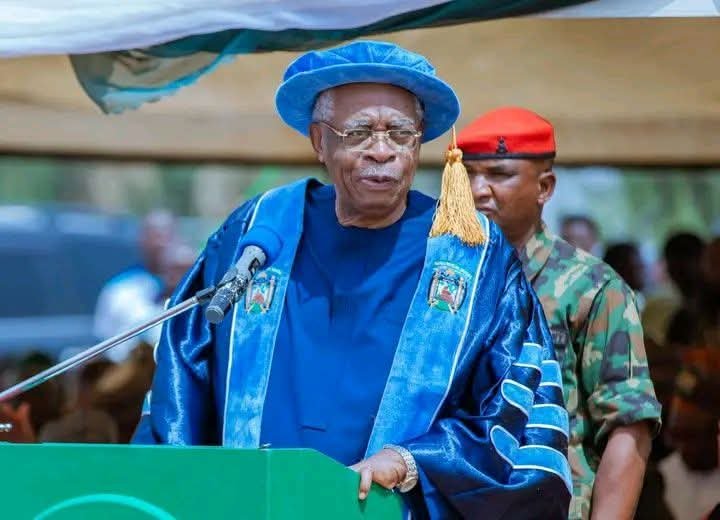
Former Minister of Defence, Lt Gen Theophilus Danjuma (retd), has commended United States President Donald Trump for bringing global attention to the security situation in Nigeria’s Middle Belt. Danjuma spoke on Saturday at the joint 8th and 9th convocation ceremony of Plateau State University in Bokkos Local Government Area, where he said Trump’s remarks had pushed the term “Middle Belt” into international conversations. He noted that global media outlets reacted with curiosity and surprise, but the discussion continued, leading to increased awareness of the region’s challenges. “Today, the world is paying closer attention to the realities of our region. For that awareness, we are thankful,” he said. Danjuma called on Nigerians to invest in mentoring and supporting young leaders, urging them to rely on local capacity rather than waiting for help from outside the country. He also expressed gratitude for the honour bestowed on him, describing it as especially significant because it came from his own people. He further described Aboyeji as a fitting choice for recognition and a strong representation of Nigeria’s youthful entrepreneurial promise. During the ceremony, the university awarded honorary degrees to Danjuma and Aboyeji in recognition of their contributions to national development, entrepreneurship, and ethical leadership. In his address, Governor Caleb Mutfwang reaffirmed his government’s commitment to transforming education, noting that nearly N1bn had been invested to secure programme accreditation and expand academic faculties. He urged the graduating students to move forward with confidence, solve problems, create opportunities, and push beyond limitations, reminding them that the university’s name should open doors for them across Nigeria and beyond.

Zara Lianne15 February 2026
aa-6.webp

2min7140
The Nigerian Education Loan Fund (NELFUND) has disbursed ₦392,876,550 in student loans to Delta State University, Abraka (DELSU), providing financial support to 1,854 students. In a statement shared on its official X account on Sunday, NELFUND said the funds are aimed at easing financial burdens and enabling beneficiaries to focus fully on their academic programmes. According to the agency, “Delta State University has received a students’ loan disbursement from the Nigerian Education Loan Fund (NELFUND) totalling ₦392,876,550.00. Number of beneficiaries: 1,854 students. This will alleviate financial challenges and support students’ academic pursuits.” In an acknowledgement letter dated January 13, 2026, and addressed to the Managing Director/CEO of NELFUND, DELSU Registrar, Mrs Rufina Ofio, expressed appreciation for the intervention on behalf of the Vice-Chancellor, Prof. Samuel O. Asagba. She confirmed receipt of the ₦392.8 million disbursement, noting that it would significantly reduce the financial strain on the affected students and allow them to concentrate on their studies. The university also commended NELFUND for its commitment to expanding access to education and fostering academic development across Nigeria. The latest disbursement underscores NELFUND’s continued efforts to support higher education students nationwide and ensure that financial constraints do not stand in the way of academic success.

Zara Lianne13 September 2025
cc-1280x598.jpeg

3min3510
In its global cholera statistics for 2024, WHO highlighted an increase in both cases and fatalities associated with the disease. In a statement released on Friday, WHO emphasized that prevention and treatment options are available. The report shows a 5 percent rise in reported cholera cases and a 50 percent increase in deaths in 2024 compared to 2023, with over 6,000 lives lost to a preventable and treatable illness. These figures likely underestimate the actual impact of cholera worldwide. Factors such as conflict, climate change, population displacement, and longstanding deficiencies in water, sanitation, and hygiene infrastructure continue to drive the increase in cholera cases. Describing the disease, WHO noted that cholera is caused by Vibrio cholerae bacteria and spreads quickly through water contaminated with feces. In 2024, 60 countries reported cases, up from 45 countries in 2023. The burden remains heavily concentrated in Africa, the Middle East, and Asia, which together accounted for 98 percent of all reported cases. The scope of outbreaks expanded in 2024, with 12 countries reporting more than 10,000 cases; notably, seven of these countries experienced large outbreaks for the first time. The resurgence of cholera in Comoros, after over 15 years without outbreaks, highlights the ongoing global threat. The case fatality rate in Africa increased from 1.4 percent in 2023 to 1.9 percent in 2024, indicating critical gaps in the delivery of essential care and exposing vulnerabilities in many health systems. A significant proportion of deaths about 25 percent occurred outside health facilities, underscoring the urgent need to improve community access to treatment and strengthen community-based interventions. To combat cholera, it is essential for governments, donors, and communities to ensure access to safe water and sanitation, disseminate accurate information on protection measures, and facilitate rapid treatment and vaccination during outbreaks. Improved surveillance and diagnostics are vital for guiding responses, and increased investment in vaccine production remains necessary. In early 2024, WHO prequalified a new oral cholera vaccine, Euvichol-S®, which was added to the global stockpile. This helped maintain stockpile levels above the emergency threshold of 5 million doses during the first half of 2025. Due to high demand, the current strategy continues to use a single-dose regimen instead of the standard two doses, a practice that began in 2024 and extends into 2025. In 2024, requests for 61 million doses of the vaccine were made, with 40 million approved for emergency use in single-dose campaigns across 16 countries. Nevertheless, supply constraints persisted, outstripping demand in both 2024 and 2025. Preliminary data indicates that the cholera crisis is ongoing into 2025, with 31 countries experiencing outbreaks so far this year. WHO has assessed the global risk as very high and is urgently working to reduce mortality and contain outbreaks worldwide. To this end, WHO continues to support countries through enhanced public health surveillance, case management, preventive measures, provision of medical supplies, coordination with partners, and risk communication efforts.

Zara Lianne12 September 2025
ebolaaaa.webp

3min7270
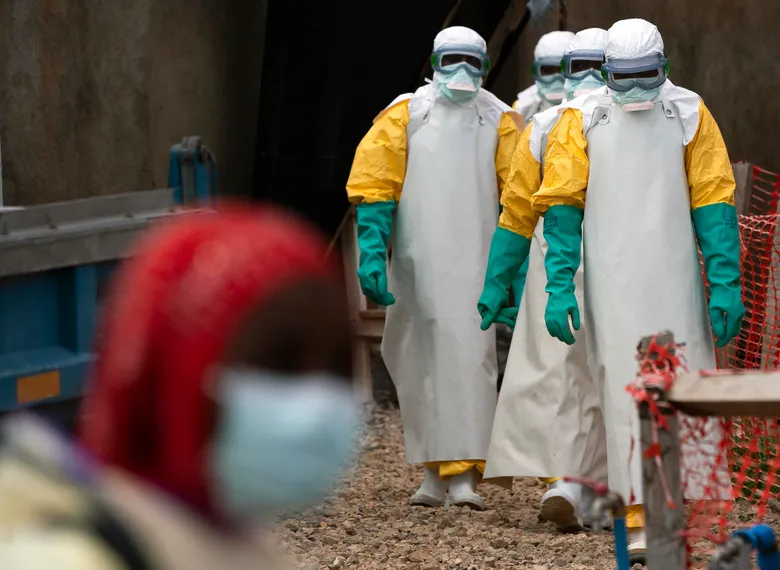
The Lagos State Government has activated the Incident Management Structure of the Public Health Emergency Operations Centre as a precautionary step to guard against a possible Ebola Virus Disease outbreak in the state. The government disclosed in a statement on its official X handle Thursday that the centre was activated following the ongoing epidemic in the Democratic Republic of Congo. According to the statement, “The IMS activation followed an emergency meeting of the Lagos PHEOC held on September 9 at the Mainland Hospital, Yaba, in response to the ongoing outbreak in the Democratic Republic of Congo (DRC), where 28 suspected cases and 15 deaths, including four health workers, have been reported.” As part of preparations, the state has made available an isolation facility with a capacity of 14 to 18 beds for both suspected and confirmed cases. Other measures include strengthened surveillance, laboratory support, and infection prevention and control systems. Training for frontline health workers across all response areas is also set to begin immediately. Permanent Secretary of the Lagos State Ministry of Health, Dr. Olusegun Ogboye, represented by the Director of Epidemiology, Biosecurity and Global Health, Dr. Ismail Abdus-Salam, said the move was necessary given Lagos’ exposure risk. “Lagos is largely ready,” Abdus-Salam assured, noting that updated Ebola fact sheets and advisories will be circulated to both public and private health facilities so that doctors, nurses, laboratory scientists and other health personnel remain alert. Ogboye urged the public not to panic, stressing that the government has put control measures in place. He, however, advised residents to practice proper hand hygiene, maintain clean environments, and promptly report suspected cases, especially among travellers returning from outbreak regions. “The Ebola virus spreads through direct contact with blood, body fluids, or contaminated items of an infected person. Anyone with fever, sore throat or malaria-like symptoms who has recently travelled to affected regions should report immediately to 767 or 112,” he said. At the airport, Dr. Abdullahi Lawal, Officer-in-Charge of Port Health Services, said enhanced surveillance and infection prevention measures have been introduced to prevent importation of the virus. The government further disclosed that stakeholders such as immigration, customs, and the Federal Airports Authority of Nigeria are being sensitised to identify EVD symptoms early, while travellers are encouraged to observe proper hand hygiene and report suspicious cases. These actions follow the Ebola outbreak declaration in Kasai Province, DRC, where 58 suspected or confirmed cases and 20 deaths, including four health workers, had been recorded as of September 10.

Zara Lianne12 September 2025
air-peace-1.png

2min4120
The Nigerian Safety Investigation Bureau (NSIB) has indicted an Air Peace pilot and co-pilot after toxicology tests revealed the presence of alcohol and hard drugs in their systems. The development followed a runway incursion involving an Air Peace Boeing 737 aircraft at the Port Harcourt International Airport on July 13, 2025. According to a preliminary report signed by Mrs. Bimbo Olawumi Oladeji, Director of Public Affairs and Family Assistance at the NSIB, the crew tested positive for prohibited substances during investigations into the incident. It would be recalled that the aircraft, carrying 103 passengers on a scheduled flight from Lagos, veered off Runway 21 after an unstabilised approach and late landing. The jet touched down 2,264 metres from the runway threshold—far beyond the designated touchdown zone—before coming to a stop 209 metres into the clearway. Fortunately, all passengers and crew disembarked safely, and no injuries were recorded. While runway incursions are often linked to miscommunication, technical faults, or poor runway conditions, the NSIB report has now identified crew intoxication as a contributing factor in this case. Toxicological screenings carried out at Rivers State Hospital, Port Harcourt, confirmed the presence of ethyl glucuronide (a marker of recent alcohol intake) in the pilot and co-pilot. A cabin crew member also tested positive for tetrahydrocannabinol (THC), the psychoactive compound in cannabis. The Bureau stated that these findings are being reviewed under the framework of human performance and safety management, which are key components in aviation safety investigations. In response, the NSIB has issued immediate safety recommendations to Air Peace. These include stricter crew resource management training—especially in handling unstabilised approaches and go-around decisions—as well as reinforced internal procedures to ensure crew fitness-for-duty before flight dispatch.

Zara Lianne11 September 2025
Dangote-Refinery-Invests-N720bn-in-4000-CNG-Trucks-to-Cut-Fuel-Costs-Nationwide.jpg

5min3840
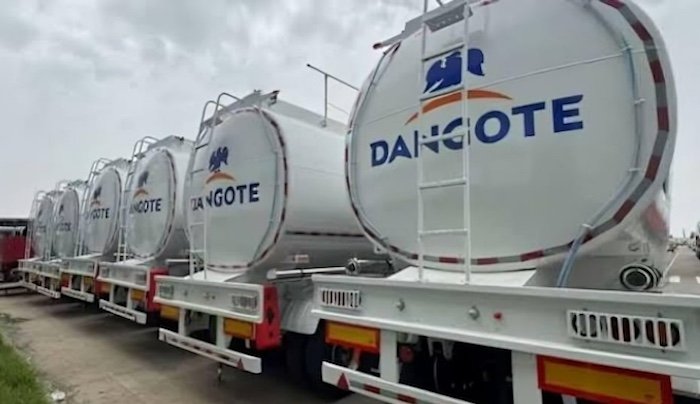
The recent dispute between the Nigeria Union of Petroleum and Natural Gas Workers (NUPENG) and Dangote Refinery may have ended for now, but the outcome offers important lessons for stakeholders in the country’s industrial relations space, particularly regarding unionisation, labour laws, and the rule of law. The conflict began when Dangote management allegedly set up the Direct Trucking Company Drivers Association (DTCDA), a parallel body meant to replace NUPENG. NUPENG described the move as illegal, stressing that it violated workers’ rights to unionise and engage in collective bargaining. The Ministry of Labour had earlier declared the DTCDA unlawful, affirming NUPENG as the only legally recognised union for refinery employees. Tensions escalated when oil workers went on strike to demand NUPENG’s recognition and the scrapping of the DTCDA. The strike disrupted petroleum product loading. An agreement was eventually signed on Tuesday at the Department of State Services (DSS) headquarters in Abuja, with the Minister of Finance and other officials present. Minister of Labour and Employment, Muhammadu Dingyadi, explained that the DSS venue was chosen to provide a neutral and secure ground for negotiations. Speaking with journalists, Dingyadi said: “The intervention of the Ministry was necessary to protect the rights of workers and ensure compliance with Nigerian labour laws. No employer should interfere with the freedom of workers to join unions of their choice. We are satisfied that today’s outcome restores industrial harmony and strengthens the rule of law.” NUPENG President Williams Akporeha confirmed that all contentious issues had been resolved. “We signed the agreement, and members have agreed to the unionisation of workers at Dangote Petrochemical Refinery. The strike is called off immediately, and tankers have resumed loading petroleum products,” he stated. On reports of a supposed walkout by Dangote representatives, Akporeha clarified: “They denied any walkout. The representative left briefly due to hunger and a medical condition. There was no formal walkout. Monday night’s stalemate was caused by management’s attempts to insert clauses we could not accept, but today we have harmonised all issues and signed the agreement.” He added: “The management had no right to create the DTCDA. Going forward, no union will be forced on workers, and no parallel union will be recognised. This is a major victory for lawful unionisation and the rights of our members.” The resolution highlights the strength of the rule of law in industrial relations, rooted in Nigerian labour legislation and international standards. The Trade Unions Act, Cap T14, LFN 2004 guarantees workers’ rights to form and join unions of their choice, while the Labour Act, 2004 protects employees’ rights to collective bargaining, strike action, and representation. Section 40 of the 1999 Constitution guarantees freedom of association, while section 44 prohibits employer interference in lawful unions. Internationally, Nigeria’s commitments under International Labour Organization (ILO) conventions further strengthen the case. ILO Convention No. 87 (Freedom of Association, 1948) ensures workers’ rights to form unions without employer interference, while ILO Convention No. 98 (Right to Organise and Collective Bargaining, 1949) protects workers against anti-union discrimination and guarantees collective bargaining rights. Labour analysts say the outcome is a significant win for workers’ rights in Nigeria, serving as a precedent for other companies that might attempt to undermine lawful unions. It also reinforces the need for strict compliance with labour laws, respect for due process, and adherence to international standards. For workers, it guarantees the right to unionise, bargain collectively, and engage with management without fear of retaliation. For employers, it highlights the risks of undermining union rights. Although the strike has been suspended and operations have resumed, NUPENG leaders have vowed to remain watchful, warning that any future attempts to sidestep lawful unionisation will face immediate resistance. The Ministry of Labour and Employment will also continue to monitor compliance. The Dangote–NUPENG episode not only resolved a looming industrial crisis but also created a model for protecting workers’ rights, strengthening industrial harmony, and ensuring the rule of law within Nigeria’s energy sector.

Zara Lianne11 September 2025
Adllins-Media-Social-Marketing-Platforms.jpg

3min3820
A French parliamentary commission investigating TikTok’s psychological impact has recommended banning social media access for children under 15 and introducing a “digital curfew” for teenagers aged 15 to 18, according to a report published on Thursday. Rapporteur and lawmaker Laure Miller said the proposed ban would send “a clear message to both children and parents that before 15, social media is not harmless.” The commission was set up in March after seven families filed lawsuits against TikTok in late 2024, accusing the platform of exposing minors to harmful content that could drive them toward suicide. Lawmakers heard testimonies from grieving families, social media executives, and influencers before drawing up their proposals. One parent, Geraldine, 52, whose 18-year-old daughter Penelope took her life, later discovered videos of self-harm her daughter had posted and watched on TikTok. “It’s difficult for us as parents to control all of this,” she told AFP, requesting her surname not be disclosed. TikTok, owned by China-based ByteDance, has repeatedly said youth safety is its top priority. The company claims to remove more than 95 percent of harmful content within 24 hours and 90 percent before it is viewed. Alongside the under-15 ban, the commission suggests a curfew that would block social media access for 15- to 18-year-olds between 10 p.m. and 8 a.m. If platforms fail to meet their legal responsibilities under the EU’s Digital Services Act within three years, the report even calls for a total ban on social media use by anyone under 18. The recommendations also include a nationwide awareness campaign about online risks and the creation of a new offence for “digital negligence” aimed at holding irresponsible parents accountable. Miller noted that recent European Commission guidelines have “opened the door to national regulation,” stressing that effective age verification at registration is key. However, such steps face obstacles, including platform resistance, technical challenges, and concerns over personal freedoms. Several EU countries, including France, Spain, and Greece, have already urged Brussels to strengthen regulations on children’s social media use, citing worries about addictive behavior, cyberbullying, and the spread of hate speech.

Zara Lianne10 September 2025
suicide-rope.jpg

2min23570
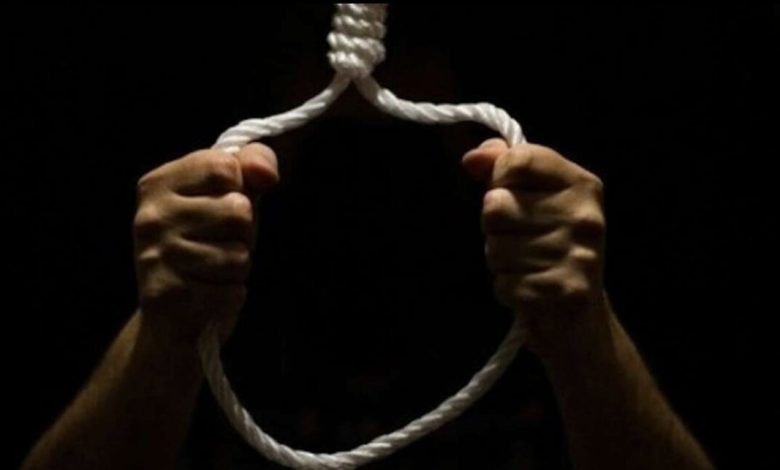
The National Orientation Agency (NOA) has called for greater awareness and action against suicidal behaviours among Nigerians. Speaking in Dutse on Wednesday during the commemoration of the 2025 World Suicide Prevention Day (WSPD), Jigawa NOA Director, Mr. Ahmad Tijjani, emphasized the importance of breaking the stigma surrounding suicide and encouraging open conversations on mental health. Observed annually on September 10, WSPD aims to highlight the urgent need to tackle mental health issues, reduce stigma, and foster global commitment to suicide prevention. Tijjani noted that over 720,000 lives are lost to suicide worldwide each year, leaving families and communities devastated. “Suicide is preventable and together we can change the narrative, break harmful myths, and fight stigma. Let’s encourage open and compassionate dialogue. Sometimes, a simple question can save a life,” he said. He urged Nigerians to check on loved ones, listen without judgment, and guide those struggling towards professional support such as doctors, counsellors, and helplines. “Use words that heal. Your kindness and care can bring hope. World Suicide Prevention Day is not just about remembrance, but also about hope. Every life matters,” Tijjani added.