

 Zara Lianne
Dangote–NUPENG Industrial Clash: Implications for Stakeholders.
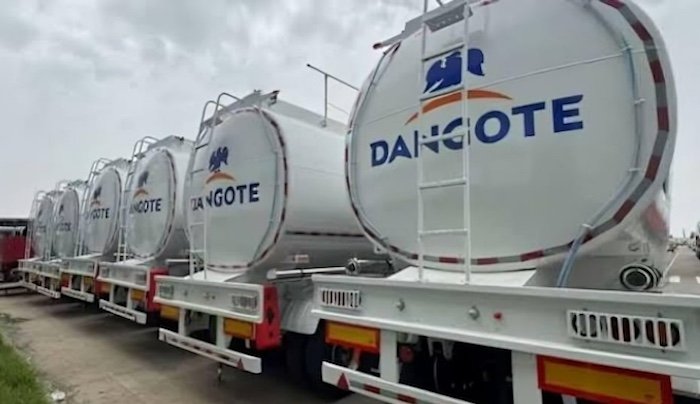
The recent dispute between the Nigeria Union of Petroleum and Natural Gas Workers (NUPENG) and Dangote Refinery may have ended for now, but the outcome offers important lessons for stakeholders in the country’s industrial relations space, particularly regarding unionisation, labour laws, and the rule of law.
The conflict began when Dangote management allegedly set up the Direct Trucking Company Drivers Association (DTCDA), a parallel body meant to replace NUPENG. NUPENG described the move as illegal, stressing that it violated workers’ rights to unionise and engage in collective bargaining. The Ministry of Labour had earlier declared the DTCDA unlawful, affirming NUPENG as the only legally recognised union for refinery employees.
Tensions escalated when oil workers went on strike to demand NUPENG’s recognition and the scrapping of the DTCDA. The strike disrupted petroleum product loading.
An agreement was eventually signed on Tuesday at the Department of State Services (DSS) headquarters in Abuja, with the Minister of Finance and other officials present. Minister of Labour and Employment, Muhammadu Dingyadi, explained that the DSS venue was chosen to provide a neutral and secure ground for negotiations.
Speaking with journalists, Dingyadi said: “The intervention of the Ministry was necessary to protect the rights of workers and ensure compliance with Nigerian labour laws. No employer should interfere with the freedom of workers to join unions of their choice. We are satisfied that today’s outcome restores industrial harmony and strengthens the rule of law.”
NUPENG President Williams Akporeha confirmed that all contentious issues had been resolved.
“We signed the agreement, and members have agreed to the unionisation of workers at Dangote Petrochemical Refinery. The strike is called off immediately, and tankers have resumed loading petroleum products,” he stated.
On reports of a supposed walkout by Dangote representatives, Akporeha clarified: “They denied any walkout. The representative left briefly due to hunger and a medical condition. There was no formal walkout. Monday night’s stalemate was caused by management’s attempts to insert clauses we could not accept, but today we have harmonised all issues and signed the agreement.”
He added: “The management had no right to create the DTCDA. Going forward, no union will be forced on workers, and no parallel union will be recognised. This is a major victory for lawful unionisation and the rights of our members.”
The resolution highlights the strength of the rule of law in industrial relations, rooted in Nigerian labour legislation and international standards. The Trade Unions Act, Cap T14, LFN 2004 guarantees workers’ rights to form and join unions of their choice, while the Labour Act, 2004 protects employees’ rights to collective bargaining, strike action, and representation. Section 40 of the 1999 Constitution guarantees freedom of association, while section 44 prohibits employer interference in lawful unions.
Internationally, Nigeria’s commitments under International Labour Organization (ILO) conventions further strengthen the case. ILO Convention No. 87 (Freedom of Association, 1948) ensures workers’ rights to form unions without employer interference, while ILO Convention No. 98 (Right to Organise and Collective Bargaining, 1949) protects workers against anti-union discrimination and guarantees collective bargaining rights.
Labour analysts say the outcome is a significant win for workers’ rights in Nigeria, serving as a precedent for other companies that might attempt to undermine lawful unions. It also reinforces the need for strict compliance with labour laws, respect for due process, and adherence to international standards. For workers, it guarantees the right to unionise, bargain collectively, and engage with management without fear of retaliation. For employers, it highlights the risks of undermining union rights.
Although the strike has been suspended and operations have resumed, NUPENG leaders have vowed to remain watchful, warning that any future attempts to sidestep lawful unionisation will face immediate resistance. The Ministry of Labour and Employment will also continue to monitor compliance.
The Dangote–NUPENG episode not only resolved a looming industrial crisis but also created a model for protecting workers’ rights, strengthening industrial harmony, and ensuring the rule of law within Nigeria’s energy sector.

