

 Zara Lianne
Is EdTech Really Changing Nigerian Classrooms or Just Making Headlines?
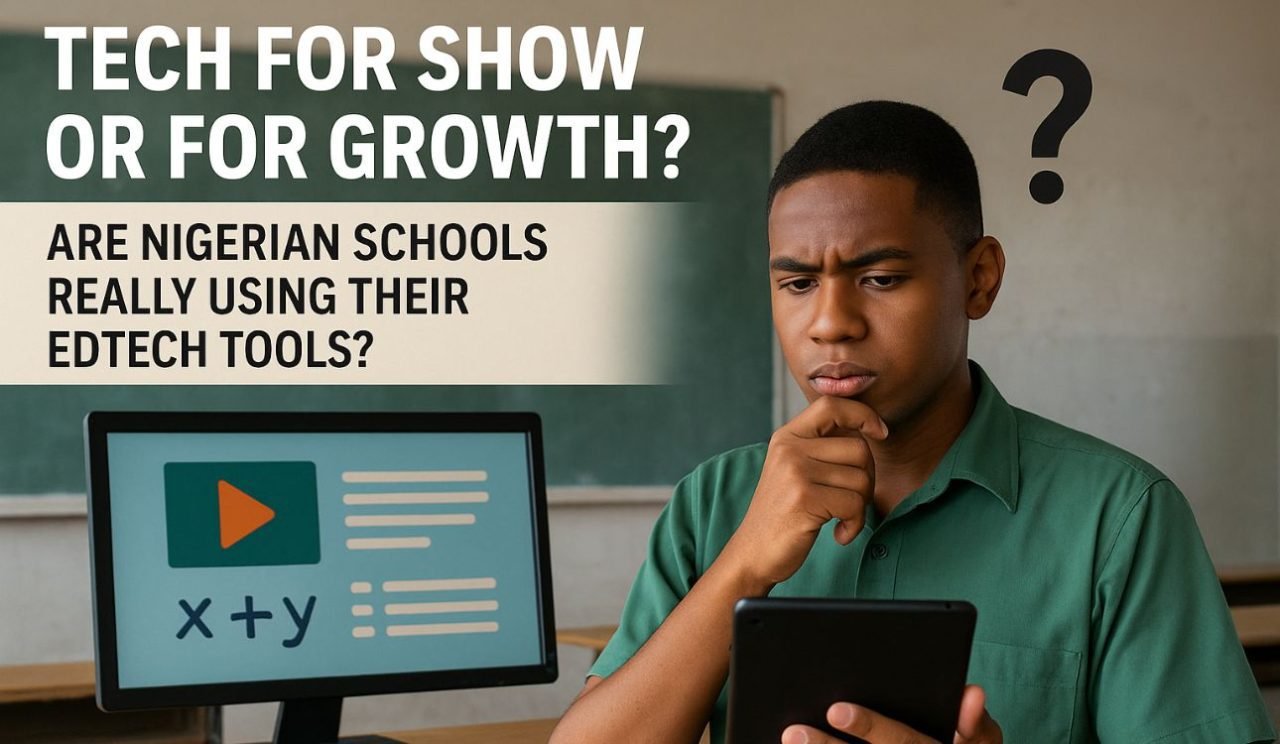
In the past few years, Nigerian schools have seen a rise in technology-driven education projects. From tablets to smart classrooms, government and private organizations are pushing digital tools into classrooms with the promise of transforming learning.
But while the announcements sound exciting, the big question remains: Is EdTech really making a difference in Nigerian classrooms, or just making headlines?
What’s Happening?
Across Nigeria, various educational technology (EdTech) programs are being rolled out:
-
Niger Delta: In 2024, the Niger Delta Development Commission (NDDC) launched 45,000 tablets preloaded with uLesson learning videos for public schools. The aim? To boost learning and bridge the education gap in hard-to-reach areas.
-
Edo State: The EdoBEST program gave digital tablets to primary and junior secondary schools. The new state government kept the project but said they’re replacing old content with updated lessons.
-
Kaduna State: In 2022, headteachers of all public primary schools received tablets—mainly for taking attendance and school data collection.
-
Lagos State: In 2025, Lagos piloted “smart classrooms” in three public schools using a device called Classbox. It comes with a tablet, projector, internet access, and educational content. The students called it “learning without borders.”
-
Private Schools (Lagos): A group of private school owners (NAPPS) signed a deal to give 5 million students AI-powered laptops. Though promising, this plan is still on paper.
What’s the Goal?
These programs are often described as ways to improve student performance, help teachers, and ensure all students (especially in poor or rural areas) have access to quality education.
Government officials and tech company leaders say these tools help students master their lessons better, and even prepare them for future tech jobs.
But Is It Working?
Here’s where things get tricky.
A number of reports and studies show that many of these tools are not being used as intended:
-
In one survey in Oyo State, students had tablets but mostly used them for games and social media, not studying.
-
Teachers often lack proper training on how to use digital tools in the classroom.
-
Poor electricity and internet access (especially in rural areas) mean many devices go unused.
-
In some places, digital content doesn’t match the national curriculum, making it hard to use in class.
Even when the devices are available, there is no clear system to track if students are learning better with them.
Some Bright Spots
That said, not all is bleak. In schools where the tools were introduced with good planning, training, and strong content, there have been improvements:
-
Lagos’s pilot schools reported better student engagement using “Classbox”.
-
UBEC and KOICA have built ICT labs and trained over 200 teachers in six states.
-
Some NGOs and startups are teaching kids coding, robotics, and science with hands-on tools but mostly in private or city schools.
The Bottom Line
EdTech in Nigeria has potential, but technology alone is not enough. For it to truly improve education:
-
Devices must come with quality local content that matches the curriculum.
-
Teacher training is essential. If teachers can’t use the tech, students won’t benefit.
-
Infrastructure like electricity, internet, and repairs must be in place.
-
Governments must track results, not just distribute devices for media praise.
As one education official put it: “These are not toys. They must lead to real learning.”
Right now, Nigeria’s EdTech journey is still unfolding. The promise is there, but whether it brings real change depends on what happens after the launch events.
What do you think? Is EdTech the future of Nigerian classrooms, or are we moving too fast without the basics?

