

 Lifestyle & Wellness Desk
Benue Killings: Survivors Share Their Devastating Ordeal
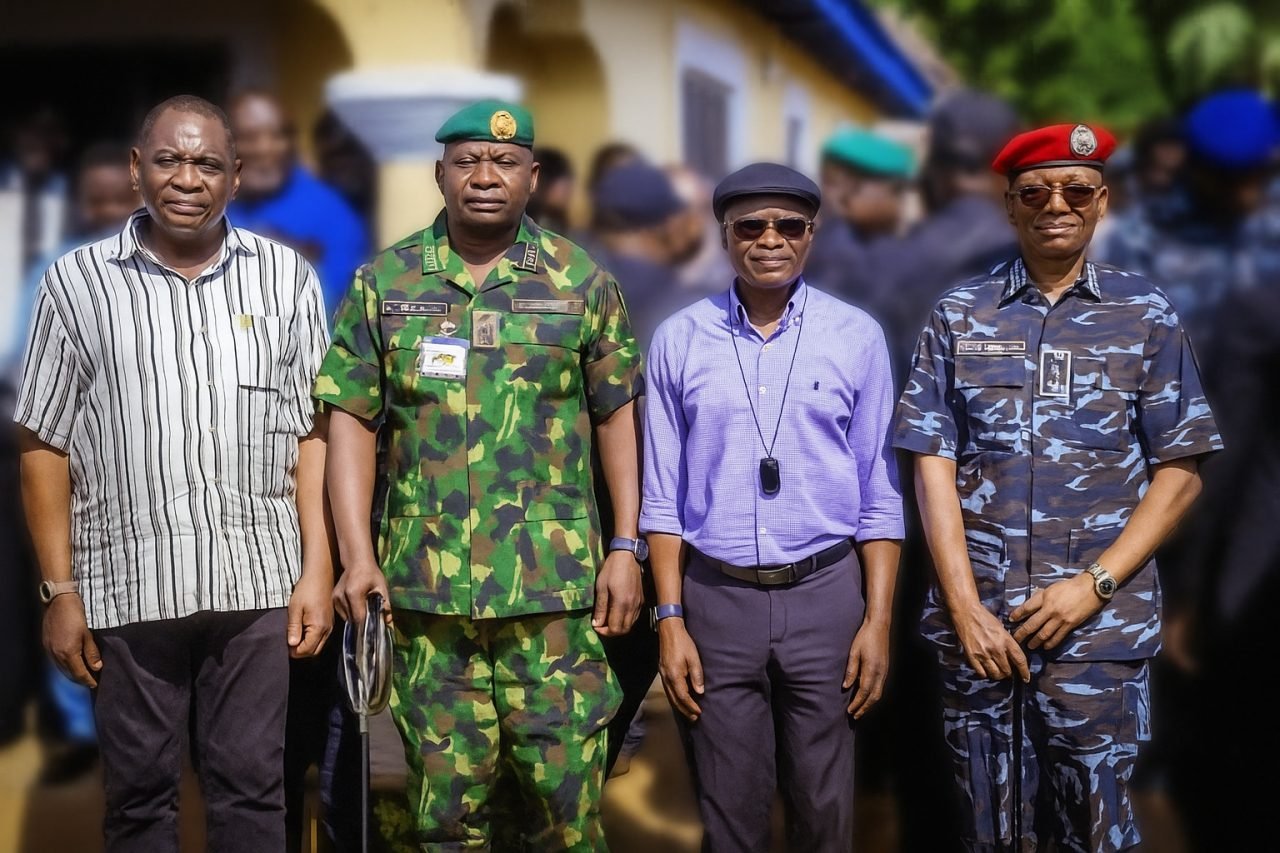
As President Bola Tinubu visits Benue State today, survivors of last Friday’s brutal attacks in Yelewata, Guma Local Government Area, have shared the horrifying experiences they endured when armed herdsmen attacked their community, killing over 200 people, mostly women and children.
In response to the escalating violence, Benue State Governor, Hyacinth Alia, rejected calls for self-defence by residents and instead urged for the establishment of a stronger community policing system. The Chief of Defence Staff, General Christopher Musa, has also called for self-protection measures, suggesting the formation of civilian joint task forces (CJTF) as seen in Borno, to protect local communities, while the United Nations demanded justice for the victims.
“I Lost 20 Members of My Family” – Michael Ajah
Michael Ajah, a survivor, recounted how he lost at least 20 members of his family in the attack. “In this house, 11 family members died, eight in the other store, and some died in other areas,” he said, adding that his store and home were completely destroyed. “They burned everything, our food, and my family. All we had were the clothes we wore when we escaped. This is all I have left,” Ajah said, visibly devastated.
Ajah described how the attackers stormed their home during a heavy rainstorm. “At 10:20 p.m., we heard gunshots, and before we realized it, Fulani men had entered. I recognized them by their voices,” Ajah explained. The marauding herdsmen also set fire to several homes, leaving death and destruction in their wake.
“My Family Was Burnt Alive” – Bature Bartholomew
Another survivor, Bature Bartholomew, shared that he lost his younger brother, sister-in-law, and mother in the attack. “My younger brother, his wife, and mother were burnt in their home. The cost of what I lost is in the millions,” he said, mourning both his family and his destroyed livelihood, as his grain stores were set ablaze.
“I Lost 8 Members of My Family” – Joseph Kwagh
Joseph Kwagh, who lost eight members of his immediate family, including his father, stepmother, and six siblings, described how the attackers had sent prior warnings to the community, which were dismissed as false alarms. “We thought it would be like past threats, but this time they were well-armed and intent on killing anyone they saw,” Kwagh said. When the attacks began, Kwagh’s family rushed to seek shelter, but by the time they arrived, chaos had ensued. “I later returned to find my family’s charred remains in the burned house,” Kwagh recounted, visibly shaken.
Kwagh expressed his devastation over the loss of both his family and his livelihood. “This tragedy has left a vacuum that I cannot fill. I’ve lost my savings, my foodstuffs, and my ability to farm. I don’t know what the future holds,” he said.
Governor Alia Rejects Calls for Self-Defence, Advocates Community Policing
Governor Hyacinth Alia rejected calls for residents to take up arms in self-defence, urging them to support the creation of a robust community policing system instead. “We cannot let emotions drive us into making decisions that could further jeopardize our safety,” Alia said in a recent interview, emphasizing the importance of local solutions to the state’s security challenges.
CDS Advocates for Civilian Joint Task Force
General Christopher Musa, the Chief of Defence Staff, pushed for the training of local youths as vigilantes under military supervision, akin to the model used in Borno State. During a meeting with traditional rulers in Makurdi, the Benue State capital, Musa stressed the need for a united effort to protect communities and confront the terror. “We cannot do it alone. We need the community’s support to address these attacks,” Musa said, adding that the military was reassessing its strategy to combat the growing violence.
Benue State has long been a target of herdsmen attacks, with tensions escalating due to disputes over land and grazing rights between indigenous farmers and nomadic cattle herders. The situation has led to years of deadly violence, leaving many communities devastated and struggling to recover.