
 Tech & Tools Desk
Confusion Surrounds Alleged Resignation of NNPCL GCEO Bayo Ojulari
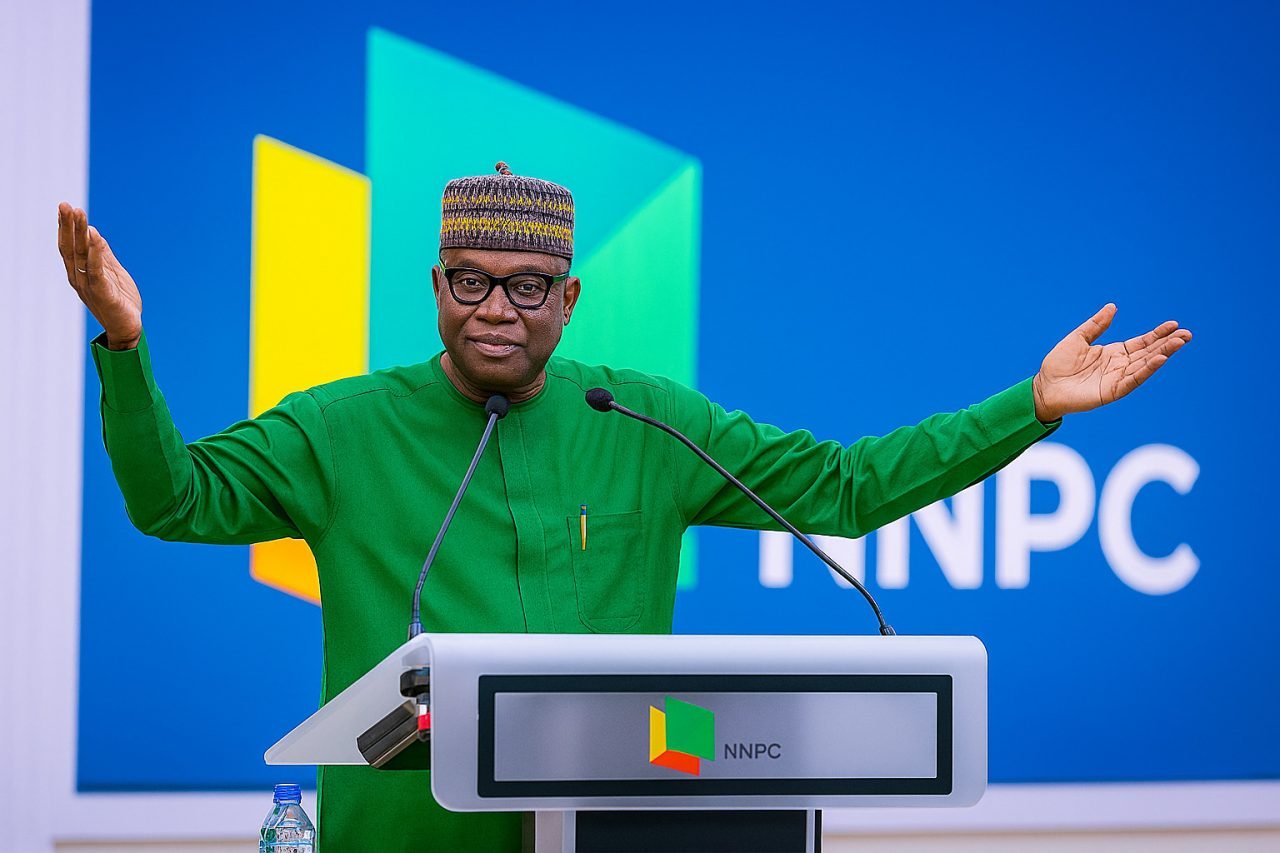
Uncertainty continues to trail the leadership of the Nigerian National Petroleum Company Limited (NNPCL) following reports that its Group Chief Executive Officer, Bayo Ojulari, was allegedly coerced into signing a resignation letter by operatives of the Economic and Financial Crimes Commission (EFCC) on Friday night.
According to sources, the incident which some have described as a “civilian coup” was reportedly executed without presidential approval. It was allegedly overseen by EFCC Chairman Ola Olukoyede and the Director-General of the Department of State Services (DSS), Adeola Ajayi.
However, the Presidency has denied these claims. Presidential spokesperson Bayo Onanuga stated on Saturday that Ojulari remains the substantive head of NNPCL. Ojulari, who was appointed in April 2025, has been leading a reform agenda within the corporation.
Efforts to obtain a response from EFCC spokesperson Dele Oyewale were unsuccessful as of press time.
Background of the Controversy
The unfolding situation is linked to a $21 million (₦34.65 billion) corruption scandal. Civil society groups such as OilWatch Nigeria and the Workers’ Rights Alliance have accused Ojulari of economic sabotage and called for his arrest and prosecution. Their allegations are based on claims that Abdullahi Bashir Haske a detained associate confessed to holding illicit funds on Ojulari’s behalf.
At a press briefing on 31 July at EFCC headquarters, the coalition blamed Ojulari for Nigeria’s refinery shutdowns and alleged a plot to privatize key NNPCL assets. A three-day protest was launched on 1 August at the National Assembly, NNPCL headquarters, and EFCC offices.
Further allegations involve a $21 million kickback scheme involving oil traders and pipeline contractors. The scandal reportedly came to light after Ojulari reassigned fund collection duties, prompting a whistleblower alert to the EFCC. Authorities subsequently froze the implicated account.
In a related development, the Socio-Economic Rights and Accountability Project (SERAP) had in May 2025 urged the EFCC and the ICPC to investigate allegations that NNPCL failed to remit ₦500 billion to the Federation Account between October and December 2024.
Divided Public Opinion
While some civil society groups are demanding accountability, others have rallied in Ojulari’s defence. The Coalition for Good Governance and Change Initiatives (CGGCI) and the Human Rights Writers Association of Nigeria (HURIWA) argue that the protests are politically motivated attempts to derail ongoing reforms.
These groups highlighted Ojulari’s achievements, including real-time monitoring systems, audits of legacy contracts, and efforts to ensure fuel availability, which they claim have significantly eased fuel queues across the country. They have urged President Tinubu to stand by Ojulari and continue supporting anti-corruption reforms in the oil and gas sector.
Critics, however, have raised red flags over alleged lavish spending, including a reportedly expensive retreat in Kigali that involved the use of private jets. There are also claims of a toxic work environment under Ojulari’s leadership, with multiple staff resignations cited.
The Niger Delta Environmental Justice Coalition (NDEJC) also condemned the reported EFCC-DSS operation, labelling it as politically charged. Still, the group acknowledged Ojulari’s contributions to improving oil production and boosting remittances to the national treasury.
As of 9:00 p.m. on Saturday, the EFCC had not issued any official statement on the alleged resignation, arrest, or investigation of Bayo Ojulari leaving the public with conflicting narratives and no clear resolution.