

 Lifestyle & Wellness Desk
Conservative Candidate Wins Costa Rica Presidency on Tough-on-Crime Platform
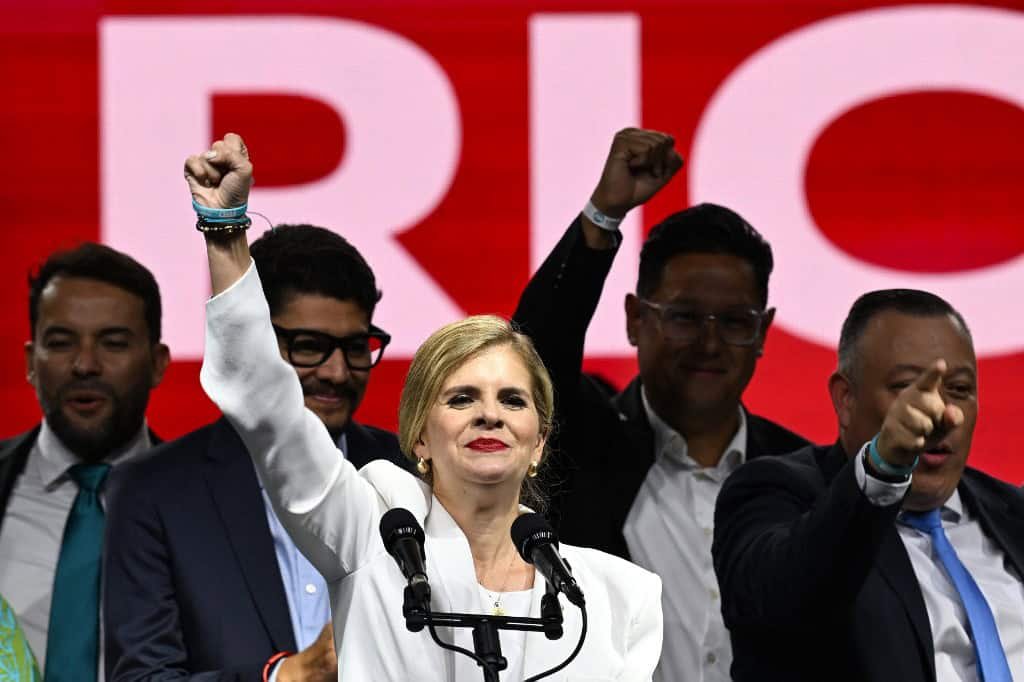
Laura Fernández, the candidate of Costa Rica’s governing conservative Sovereign People’s Party, has won the country’s presidential election.
With more than 88% of votes counted, Fernández secured over 48%, well ahead of centrist rival Álvaro Ramos, who conceded defeat. Her margin surpassed the 40% threshold required to win outright in the first round, eliminating the need for a run-off. She is scheduled to be sworn in on 8 May.
Fernández ran on a promise to continue the hardline crime policies of outgoing President Rodrigo Chaves, who had endorsed her as his successor. Concern over rising drug-related violence played a key role in her campaign. In her victory speech, the 39-year-old pledged to pursue the strategies introduced by Chaves, for whom she previously served as chief of staff. She also hinted at potentially appointing him to a cabinet position.
Costa Rica, traditionally one of Central America’s safest nations and a stable democracy, has experienced increasing gang activity and crime in recent years. Drawing inspiration from El Salvador’s President Nayib Bukele, Fernández plans to declare states of emergency in areas dominated by gangs and complete the construction of a high-security prison modeled after El Salvador’s Cecot facility.
Addressing critics concerned that her measures could infringe on civil rights, Fernández emphasised that her administration would uphold the rule of law, promote dialogue, and pursue national harmony. Yet she also criticised opposition lawmakers for “obstruction and sabotage,” referring to the challenges Chaves faced in passing policies in a legislature dominated by rival parties.
Her party currently holds 30 of the 57 seats in parliament, giving her stronger legislative backing than her predecessor. Fernández previously served as planning minister and in other government roles. She is widely seen as Chaves’ political heir, sharing his direct and sometimes confrontational style, and is expected to maintain Costa Rica’s close ties with the United States.
During Chaves’ administration, Costa Rica signed a “safe third-country” agreement with the US, allowing migrants from other nations to be sent to Costa Rica. The US has also cited Costa Rica as a key transit point for cocaine trafficking. Fernández has stated she is prepared to declare states of emergency and temporarily restrict some citizen rights if organized crime intensifies in certain regions.
Her election marks her as the second woman to lead Costa Rica, following Laura Chinchilla, who was elected in 2010.