

 Lifestyle & Wellness Desk
Cuba Removes 60-year Age Cap for Presidential Candidates
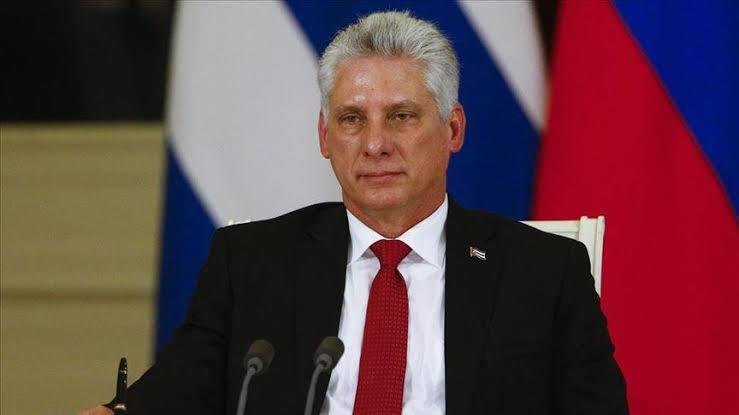
Cuba has removed the maximum age limit of 60 for presidential candidates as part of a constitutional reform recently approved by the country’s parliament. However, the existing rules requiring candidates to be at least 35 years old and limiting them to two five-year terms remain unchanged.
According to the president of the national assembly, the new measure allows individuals to run for president regardless of age, provided they are physically and mentally fit, and have demonstrated loyalty and a strong revolutionary background.
Former president Raúl Castro, who is 94 and still serves in the assembly, was the first to cast his vote in favor of the reform. The change is set to apply to the 2028 presidential elections. Cuba’s current leader, Miguel Díaz-Canel, now 65, was first elected in 2018 and re-elected in 2023. So far, no successor has been named publicly.
When the 2019 constitution introduced term and age limits, it marked a major departure from nearly sixty years of leadership dominated by Fidel Castro and his brother Raúl. Fidel stepped down in 2006 due to health issues and passed away in 2016. Raúl officially became president in 2008 at the age of 76 and retired from his final leadership role in 2021, handing over to Díaz-Canel.
Today, Cuba faces one of its most severe economic crises in decades, with widespread shortages, frequent power outages, and a significant wave of emigration.