

 Lifestyle & Wellness Desk
Education Minister Urges Dialogue to Resolve FCT Teachers’ Strike
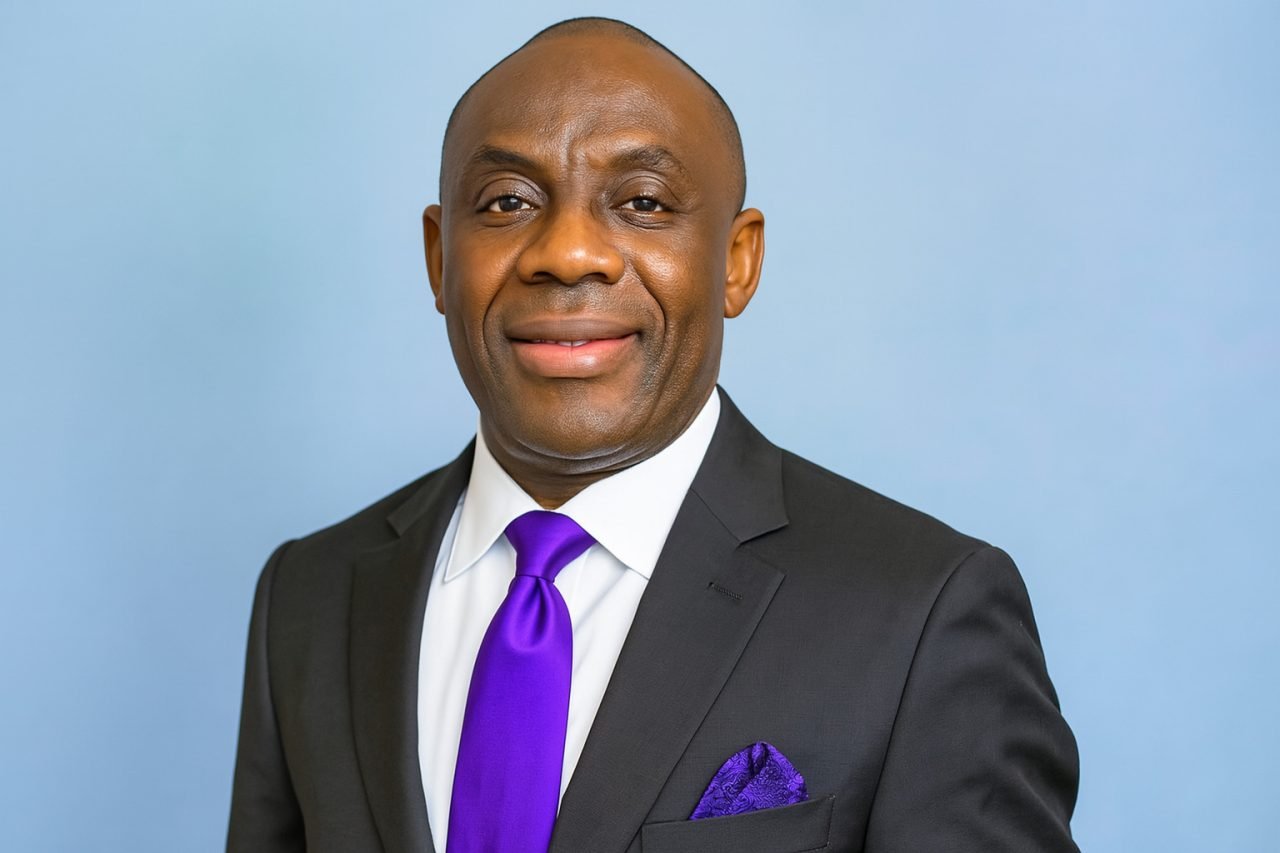
The Minister of Education, Dr. Olatunji Alausa, has called for dialogue and collaboration to address the concerns raised by the Nigeria Union of Teachers (NUT), FCT Chapter, over the ongoing teachers’ strike.
The strike stems from issues surrounding the implementation of the new National Minimum Wage for primary school teachers in the Federal Capital Territory.
In a statement released on Monday in Abuja by the Director of Press and Public Relations, Folasade Boriowo, the minister expressed concern over the situation and stressed the need for unity and swift resolution to avoid prolonged disruption to learning.
Dr. Alausa acknowledged the crucial role teachers play as the foundation of Nigeria’s educational system, noting that the ministry had carefully reviewed the communiqué issued by the NUT FCT Wing following its Emergency State Wing Standing Committee (SWSC) meeting held on March 22, 2025, in Gwagwalada, Abuja.
While the management of LEA primary schools in the FCT is the responsibility of the six Area Councils and their respective Local Education Authorities (LEAs), the minister recognised the decentralised governance structure and pledged the continued support of the federal ministry.
He reaffirmed the ministry’s commitment to ensuring the welfare, dignity, and professional development of teachers nationwide. Dr. Alausa also noted that the Federal Ministry of Education, the FCT Administration, the Universal Basic Education Commission (UBEC), and other relevant agencies would continue constructive engagement to resolve the issues at hand.
He appealed to Area Council Chairmen to take decisive steps to achieve an amicable solution.
“In the spirit of cooperative governance and shared responsibility, the ministry will continue to mediate and promote constructive dialogue among all stakeholders,” Alausa said, adding that it was essential to safeguard pupils’ education from disruptions caused by administrative disagreements.
The minister also highlighted ongoing reforms under President Bola Tinubu’s Renewed Hope Agenda, which include infrastructure development, digital learning initiatives, curriculum upgrades, and teacher capacity building.
“These national efforts must be complemented by fairness, equity, and responsiveness to the needs of teachers,” he emphasised.
Dr. Alausa urged all stakeholders, including unions, Area Councils, and education administrators, to approach the matter in good faith, stressing that dialogue, transparency, and collective responsibility are essential to preserving the integrity of Nigeria’s basic education system.
(NAN)