
 Lifestyle & Wellness Desk
Faulty Pilot Seat Blamed for Air India Crash, Investigation Finds
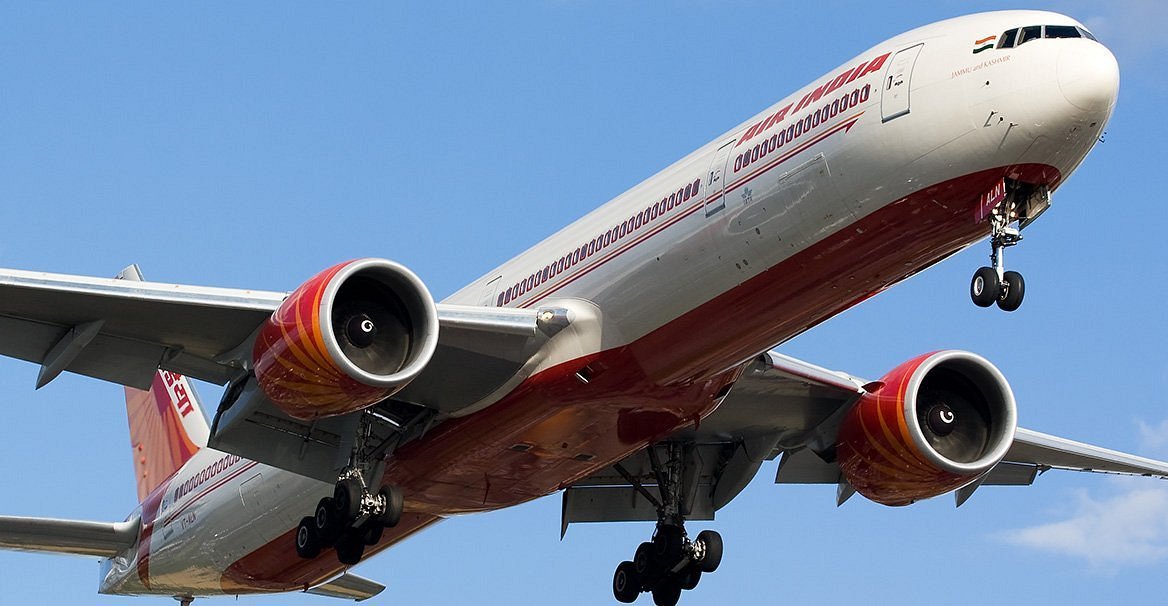
A malfunctioning locking mechanism on the captain’s seat was the root cause of the Air India Boeing 787 crash that claimed 270 lives, according to a preliminary investigation report.
The report revealed that the captain’s seat unexpectedly slid backward during takeoff, causing the pilot to unintentionally pull the throttle levers to idle. This sudden reduction in engine power occurred just seconds after liftoff, leading to the aircraft stalling and crashing into a nearby building that housed medical workers.
The co-pilot’s efforts to regain control were hindered by the captain’s reclined position, investigators added.
Key cockpit recordings revealed the following timeline:
- 12 seconds after takeoff: The captain’s seat slides backward.
- 15 seconds: The co-pilot shouts, “We’re losing thrust!”
- 26 seconds: The aircraft stalls at an altitude of 214 feet.
The investigation also highlighted missing safety features in the 787’s throttle system, including protections against reverse movement and weight-based lockouts that could have prevented the accident.
In response to the findings, aviation regulators in the U.S. (FAA) and Europe (EASA) have ordered immediate inspections of all Boeing 787 pilot seats.
Air India has grounded 12 aircraft with similar maintenance histories, while Boeing has committed to redesigning the affected seats by 2026.
The tragic crash resulted in the deaths of passengers, crew members, and residents of the building struck by the plane. A British national was the sole survivor.
The final investigation report is expected in July, with aviation authorities pledging stricter inspections and broader global safety reforms.