

 Edupreneur Insights Desk
From Crisis to Calm: How Canadian Schools Are Supporting Students Through Trauma
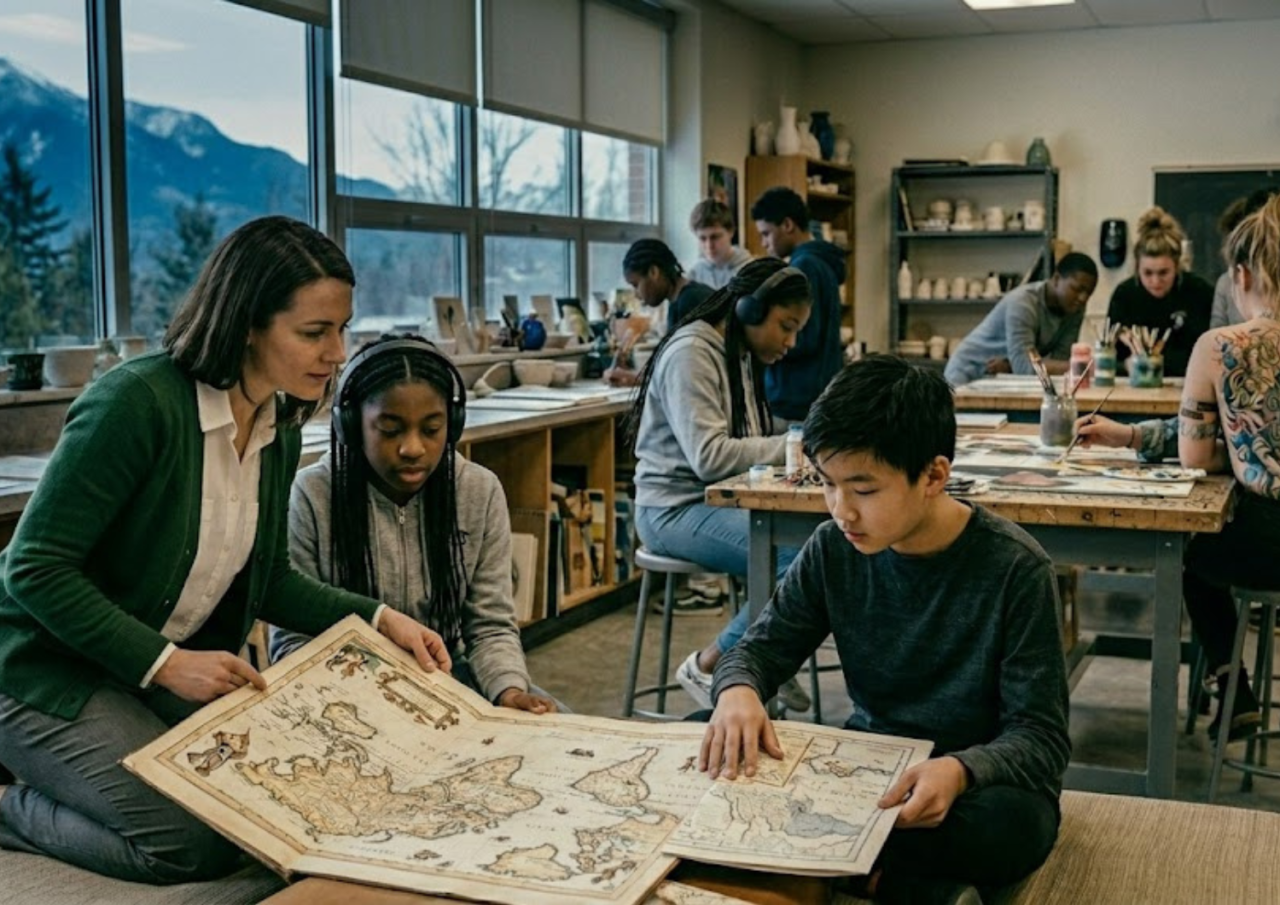
The British Columbia School Counsellors’ Association (BCSCA) recently released a comprehensive framework designed to assist educators in navigating the aftermath of tragic events. This guidance arrives at a critical juncture for the global education sector, which increasingly faces the challenge of maintaining learning environments amidst external crises—ranging from localized violence to international conflicts.
The core of the initiative is a shift from reactive crisis management to a proactive, trauma-informed pedagogical approach. By focusing on emotional regulation, factual clarity, and the maintenance of routines, the framework aims to mitigate the long-term psychological impact on students while preventing the fragmentation of diverse school communities.
Why This Matters
School Leaders and Educators
For those on the front lines, the guidance provides a standardized protocol to replace improvisation during high-stress periods. It emphasizes that a teacher’s primary role during a crisis is “modeling calm”—a form of emotional leadership that stabilizes the classroom. This matters because untreated secondary trauma can lead to educator burnout and a breakdown in the school’s social fabric.
Professionals (HR and Instructional Design)
The principles of “psychological safety” outlined here are directly transferable to the corporate world. Professionals in Human Resources and Instructional Design can adapt these methods—such as validating distress and maintaining predictable structures—to support workforce resilience when external tragedies affect employee mental health and productivity.
Households and Individuals
Parents and caregivers are often the first to witness “regression” (changes in sleep or behavior) in children. This framework provides a vocabulary for families to understand these changes not as “bad behavior,” but as a natural response to a perceived lack of safety. It empowers households to mirror school-based strategies, creating a consistent environment for the child.
Students and Academics
For older students and the academic community, the focus on “student agency” is vital. It recognizes that for many, the path to healing is through action—organizing, creating, and problem-solving. This shifts the narrative from students as passive victims of news cycles to active participants in community restoration.
Implications and Emerging Signals
The release of this guidance reflects several broader shifts in the global educational and social landscape:
- The De-Stigmatization of “Not Knowing”: There is a growing trend in leadership—both in schools and business—toward “honest uncertainty.” Modeling that it is okay to not have all the answers builds more trust than providing forced or premature conclusions.
- The Rise of Neuro-Inclusive Crisis Management: For the first time, we are seeing significant emphasis on how traumatic events specifically affect neurodiverse individuals (those with Autism, ADHD, or sensory processing differences). The signal here is clear: crisis support must be as diverse as the population it serves.
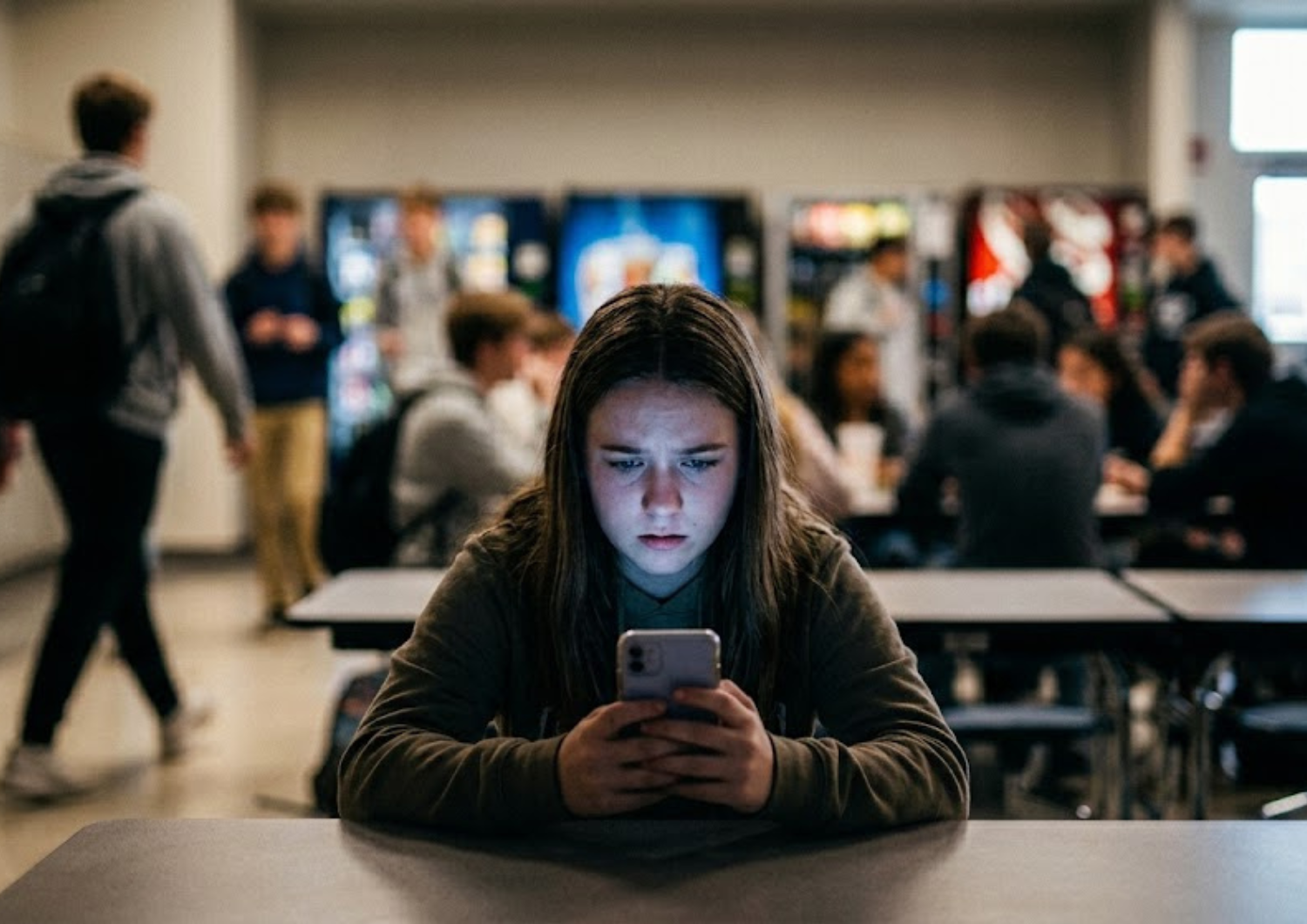
- Combatting “Digital Contagion”: The explicit instruction to limit short-form, graphic media exposure highlights a growing consensus that the “24-hour news cycle” and social media algorithms are active contributors to youth anxiety and community prejudice.
- Community Cohesion as a Security Measure: The shift toward emphasizing that no single ethnic or religious group is responsible for a tragedy is a strategic move to prevent radicalization and social fracturing in multicultural societies like the UK, US, and Canada.
Key Takeaways
- Prioritize Routine Over Curriculum: In the immediate wake of a tragedy, the stability of a predictable schedule provides more “educational value” than the lesson plan itself.
- Monitor for Regression: Watch for behavioral changes across all age groups—from clinginess in younger children to irritability or withdrawal in adolescents—as these are primary indicators of distress.
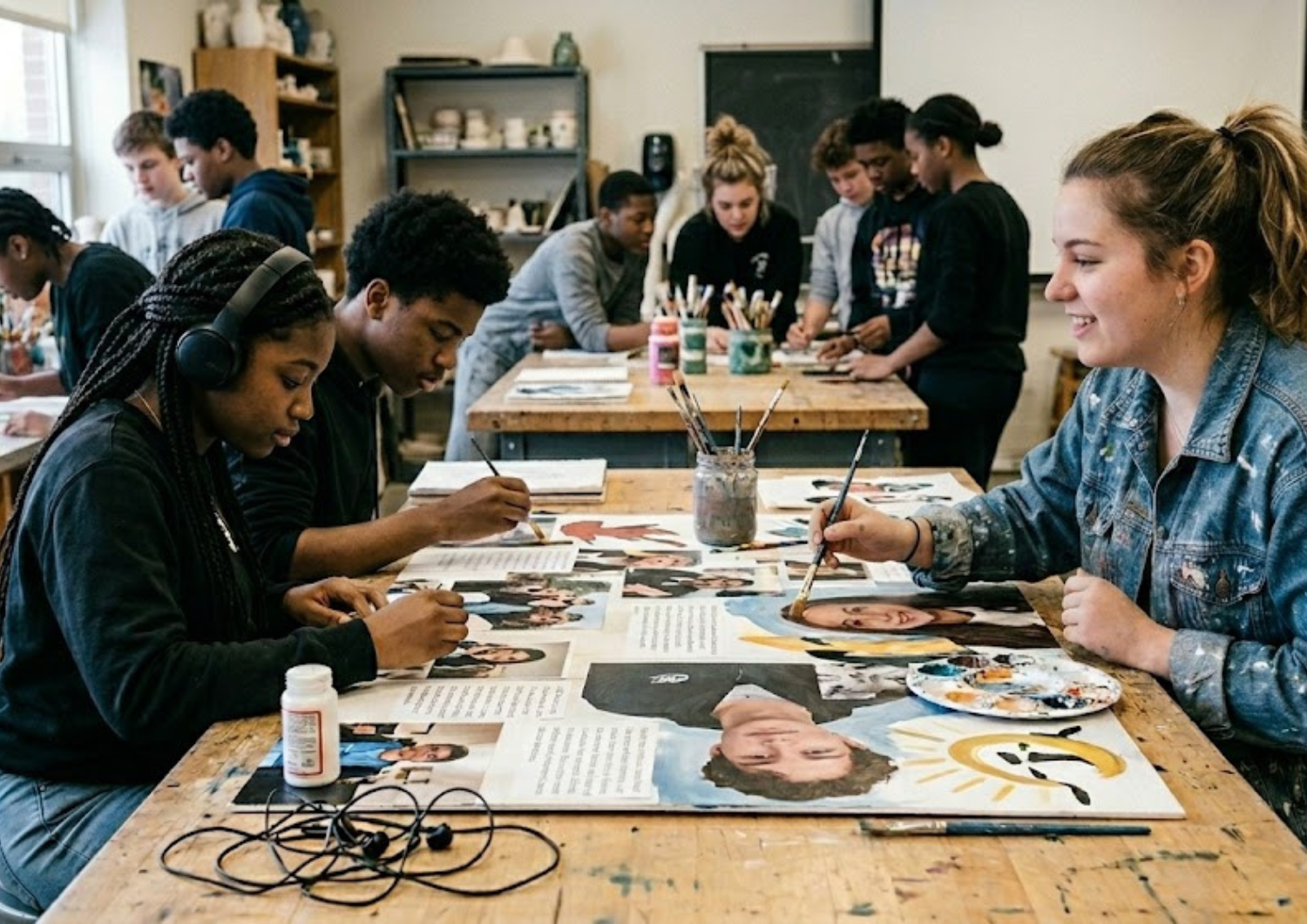
- Empower Through Agency: Support students who wish to take prosocial actions (memorials, advocacy, or helping others). “Doing” is a sophisticated form of coping that restores a sense of control.
- Correct Misinformation Gently: Children often hold fragmented or inaccurate views of events. Providing simple, age-appropriate facts helps prevent the development of fear-based prejudices.
- Listen More, Speak Less: Children do not need perfect answers; they need a calm, steady adult presence that validates their feelings without judgment.
This framework underscores a fundamental truth for the modern “edupreneur” and leader: in an era of global volatility, the ability to foster emotional and community resilience is just as critical as the ability to deliver technical or academic content.