

 admin
adminNIGERIA FACES NINTH POWER GRID COLLAPSE IN 2024, WIDESPREAD BLACKOUTS PERSIST
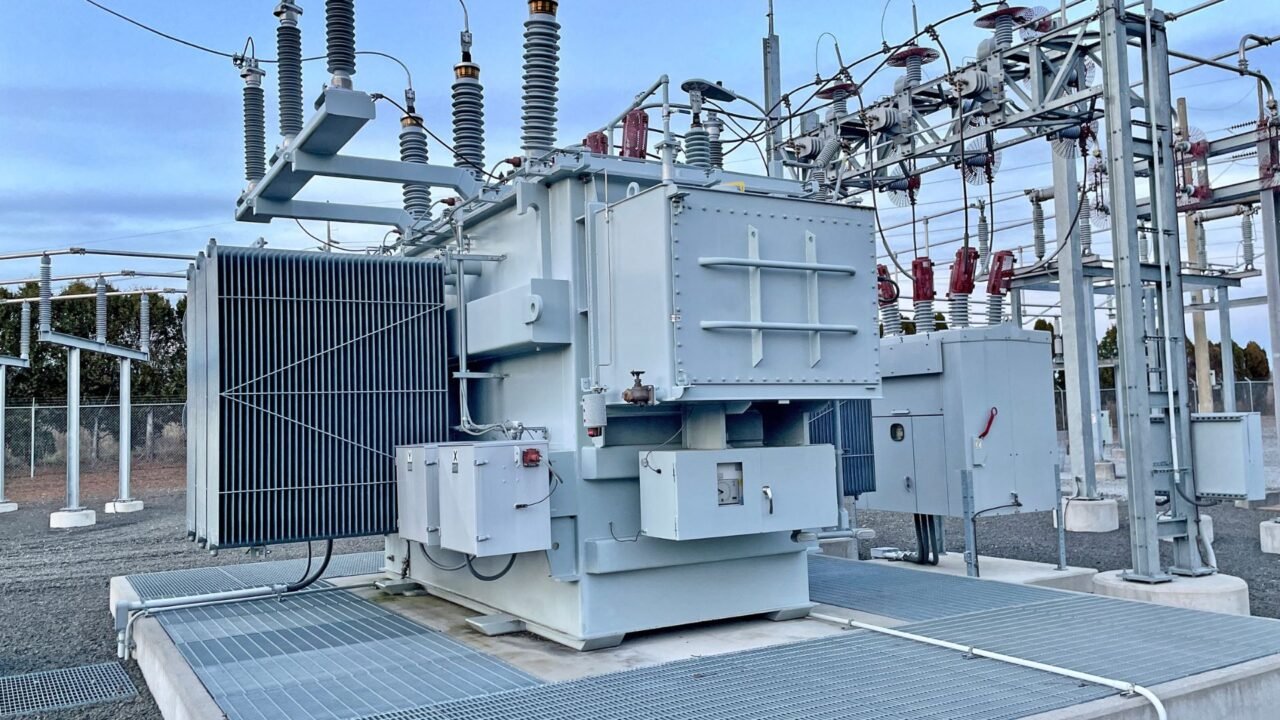
On November 5, 2024, Nigeria’s national power grid experienced yet another partial collapse, resulting in extensive blackouts across the country. This marks the ninth instance of a grid failure this year, a worrying pattern that has left millions of Nigerians in the dark and brought attention to the persistent issues within the nation’s energy infrastructure.
Background and Impact:
The repeated collapses of Nigeria’s power grid underscore a long-standing problem in the country’s electricity sector. The blackouts have affected households, businesses, and essential services, disrupting daily life and economic activity. For many Nigerians, power outages are a common occurrence, but the frequency and scale of these recent failures have heightened concerns. Many regions are left without reliable electricity for days, pushing citizens and businesses to rely heavily on expensive and environmentally taxing generators.
Causes of the Grid Failures:
Industry experts attribute the grid’s instability to several factors, including underinvestment in infrastructure, outdated equipment, and a lack of consistent maintenance. The energy infrastructure, much of which dates back decades, struggles to handle the current demand, which has surged as Nigeria’s population and economy grow. Frequent equipment malfunctions, fuel supply issues, and occasional attacks on energy infrastructure further complicate the situation.
Government Response and Future Plans:
The Nigerian government has acknowledged the issues plaguing the power sector, pledging reforms aimed at improving grid stability and energy distribution. Recently, the Federal Ministry of Power announced plans to upgrade aging infrastructure and introduce more reliable energy sources, such as renewable power. However, these projects are in their early stages, and many Nigerians remain skeptical about when they will see tangible improvements.
Economic Implications:
Frequent power outages are not just an inconvenience; they carry significant economic consequences. Industries relying on continuous power, such as manufacturing and technology, face increased operational costs due to reliance on alternative power sources like diesel generators. This increased cost of doing business deters investment, reduces productivity, and hampers economic growth. Small businesses, in particular, bear the brunt, as they often lack the resources to maintain backup power sources, leading to disrupted operations and reduced profitability.
The Path Forward:
To address the crisis, experts suggest a multi-pronged approach involving increased government funding, private sector involvement, and a strategic shift toward renewable energy sources. While Nigeria has abundant resources for solar and wind energy, the transition to renewables has been slow. Expanding these resources could provide a sustainable solution to the grid’s instability, easing reliance on conventional power sources.
Public Reaction:
Public frustration has been mounting, with Nigerians taking to social media to express their dissatisfaction with the repeated power outages. Many citizens are calling for immediate action and greater transparency from the government on its plans to address the crisis. In a country with Africa’s largest economy, the current state of electricity infrastructure remains a critical issue that the government must prioritize.
Conclusion:
The ongoing power grid challenges in Nigeria highlight the urgent need for comprehensive reforms in the energy sector. As the country continues to grow, addressing these issues will be crucial not only for improving citizens’ quality of life but also for supporting economic stability and attracting investment. Until meaningful improvements are made, Nigerians are left navigating the difficulties of an unreliable power supply, impacting every facet of daily life and business.

