

 Tech & Tools Desk
FX Reserves Stall as Naira Weakens By ₦10 To the Dollar
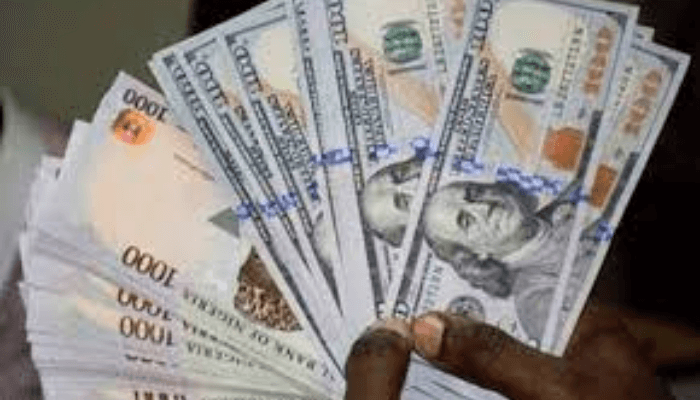
Nigeria’s external reserves have paused their two-month upward trajectory, which saw them surpass the $45 billion mark in December.
The first decline in over two months was recorded on 15 December, when the reserves slipped to $45.32 billion from $45.47 billion. This was followed by a further drop to $45.27 billion, before a day-on-day decline of $57.05 million reduced the reserves to $45.21 billion as of 17 December 2025. As a result, year-to-date gains eased to 10.60 per cent, according to AIICO Capital. Prior to this, the last decline was recorded on 8 October, when reserves stood at $42.56 billion.
Data from the Central Bank of Nigeria (CBN) show that external reserves had risen consistently over the past three months. They closed September at $42.35 billion, increased to $43.19 billion in October, and reached $44.69 billion by 28 November. The $45 billion threshold was crossed on 4 December 2025 after a $74.93 million increase lifted reserves to $45.04 billion.
Meanwhile, the naira weakened by ₦10 to the dollar over the past week, closing at ₦1,464.50/$ on Friday, driven by sustained demand pressure at the official foreign exchange window. At the parallel market, the naira exchanged at ₦1,510.00/$, according to CardinalStone.
In its weekly market update, AIICO Capital noted that the naira depreciated despite ongoing interventions by the CBN and inflows from foreign portfolio investors. The firm reported that the currency weakened by ₦10.09/$, representing a 0.69 per cent week-on-week decline. During the week, the naira traded within a range of ₦1,450.00 to ₦1,469.90 per dollar, with a brief appreciation recorded on Tuesday.
Looking ahead, the naira is expected to strengthen gradually over the next six months, according to the CBN’s November 2025 Business Expectations Survey. The survey, which sampled businesses nationwide, projects an improvement in the naira’s outlook index from 28.8 points to 42.2 points by May 2026, signalling expectations of increased currency stability into the new year.