

 Ifunanya Okafor
Global Markets Plunge as Trump’s Tariffs Spark Trade War with Canada, Mexico, and China
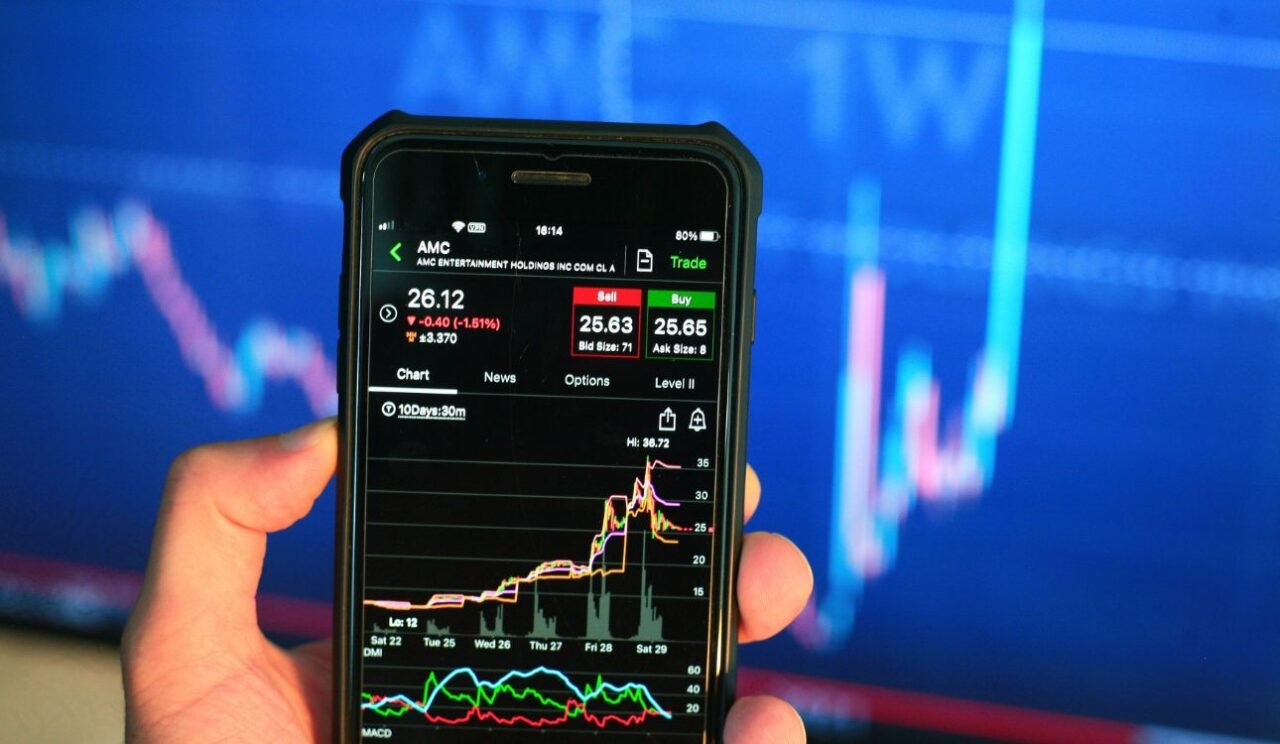
The U.S. dollar surged to multi-year highs on Monday, while the Canadian dollar, Mexican peso, and Chinese yuan tumbled after President Donald Trump imposed sweeping tariffs on America’s top trading partners. The move has triggered fears of a global trade war, sending stock markets into a sharp decline.
Immediate Market Reaction
- The Chinese yuan fell to a record low in offshore trading.
- The Canadian dollar hit its weakest level since 2003.
- The Mexican peso dropped to its lowest value since 2022.
- The euro sank to a two-year low, while the Swiss franc, typically a safe-haven currency also weakened.
Trump’s Tariffs and Retaliation
Trump’s tariffs, which took effect on February 4, impose:
- 25% duties on Canadian and Mexican imports
- 10% tariffs on Chinese goods
The White House justified the move as a necessary step to curb illegal immigration and drug trafficking. However, Canada and Mexico retaliated immediately, announcing countermeasures, while China vowed to challenge the tariffs at the World Trade Organization (WTO).
Stock Market Fallout
The global markets responded swiftly, with investors fearing higher inflation and slower economic growth:
- Japan’s Nikkei 225 fell 2.9%
- Australia’s ASX 200 dropped 1.8%
- Hong Kong stocks fell 1.1%
- U.S. S&P 500 futures and European STOXX 50 futures both sank by 2%
Economic Outlook: Recession Risks & Stagflation
Financial analysts warn that Trump’s aggressive trade policies could slow U.S. economic growth by 1.5 percentage points this year. Greg Daco, chief economist at EY, predicts the move will:
✔ Push Canada and Mexico into a recession
✔ Create stagflation in the U.S. (a mix of slower growth and higher inflation)
✔ Trigger a global trade war
“This early strike, just two weeks into Trump’s new term, will likely shake investor confidence,” said Mansoor Mohi-uddin, chief economist at Bank of Singapore.
What’s Next?
With the Federal Reserve reassessing its interest rate strategy and global markets bracing for further turbulence, all eyes are on China and the European Union for their next moves. Economists fear a prolonged dispute could disrupt supply chains and drive up prices for American consumers.
Bottom Line:
Trump’s tariffs have shaken global markets, triggered retaliation from key trading partners, and raised fears of a recession. As trade tensions escalate, investors are preparing for a volatile road ahead.