

 Ifunanya Okafor
Gombe Snakebite Hospital MD Warns of Anti-Snake Venom Shortage
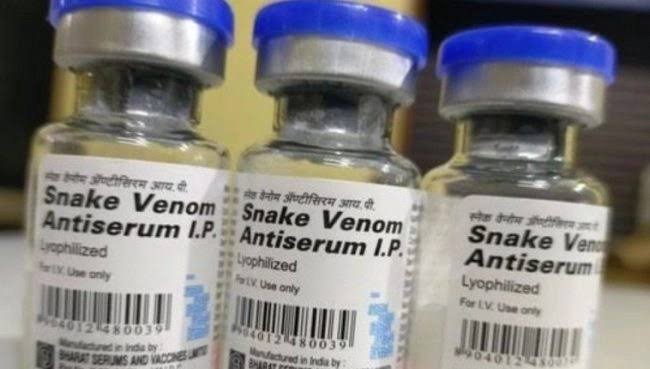
The Medical Director of the Snakebite Hospital and Research Centre, Kaltungo, Gombe State, Dr. Nicholas Amani, has described anti-snake venom as a scarce resource worldwide, citing that most victims are poor, rural farmers with limited social or political influence.
Amani made the remarks in a telephone interview on Sunday while responding to the death of aspiring singer Ifunanya Nwangene, who reportedly died from a snakebite in Abuja on Saturday. Nwangene, 26, gained national recognition after appearing on The Voice Nigeria in 2021 and was known for her unique mix of jazz, opera, classical music, and soul.
Discussing the challenges of snakebite management in Nigeria and globally, Amani said: “Anti-snake venom is a scarce commodity everywhere. Snakebites mainly affect the less privileged—farmers and rural dwellers—people who do not have a strong voice.”
He explained that the marginalisation of victims has led to chronic underinvestment in the production and distribution of anti-snake venom worldwide. “At conferences and international meetings, the issue is always the same: scarcity. Free anti-snake venom is almost nonexistent, and most are sold through pharmacies,” he added.
Amani noted that even specialised hospitals lack sufficient supplies. “Even in specialised facilities, we currently do not have anti-snake venom. The government is making efforts to provide it, but the process is still ongoing,” he said.
Using Kaltungo as an example, he added that patients often have to source the life-saving drug from private vendors. The hospital treats patients from across Nigeria’s North-East and neighbouring countries, including Cameroon. “Even here, pharmacists and business people supply the anti-venom. Patients must buy it themselves. Scarcity is real,” Amani said.
He stressed that the core problem is the lack of advocacy for those most affected. “The victims don’t have a voice. We raise awareness so the government and NGOs will listen and understand the situation,” he added.
While acknowledging government efforts, Amani said public intervention alone is insufficient. “Government is doing a lot, but once anti-snake venom arrives, it is quickly exhausted. NGOs and other organisations must step in as well,” he said.
He also highlighted the challenges of local production. “Producing anti-snake venom locally requires huge financial and technical investment, technology transfer, overseas training, specialised equipment, and sustained funding. This isn’t like producing a COVID-19 vaccine overnight,” he explained.
Regarding the cost to patients, Amani described it as devastating. “A vial currently costs about ₦250,000, and some patients need two or three vials. Many victims are very poor and sell land or belongings just to afford one vial,” he said.
Amani emphasized that the deaths of young Nigerians, such as Ifunanya Nwangene, highlight the urgent need to address snakebite as a neglected public health emergency. “We are taking steps, but we need sustained commitment, more funding, local production, and strong partnerships to effectively tackle this problem,” he added.
The Toxinological Society of Nigeria has previously urged the Federal Government to fund snakebite control, noting that Nigeria records around 43,000 cases annually, with 1,900 deaths. At the society’s 2nd Annual General Meeting on Snakebite Management and Research Interventions, held from September 14–17, 2025, at Gombe State University, over 1,000 participants—including policymakers, researchers, clinicians, traditional leaders, and students—discussed the issue through 34 scientific papers and two plenary presentations.
The society warned that snakebite envenoming continues to cause preventable deaths, amputations, kidney failure, and disabilities in vulnerable communities. Without decisive action, the cycle of poverty and suffering will persist.