
 Lifestyle & Wellness Desk
Insurgency: Experts Advise FG To Exercise Caution Over US Assistance
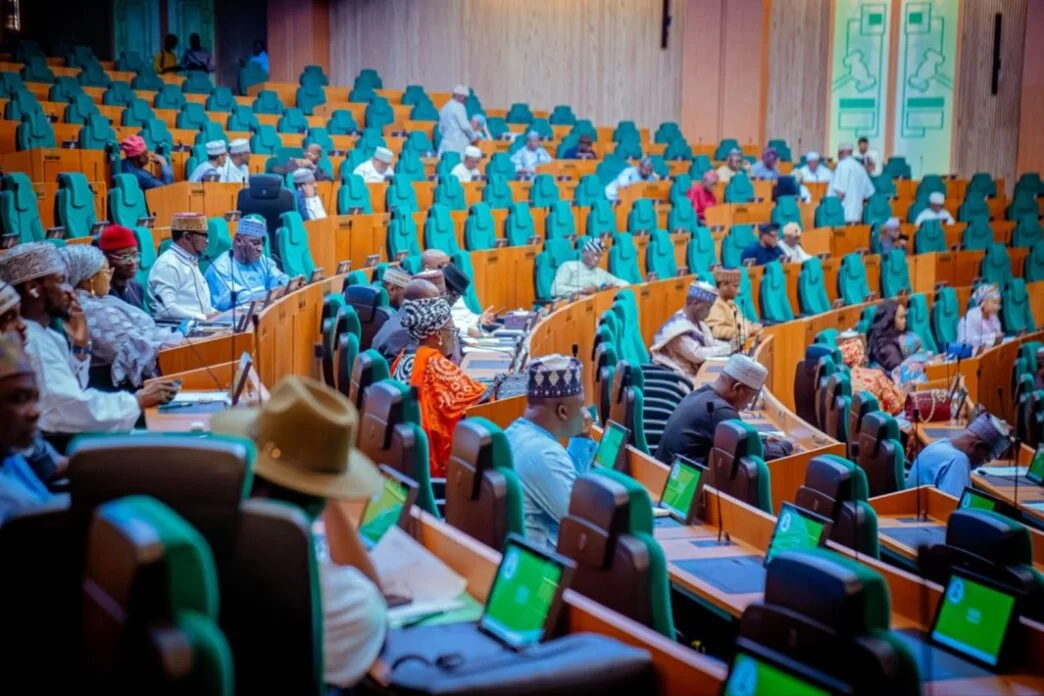
Experts in international relations and political science have urged the Federal Government to exercise caution in seeking support from the United States in Nigeria’s fight against terrorism. The advice came during a roundtable on Wednesday at the Nigerian Institute of International Affairs (NIIA), Lagos, themed “Nigeria–USA Relations: Matters Arising.”
Participants included Prof. Femi Otubanjo, Prof. Hassan Saliu, Prof. Funke Okoome, Prof. Jibo Ibrahim, Prof. Dapo Thomas, Magnus Onyibe, Prof. Adele Jinadu, and Prof. Eghosa Osaghae.
The scholars acknowledged the importance of engagement with the US but warned that foreign assistance is not always altruistic. Prof. Funke Okoome, a political science expert, noted that the US is likely motivated by strategic and business interests. She stressed that Nigeria should prioritise national interest in negotiations and not rely solely on foreign intervention.
Okoome added that the government has historically delayed fulfilling its core security responsibilities until prompted by external actors. “Weak countries like ours can work with stronger nations, but we must recognise there is no magnanimity. The US operates transactionally,” she said.
Prof. Dapo Thomas highlighted Nigeria’s failure to maintain a standing committee on US relations, noting that it was only following former President Trump’s threat that a special committee, led by National Security Adviser Nuhu Ribadu, was formed to negotiate with the US. He stressed the importance of continuous engagement while asserting Nigeria’s sovereignty.
Prof. Femi Otubanjo observed that a breakdown in traditional government-to-government channels forced the US to engage directly with Nigerians for security updates. He noted that while US support is needed, the country must hold its leaders accountable and not wait for foreign pressure to act.
Other experts, including Magnus Onyibe, called for strategic engagement with the US, stressing Nigeria’s need for help in both security and economic development. Onyibe criticized the administration’s earlier focus on economic reforms while security and international relations were neglected until external pressure arose.
Prof. Hassan Saliu described Nigeria–US relations as historically “volatile,” citing differences over human rights, decolonisation, mineral resources, and foreign policy. Prof. Jibo Ibrahim labelled Trump’s threat as an attempt to pressure weaker nations, noting the US prioritises its interests first and may be seeking influence in Africa following shifts in the Sahel region.
Prof. Adele Jinadu raised concerns over Nigeria’s diminishing focus on Africa in its foreign policy, pointing to closer ties with France and internal political elite divisions. She urged the government to strengthen Africa-centered policies and assert its position on the continent.
Prof. Eghosa Osaghae, NIIA Director-General, supported continued engagement with the US while calling on the government to demonstrate stronger domestic security measures before discussing long-term strategies.
The roundtable concluded that Nigeria must maintain a careful, strategic approach in its international partnerships, balancing the need for external support with the protection of national sovereignty and long-term interests.