

 Lifestyle & Wellness Desk
Iran’s Arab Neighbours Condemn Israeli Strikes Amid Fears of Widening Regional Conflict
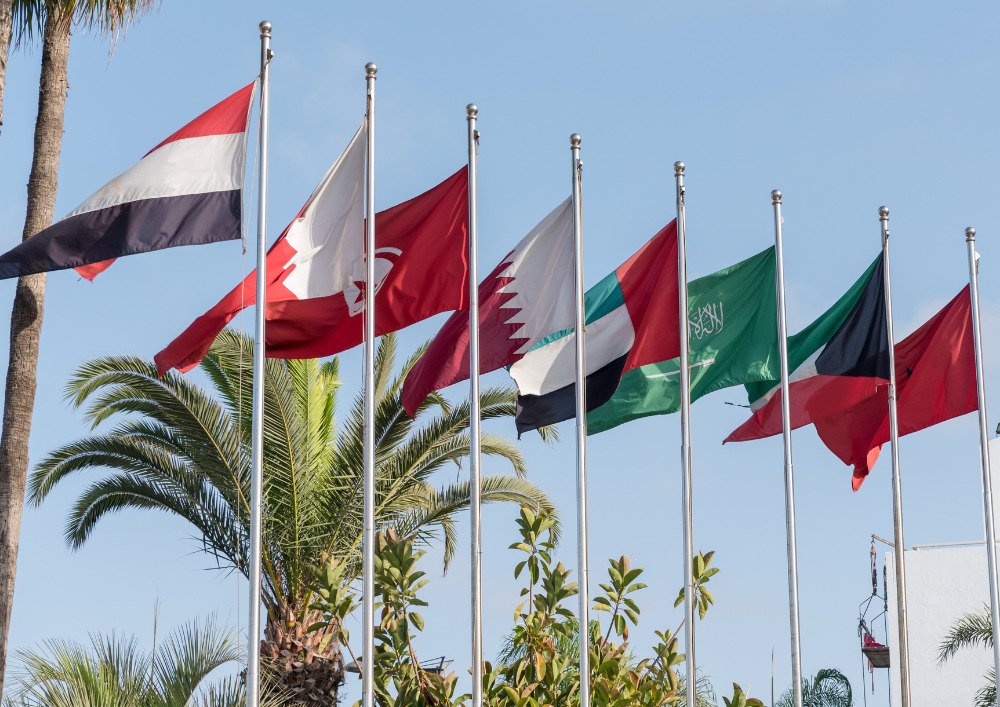
Several Arab nations have publicly condemned Israel’s recent strikes on Iran, as concerns grow that the escalating conflict could engulf the broader Middle East. The condemnations also reflect a clear desire by these countries to avoid being drawn into the hostilities.
Saudi Arabia issued a sharp rebuke, expressing “strong condemnation and denunciation” of Israel’s targeting of Iran’s nuclear facilities and senior military figures.
“While the Kingdom condemns these heinous attacks, it affirms that the international community and the [UN] Security Council bear a great responsibility to halt this aggression,” the Saudi Foreign Ministry stated.
Though longtime rivals, Iran and Saudi Arabia have recently improved diplomatic ties after years of tension rooted in religious and geopolitical competition.
The United Arab Emirates (UAE) — which normalized relations with Israel in 2020 through the Abraham Accords — condemned the strikes “in the strongest terms.”
Qatar, which Israeli officials have accused of supporting Hamas, called the Israeli attacks “a blatant violation of Iran’s sovereignty and security.”
Both Qatar and the UAE host significant U.S. military presences, heightening concerns that they could become targets if Iran opts to retaliate against U.S. interests in the region.
Oman, which has been mediating ongoing talks between Washington and Tehran, described the Israeli strikes as “reckless” and carried out at “an extremely sensitive time” for nuclear negotiations.
Lebanon’s Prime Minister Nawaf Salam, who is seeking to reduce Iranian influence in Lebanon, also condemned the Israeli operation.
“This dangerous Israeli aggression constitutes a flagrant violation of international law and Iranian sovereignty, and its repercussions threaten the stability of the entire region and even world peace,” Salam warned.
Why Did Israel Attack Iran?
The Israeli strikes on Iran’s nuclear facilities come after months of mounting warnings and escalating tensions — both strategic and political.
Strategic Imperatives:
U.S. intelligence agencies have warned since February that Israel was likely preparing to target key components of Iran’s nuclear program this year. Israeli Prime Minister Benjamin Netanyahu has long advocated for a military option to halt Iran’s nuclear ambitions.
Recent U.S. intelligence also suggests that Israel is looking to build on gains from its October strikes, which damaged Iran’s missile production infrastructure and air defenses.
More broadly, one intelligence report indicated that Israel still harbors a long-term goal of seeking regime change in Iran.
An Existential Threat:
For years, Israel has viewed Iran’s nuclear ambitions as an existential threat. Iran refuses to recognize Israel’s right to exist, and Israeli officials fear that a nuclear-armed Iran would fundamentally alter the region’s security landscape.
Israel and Iran have been engaged in a shadow war for decades — waged through proxy forces and covert operations. Iran has armed and supported groups like Hezbollah in Lebanon, Hamas in Gaza, and the Houthis in Yemen — all of whom have engaged in direct hostilities with Israel.
Since Israel’s war in Gaza began, Iranian-backed proxy attacks have increased in solidarity with the Palestinians.
Domestic Politics:
Netanyahu is also facing intense domestic political pressure. Opposition to a controversial new military conscription bill has triggered a political standoff, with Israel’s parliament (the Knesset) recently debating whether to dissolve itself — a move that could have forced early elections, which polls suggest Netanyahu would likely lose.
A key vote to dissolve parliament failed on Wednesday, giving Netanyahu a temporary reprieve but leaving the political crisis unresolved.
Why Now:
The immediate trigger for Israel’s strikes was a resolution passed Thursday by the United Nations’ nuclear watchdog, which found Iran in violation of its non-proliferation commitments. Tehran responded by vowing to accelerate its nuclear activities and warning that it “had no option but to respond.”
Uranium — when highly enriched — can be used to build nuclear weapons, though Iran maintains that its nuclear program is for peaceful energy purposes.