

 Lifestyle & Wellness Desk
Lassa fever: Bauchi and Ondo record highest cases as death toll rises to 109
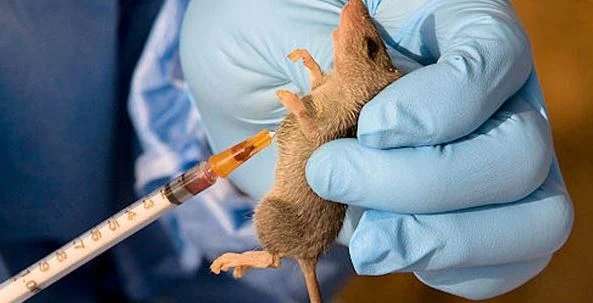
Lassa fever deaths in Nigeria have risen sharply from 99 to 109 within a week, exceeding figures recorded during the same period in 2025.
The outbreak has also increasingly affected healthcare workers. Data from the Nigeria Centre for Disease Control shows that at least 37 health workers were infected in the first nine weeks of 2026, with six cases reported in a single week.
The disease has spread across at least 18 states, each recording one or more confirmed cases. However, the majority of infections are concentrated in a few areas, with 86 per cent of confirmed cases reported in Bauchi, Ondo, Taraba, Benue, and Edo states.
As of the ninth week of 2026, the country has recorded 109 deaths, with a case fatality rate of 23.2 per cent higher than the 18.7 per cent recorded during the same period last year.
Breakdown of the figures shows Bauchi accounting for 28 per cent of cases, followed by Ondo at 22 per cent, Taraba at 19 per cent, Benue at 9 per cent, and Edo at 8 per cent, while the remaining 14 per cent are spread across 13 other states.
Young adults between the ages of 21 and 30 remain the most affected group, with a male-to-female ratio of 1:0.8 among confirmed cases.
Although the number of suspected and confirmed cases has declined compared to 2025, new infections among healthcare workers continue to raise concern.
Health authorities have urged states to strengthen year-round public awareness campaigns and encourage early detection, advising healthcare workers to maintain a high index of suspicion.
Efforts to contain the outbreak have included a national press briefing, updated infection prevention and control guidelines, and the activation of emergency response systems in several states, alongside field missions and data coordination with heavily affected regions.
Challenges persist, including delayed hospital visits, poor health-seeking behaviour driven by treatment costs, and inadequate environmental sanitation in high-risk areas.
Lassa fever is a zoonotic viral disease transmitted primarily through contact with food or household items contaminated by the urine or faeces of infected Mastomys rats. It remains endemic in Nigeria and several West African countries, with cases continuing to rise since a major outbreak in 2016.