

 Lifestyle & Wellness Desk
Maritime Experts Decry Lack of Shipbuilding in Nigeria
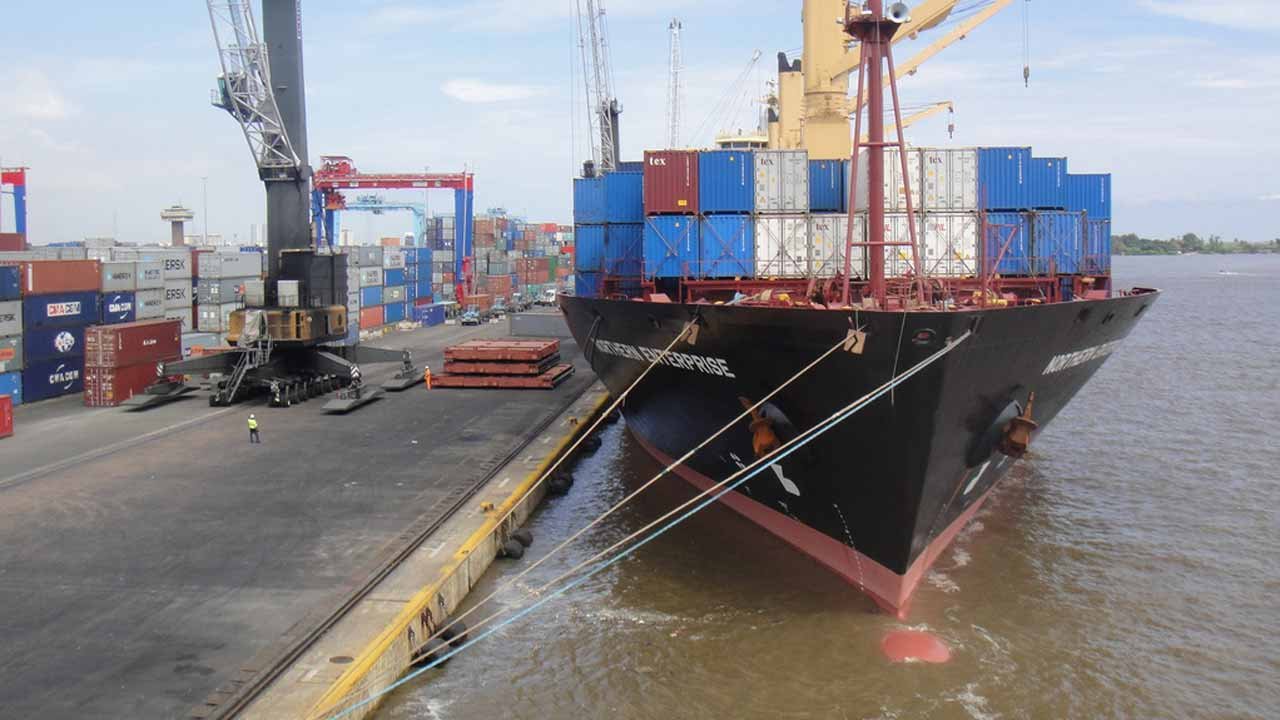
Maritime experts have expressed concern that Nigeria currently lacks both the raw materials and technical expertise required to establish a functional shipbuilding industry.
President of the African Shipowners Association (Nigeria), Ladi Olubowale, said the country does not yet have the industrial base, skilled workforce, or shipyards capable of undertaking large-scale vessel construction.
Despite being Africa’s most populous nation and one of its largest economies, Nigeria still struggles to build a competitive shipbuilding sector. Structural challenges such as inadequate dry docks, limited shipyard facilities, and weak heavy industries — especially steel production — have stalled progress. At present, most local facilities are restricted to ship repair and maintenance rather than full-scale construction.
Olubowale explained that dependence on imported raw materials, particularly steel and aluminium, remains a key barrier. “The backbone of any shipbuilding industry is steel or aluminium. But do we have the iron ore or steel industries in Nigeria that can provide these materials? The answer is no,” he said.
He added that heavy reliance on imports drives up costs and undermines competitiveness. “If you want to build a ship in Nigeria today, you’ll have to import steel. Even what we produce locally is not suitable for shipbuilding,” he noted, stressing that a strong domestic steel base is vital for the country to realise its shipbuilding ambitions.
Supporting this view, Head of Research at the Sea Empowerment and Research Centre, Eugene Nweke, argued that without a functional steel industry, Nigeria’s shipyards will remain import-dependent and unable to support large-scale ship construction or repairs.
Nweke also cautioned that having a national shipping operator alone does not make a country a maritime power. He emphasised the need for transparent governance, private-sector investment, and improvements in infrastructure such as rail and inland waterways to reduce dependence on road transport.
He further warned that Nigeria risks falling behind in global decarbonisation efforts if environmental sustainability is not integrated into port operations.