

 admin
adminNigeria’s Education Minister Announces Bold Reforms to Strengthen STEM and Vocational Education
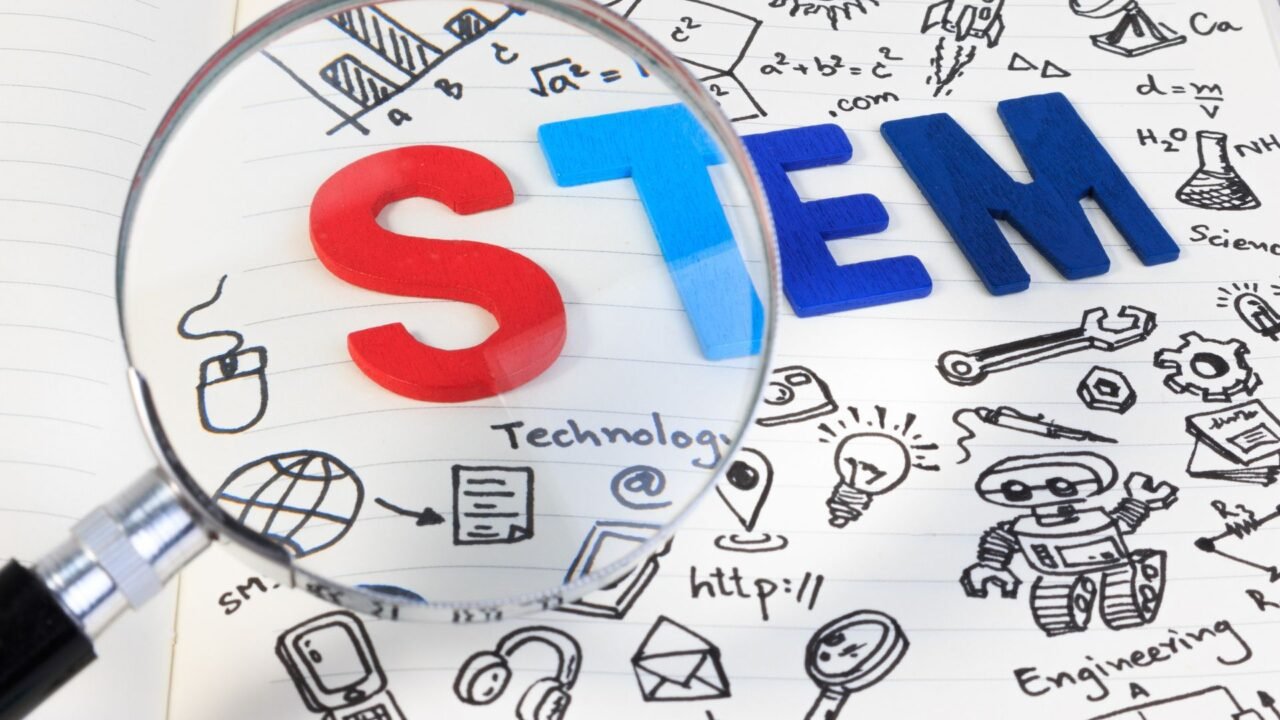
In a move to revamp Nigeria’s education landscape, the Minister of Education, Maruf Alausa, has rolled out a new plan aimed at significantly boosting STEM (Science, Technology, Engineering, and Mathematics) education and expanding vocational training across the nation. Speaking at the launch of the Education Sector Renewal Initiative 2024-2027 in Abuja, Alausa outlined key reforms designed to address the country’s educational challenges and enhance the employability of Nigerian youth.
The launch event, which brought together major stakeholders including representatives from UNICEF, UNESCO, the World Bank, and the European Union, underscored the government’s commitment to educational transformation and the role of global partners in achieving these ambitious goals.
Strategic Focus on Skills Development and Inclusive Education:
One of the primary focuses of the new policy is the integration of STEM education at all levels, alongside the expansion of Technical and Vocational Education and Training (TVET) programs. With the global job market increasingly driven by technology, Alausa emphasized that Nigeria must prepare its youth to meet the demands of emerging industries by equipping them with practical, high-demand skills.
“Education is the foundation for any nation’s progress, and by prioritizing STEM and vocational training, we are empowering our students to drive innovation, economic growth, and social development,” Alausa stated.
Tackling Out-of-School Children and Learning Gaps: Addressing the alarming number of out-of-school children remains a central goal for the government. Alausa unveiled a series of initiatives to integrate out-of-school children, including those from marginalized communities like the Almajiri system, into formal education. Special programs such as conditional cash transfers and school feeding initiatives will be introduced to support vulnerable children, particularly girls, and those from disadvantaged backgrounds.
The Minister also stressed the importance of reducing learning poverty, a term referring to children who are enrolled in school but lack basic literacy and numeracy skills. As part of the reforms, there will be an increased emphasis on improving teaching quality, curriculum design, and educational outcomes to ensure that students are not only in school but are learning effectively.
Strengthening Governance for Sustainable Change:
Alausa emphasized that in order to achieve these ambitious goals, significant reforms in the governance and management of the education sector are necessary. This will involve restructuring educational institutions for greater accountability, improving oversight at both national and state levels, and ensuring better planning, resource allocation, and monitoring of educational programs.
International Collaboration Key to Success: In his speech, Alausa also highlighted the vital role of international partners and the private sector in supporting these reforms. He called for stronger partnerships with global development agencies, academic institutions, and private industries to provide the technical expertise, funding, and resources necessary to implement these changes.
“Partnerships will be key to our success,” he said. “We must work with our international allies to bring world-class standards to our schools and training centers, and ensure that our students are prepared for the challenges of tomorrow’s global workforce.”
Looking Ahead
The Education Sector Renewal Initiative aims to equip the next generation of Nigerians with the skills needed to thrive in an increasingly complex and competitive world. With a focus on STEM education, vocational training, and inclusive policies for vulnerable groups, the government hopes to create an educational ecosystem that fosters innovation, employment, and sustainable growth.


