

 Tech & Tools Desk
Report: Half of Nigerian Clinics Lack the Capacity to Treat Snakebite Cases
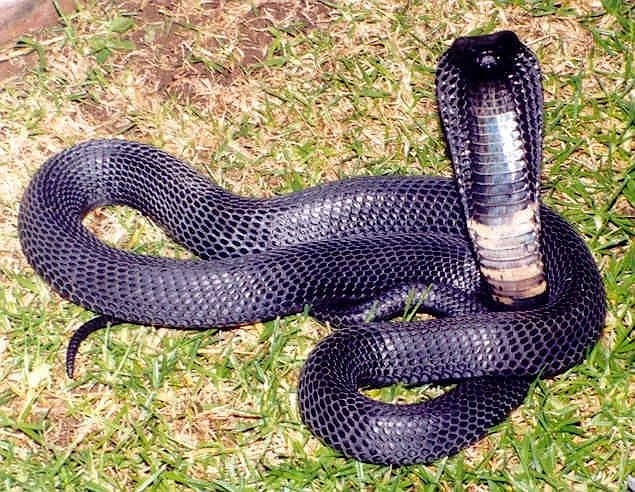
At least half of health facilities in Nigeria are unable to adequately treat snakebite envenoming, according to a new report.
The findings were released by the global Strike Out Snakebite initiative to commemorate World Neglected Tropical Diseases (NTDs) Day 2026, observed annually on January 30. The report highlighted how weak health systems, poor infrastructure and persistent shortages of life-saving antivenom continue to fuel preventable deaths and long-term disabilities, especially in high-burden countries such as Nigeria.
The study surveyed 904 frontline healthcare workers in Nigeria, Brazil, India, Indonesia and Kenya — five countries with the highest snakebite burden globally. It found that 50 per cent of respondents said their facilities lacked full capacity to manage snakebite cases, while 99 per cent reported difficulties administering antivenom, the only treatment recognised by the World Health Organisation as essential for snakebite care. In Nigeria, the situation was described as particularly alarming, with 98 per cent of healthcare workers reporting challenges in administering antivenom.
The report noted that Nigeria is home to 29 snake species, about 41 per cent of which are venomous, yet many victims struggle to access timely and effective medical care.
Healthcare workers identified urgent needs such as improved access to care, better-quality antivenom, stronger regulation, expanded training, and increased community education to reduce risky behaviours. Key contributors to avoidable deaths and disabilities included delays in patients reaching health facilities (57 per cent), poor infrastructure and inadequate equipment (56 per cent), and lack of training and clinical guidelines (42 per cent).
The report followed the recent death of Abuja-based music talent Ifunanya Nwangene, who reportedly visited two hospitals unable to administer antivenom before she died.
It further revealed that 35 per cent of healthcare workers experience daily shortages of antivenom, while more than 77 per cent reported life-threatening delays in patients seeking care, often due to reliance on traditional remedies. According to the findings, 44 per cent of respondents said such delays had led to amputations or major surgeries, outcomes that frequently push affected families into poverty.
Snakebite envenoming was described as a disease of inequality, disproportionately affecting rural communities, children and agricultural workers living far from well-equipped health facilities. Globally, the condition kills an estimated one person every five minutes, yet remains severely underreported and underfunded despite being preventable and treatable.
Speaking on the findings, co-chair of the Global Snakebite Taskforce and Chancellor of the London School of Hygiene and Tropical Medicine, Elhadj As Sy, said the research was urgent, noting that snakebite envenoming causes up to 138,000 deaths annually and leaves about 400,000 people with permanent disabilities.
He described it as troubling that one of the deadliest neglected tropical diseases remains largely invisible to global decision-makers, donors and funders. He called for urgent action to ensure that a preventable and treatable condition no longer claims lives across Nigeria and other vulnerable regions.
As Sy also stressed that frontline healthcare workers are battling the disease within fragile and under-resourced systems, adding that political will and bold commitments from governments, partners and investors are needed to reverse the trend.
The report highlighted that victims often endure long journeys to care, limited infrastructure and scarce, expensive antivenom, barriers that turn a treatable condition into a life-threatening emergency. It also pointed to simple preventive measures — such as wearing protective footwear, using mosquito nets, carrying torches at night and avoiding snake habitats — which could significantly reduce risk, particularly in rural communities.
Calling for government action, As Sy urged the international community to prioritise snakebite prevention and treatment, noting that solutions already exist and deaths are preventable.
Executive Secretary of the African Leaders Malaria Alliance, Joy Phumaphi, said snakebite envenoming continues to claim the lives of vulnerable people despite being preventable, reaffirming commitments to strengthen prevention and control through advocacy and country-led solutions.
The report urged governments, philanthropists, multilateral agencies and industry players to increase investment in research, expand affordable and high-quality antivenom production, modernise health infrastructure and integrate snakebite prevention and treatment into national health plans. It warned that snakebite envenoming currently receives only a fraction of the funding required, despite causing up to 138,000 deaths and 400,000 permanent disabilities worldwide each year.