
 Lifestyle & Wellness Desk
Surgeons Highlight Importance of Timely Treatment for Clubfoot in Children
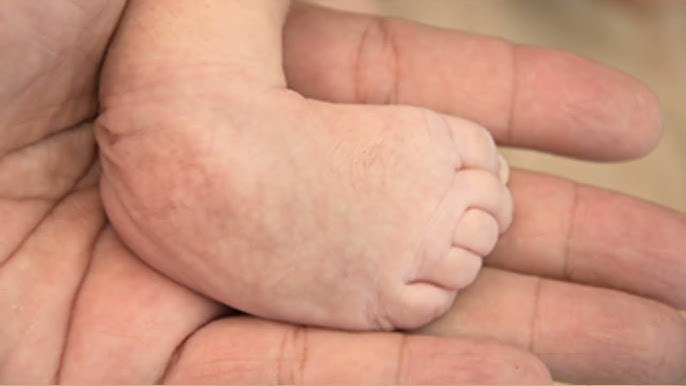
Orthopaedic surgeons in Nigeria have urged parents to seek early medical intervention for infants born with clubfoot, stressing that prompt treatment can prevent lifelong disability.
Experts warned against attributing the congenital deformity to spiritual attacks or divine punishment, noting that timely care ensures full correction. They said persistent myths and misconceptions continue to deny many children access to treatment, worsening social stigma and long-term disability.
Untreated clubfoot can result in chronic pain, difficulty walking, social discrimination, and limited educational and economic opportunities. According to the Cleveland Clinic, clubfoot is a congenital condition in which a baby’s foot or feet turn inward. Approximately one in every 1,000 babies is born with clubfoot, making it one of the most common congenital foot deformities.
“Clubfoot occurs due to abnormalities in the tendons connecting muscles to bones. The tendons in the leg and foot are shorter and tighter than normal, causing the foot to twist. Around half of affected babies have both feet involved,” the clinic explained.
In Nigeria, at least 10,000 children are born with clubfoot each year, according to the non-governmental organisation Nigeria Clubfoot Treatment Partners. While the exact cause remains unknown, genetics and environmental factors—such as family history, maternal smoking, alcohol intake, and certain medications during pregnancy—may contribute.
Professor Mike Ogirima, a leading Orthopaedic and Trauma Surgeon, said idiopathic clubfoot, present at birth, is the most common form seen by specialists and is treatable. He emphasized that early intervention significantly improves outcomes.
“Idiopathic clubfoot accounts for 80 to 90 per cent of cases, and it may also be hereditary. Acquired clubfoot can occur due to trauma, infection, or poliomyelitis, and treatment depends on the underlying cause,” Ogirima explained.
Modern treatment focuses on non-surgical methods, particularly the Ponseti method, which involves gentle, serial manipulations of the foot over several weeks. Ogirima said this approach can correct even severe cases in up to 95 per cent of infants.
Despite increased awareness, he noted that social stigma and myths about clubfoot remain widespread, causing delays in seeking treatment. “Some parents still believe the deformity is a punishment from God or linked to witchcraft. This has led many to consult traditional bone setters instead of orthopaedic specialists,” he said.
Late presentation often necessitates surgery, increasing costs and complexity. “The earlier a child is brought for treatment, the easier, cheaper, and more effective the intervention,” Ogirima added.
He also advised pregnant women to avoid alcohol, folic acid deficiency, radiation exposure, and non-prescribed medications, warning that these factors may increase the risk of congenital defects.
Dr. Peace Amaraegbulam, Consultant Orthopaedic Surgeon and President of Nigeria Clubfoot Treatment Partners, described clubfoot as the most common musculoskeletal birth defect in Nigeria. “Without treatment, children walk on the sides of their feet, leading to pain, discrimination, and reduced opportunities in life,” she said.