
 Edupreneur Insights Desk
Surveillance in Special Education: The Growing Debate Over Classroom Cameras
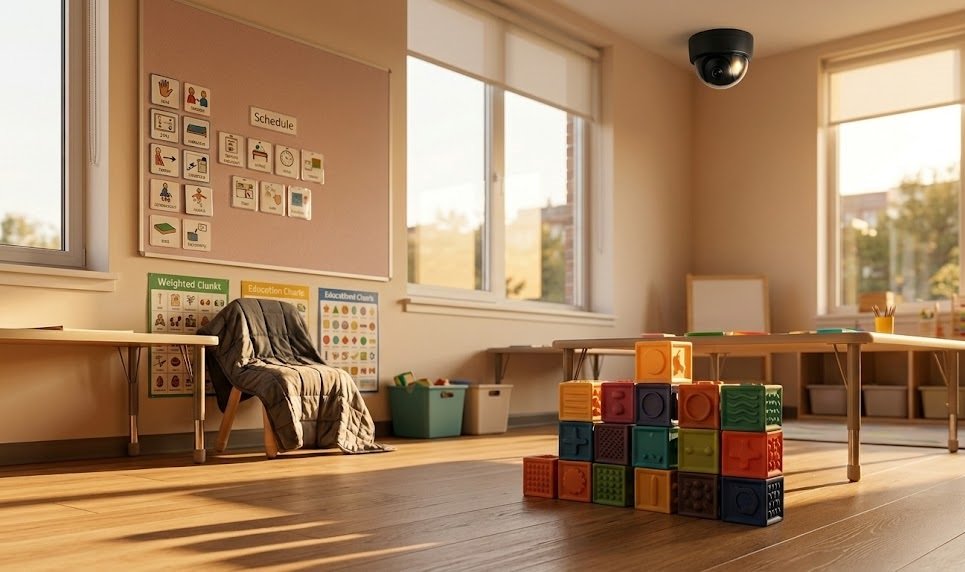
In a period defined by the aggressive removal of personal technology from schools, a countertrend is emerging: the mandated installation of surveillance cameras. Legislators in Florida, Iowa, Maryland, South Carolina, and Tennessee have introduced bills this year to place video monitoring in “self-contained” special education classrooms. These proposals aim to protect students who may be non-verbal or have significant disabilities from improper physical restraints, seclusion, or abuse.
While the movement is driven by a desire for accountability and the protection of vulnerable learners, it has ignited a complex debate over privacy, professional trust, and the root causes of classroom safety issues. As more states—including Louisiana and West Virginia—move from optional to mandatory surveillance, the education sector faces a pivotal moment in balancing student safety with the ethical implications of constant monitoring.
Why This Matters
School Leaders and Educators
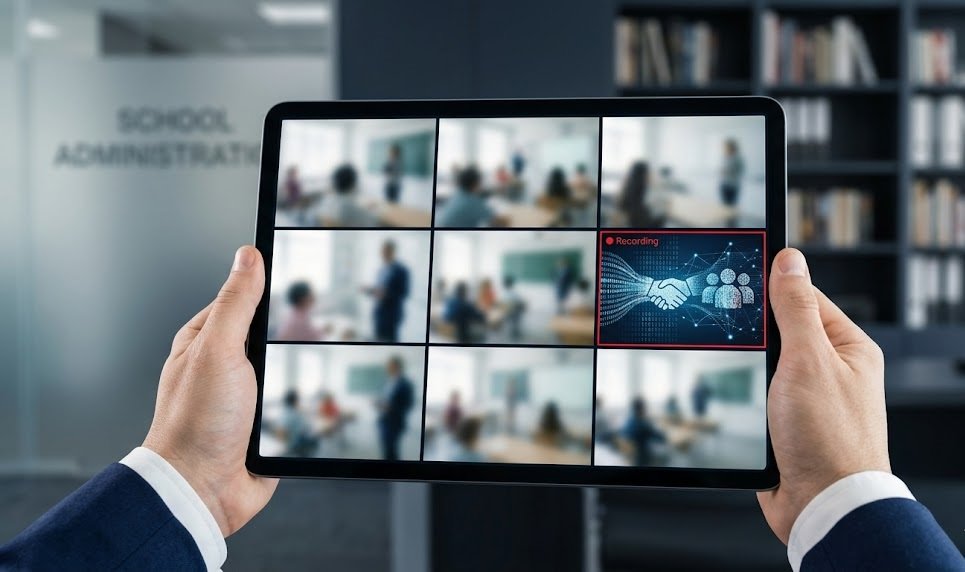
For administrators, the introduction of cameras represents a dual-edged sword. While footage provides a clear “eyewitness” to resolve disputes and protect staff from false accusations, it also introduces significant logistical burdens. Leaders must navigate the complexities of the Family Educational Rights and Privacy Act (FERPA) and manage the storage and review of sensitive data. For educators, the presence of cameras can feel like a vote of no confidence, potentially impacting morale in a field already suffering from acute labor shortages.
Households and Individuals
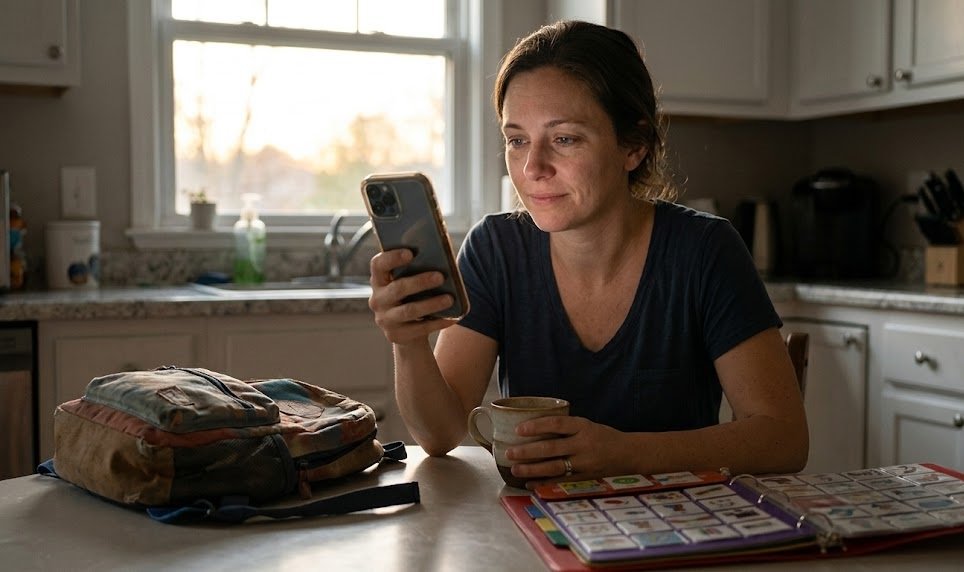
For parents of children with special needs, cameras are often viewed as an essential safeguard. Because many students in these settings cannot communicate what happens during the school day, video provides a voice for the voiceless. It offers peace of mind that any incident involving physical restraint or “seclusion rooms” will be documented, ensuring that “no one can say someone got it wrong.”
Students and Academics
The primary concern for advocates is the “othering” of students with disabilities. Monitoring only special education classrooms suggests that these environments are inherently more dangerous or less trustworthy than general education settings. There is also the unresolved question of how constant surveillance affects the psychological development and behavioral outcomes of students who are already navigating complex sensory and emotional challenges.
Implications and Emerging Signals
The push for surveillance reflects a broader shift in educational governance—moving away from trust-based professional autonomy toward data-driven accountability.
- Technology as a Proxy for Training: Experts suggest that the reliance on cameras may be a “red herring” that allows districts to “check a box” on safety without addressing the underlying need for intensive de-escalation training and better staffing ratios.
- The Privacy-Accountability Paradox: As cameras become cheaper and more ubiquitous, the threshold for “invasive” technology is lowering. We are seeing a trend where parental rights to transparency are increasingly prioritized over the traditional privacy expectations of the workplace.
- Legal and Regulatory Standardization: With most states referencing FERPA, we may see a push for updated federal guidelines that specifically address video data in special education, as current 1974 standards did not anticipate the “technology age” of 2026.
- Workforce Impact: While some argue cameras deter teachers, the deeper signal is a “leaky bucket” pipeline. If cameras are perceived as a tool for “survival” rather than support, they may exacerbate the teacher shortage in the 45 states currently reporting deficits in special education.
Key Takeaways
- Expect Increased Legislative Momentum: Following the lead of Texas and Louisiana, expect more states to move from “parental request” models to mandatory “all-room” surveillance in self-contained units.
- Prioritize Professional Development: Cameras record incidents but do not prevent them. School leaders should view surveillance as a secondary tool to comprehensive de-escalation and behavioral support training.
- Audit Privacy Protocols: Districts must establish rigorous protocols for who can view footage and under what circumstances, ensuring compliance with FERPA to avoid litigation.
- Focus on Culture Over Hardware: Long-term safety is a product of school culture, trust, and community. Surveillance should not be used as a substitute for the “hard work” of cultivating inclusive environments.
- Monitor Data Gaps: There is currently a lack of empirical evidence proving that cameras reduce the intensity of incidents. Stakeholders should demand better data collection to determine if these investments actually improve student outcomes.
This reflects a broader shift toward the “securitization” of the classroom, where digital oversight is increasingly viewed as the only objective arbiter of truth in public institutions.