
 admin
adminTHE IMPORTANCE OF ENVIRONMENTAL EDUCATION: TEACHING SUSTAINABILITY EARLY
As environmental challenges like climate change and resource depletion become more pressing, teaching children about sustainability is more important than ever. Early environmental education instills lifelong habits that help students understand and protect the world they live in. Here’s why it matters and how educators can promote sustainable practices in the classroom.
Why Environmental Education Matters
- Builds Awareness and Responsibility
- Learning about environmental issues from a young age fosters a sense of When students understand the impact of their actions on the planet, they’re more likely to make choices that benefit the environment.
- Promotes Lifelong Sustainable Habits
- Kids who are taught sustainable practices like recycling, conserving water, or reducing waste, they carry these habits into adulthood, positively influencing their families and communities.
- Encourages Critical Thinking
- Environmental education encourages students to think critically about global issues, like pollution and They learn to ask questions, analyze solutions, and consider how their actions affect the environment.
- Prepares Students for Future Careers
- Sustainability is becoming a priority in many Teaching students about environmental issues prepares them for careers in fields like renewable energy, conservation, and sustainable agriculture.
Practical Tips for Teaching Sustainability
- Introduce Eco-Friendly Habits Early
- Teach young children simple actions like turning off lights, conserving water, and reusing These small steps make environmental responsibility relatable and manageable.
- Incorporate Nature in Learning
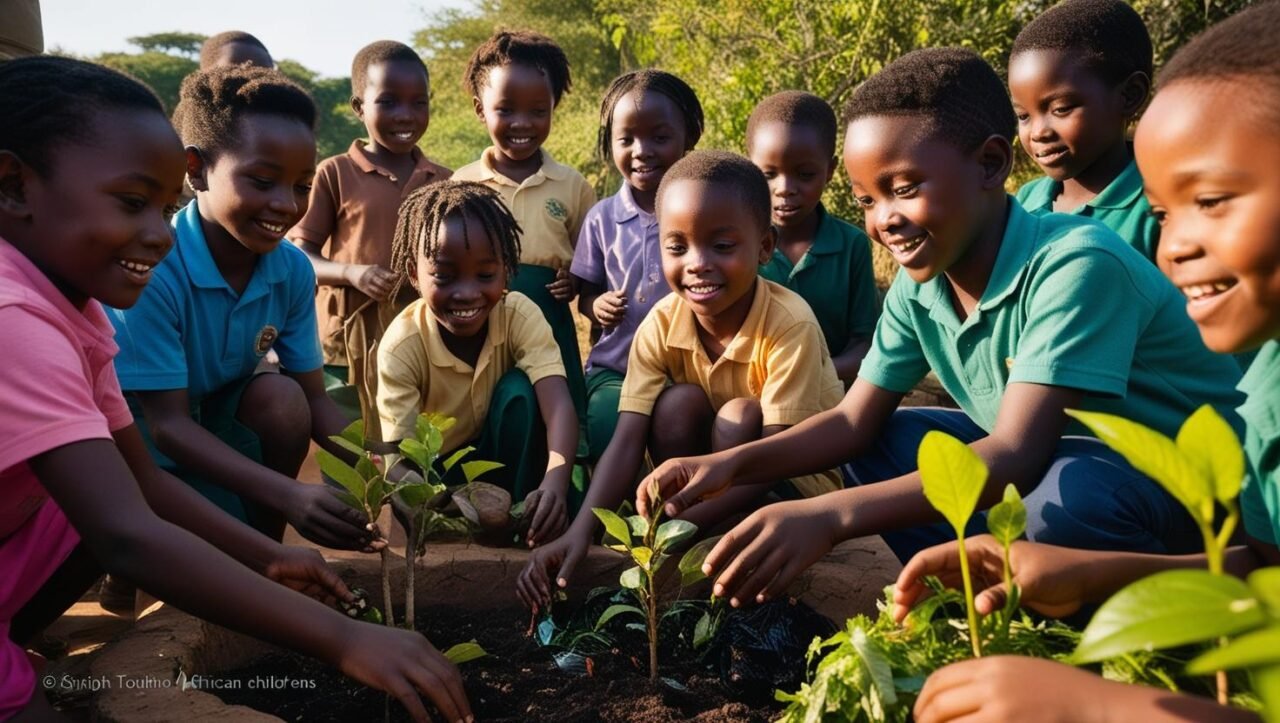
- Outdoor learning activities help students connect with nature. Nature walks, gardening, and studying plants and animals foster appreciation for the environment and teach students about ecosystems.
- Create a Recycling Program in the Classroom
- Set up recycling bins for paper, plastic, and Explain how recycling reduces waste and teach students what items can be recycled. Involve them by assigning “recycling monitors” to encourage participation.
- Use Hands-On Sustainability Projects
- Practical projects, like building a compost bin or creating art from recyclable materials, engage students and show them how sustainability can be fun. Composting, for example, teaches kids about natural cycles and reducing waste.
- Teach Energy Conservation
- Discuss ways to conserve energy, like turning off electronic devices and using natural light. Explain how reducing energy use helps the environment by saving resources and lowering pollution.
- Involve Families and Communities
- Encourage students to share what they learn with their families. Host eco-friendly events, such as community clean-ups or “green days” where students bring in recyclable materials from home.
- Celebrate Earth Day and Other Environmental Events
- Use Earth Day as an opportunity for themed lessons and activities on environmental topics. Activities like tree planting, recycling drives, or creating “Earth Day promises” promote active participation.
Creating a Sustainable Mindset
When students learn about sustainability early on, they gain the knowledge and motivation to make a positive impact on their world. By fostering environmental awareness, educators can guide students toward a future where they actively contribute to conserving resources, reducing waste, and protecting the environment.