

 Edupreneur Insights Desk
The Kenyan Edge: Why Kenya is Leading the East African Education Race
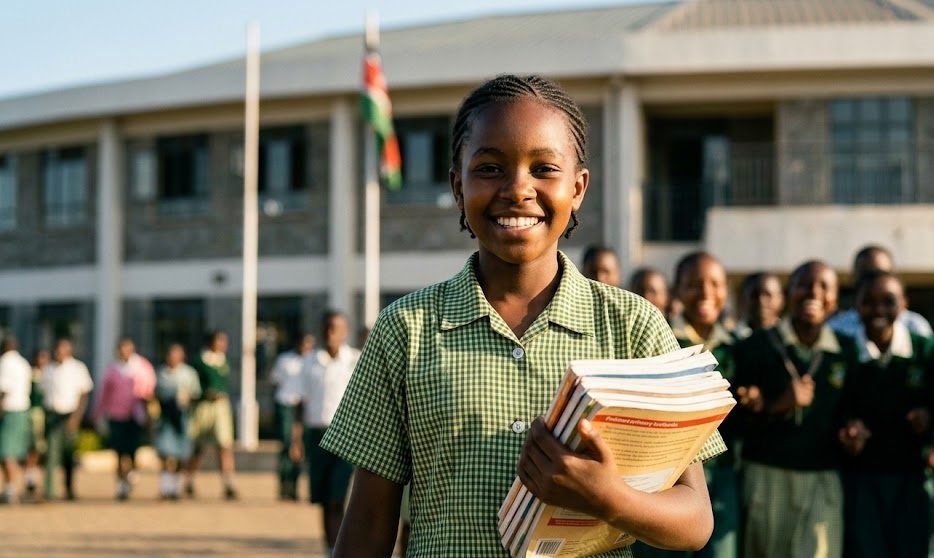
The 2026 Global Education Monitoring report by UNESCO has unveiled a stark divergence in the East African educational landscape. While the region has made historic strides in school enrollment, a massive “retention gap” remains. Kenya, however, has emerged as a regional outlier, successfully transitioning nearly its entire primary-aged population to completion—a feat that contrasts sharply with the struggles of its neighbors.
With Sub-Saharan Africa now home to half of the world’s 273 million out-of-school children, the “Kenyan Model” offers a critical case study in how steady investment and policy consistency can stabilize an education system in an era of global volatility.
Why This Matters
School Leaders and Educators
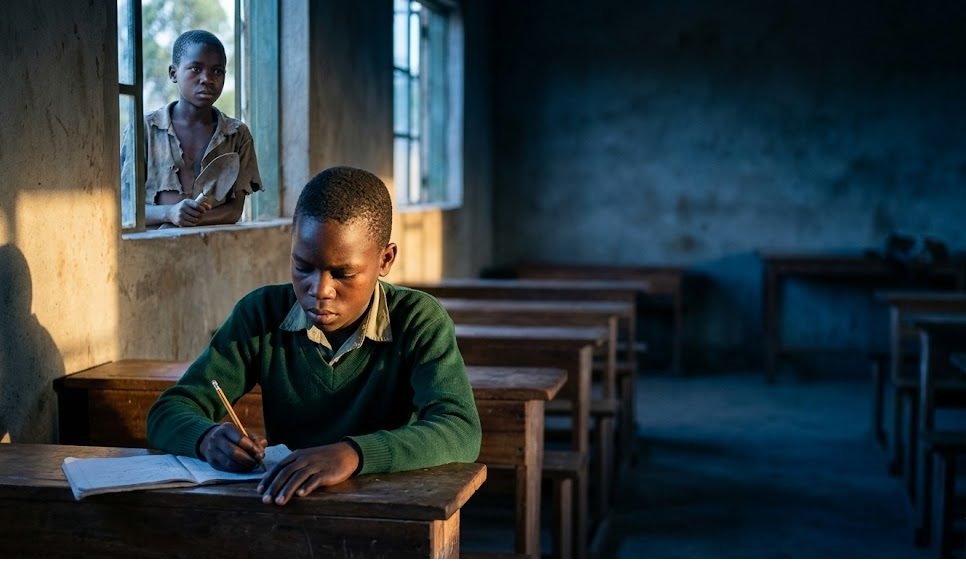
The data shifts the focus from access to progression. In Kenya, primary completion rates have hit a near-universal 99% for boys and 100% for girls, whereas in Uganda, completion hovers at just over 50%. For educators, this highlights that getting a child into a seat is only the first step; the real challenge is building the infrastructure and social support systems that prevent mid-cycle dropouts.
Entrepreneurs and Business Leaders
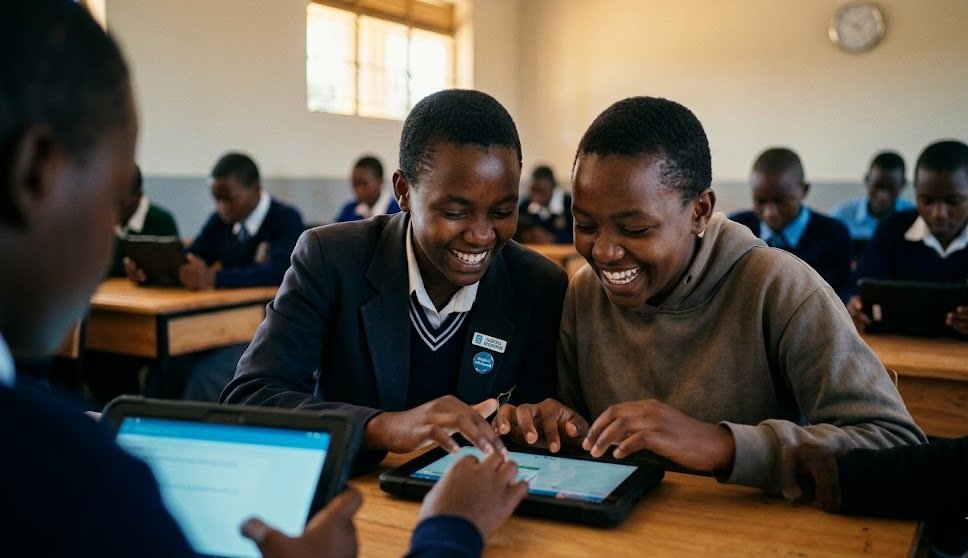
Kenya’s success is partly attributed to a diversified “education marketplace,” including a robust private sector and the rapid expansion of distance learning platforms. For investors and EdTech entrepreneurs, this signals a maturing market where the demand is shifting from basic literacy tools to sophisticated platforms that support secondary transition and vocational readiness.
Households and Individuals
Education remains a significant private cost. In Uganda, public spending has dipped to 6.6% of government expenditure, forcing families to turn to private institutions, which account for 84% of schools in urban hubs like Kampala. Households are increasingly bearing the financial burden of “quality,” creating a tiered system where income level determines a child’s likelihood of finishing secondary school.
Africa in the Global Context
The stagnation of education transition rates is a global phenomenon. Between 1985 and 2000, global transition rates jumped by 10%, but progress has since slowed to a crawl. Kenya’s ability to buck this trend and near universal completion puts it in a unique position relative to other emerging markets in Southeast Asia and Latin America.
However, the UNESCO report warns that this “diversification” of education—while helpful for capacity—mirrors trends seen in the US and UK, where a heavy reliance on private schooling can entrench long-term inequality. Kenya’s challenge now is to ensure that its “layers” of education do not create a permanent class divide, a risk currently facing many Western education systems.
Implications and Emerging Signals
- The Rise of Private-Public Hybrids: We are seeing a strategic shift where governments are no longer the sole providers but the regulators of a vast network of private and digital learning providers.
- Secondary School as the New Battleground: With primary completion nearing 100% in leading African economies, the strategic focus is moving to secondary and tertiary retention to avoid a “skills ceiling.”
- Legal Frameworks as Stability Anchors: UNESCO notes that the fastest gains were made in countries that combined investment with “core policies” and strong legal frameworks, rather than radical, frequent overhauls.
Key Takeaways
- Prioritize Completion over Enrollment: Success should be measured by the number of students who finish the cycle, not just those who register on day one.
- Watch the “Urban-Private” Shift: In cities like Kampala and Nairobi, private education is no longer an alternative—it is the primary system. Businesses should align their CSR and training initiatives with these private networks.
- Prepare for a High-Skilled Pipeline: Kenya’s near-universal completion rate means it will likely produce a more literate and digitally-ready workforce than its neighbors by 2030.
- Mitigate Inequality Risks: As the system diversifies, policy-makers must implement targeted financial support for low-income households to prevent a “two-tier” society.
“This reflects a broader shift toward a more pragmatic, multi-stakeholder approach to African education, where the state provides the framework and the private sector provides the scale.”

