
 Lifestyle & Wellness Desk
UN plans troop withdrawal from Lebanon by mid-2027
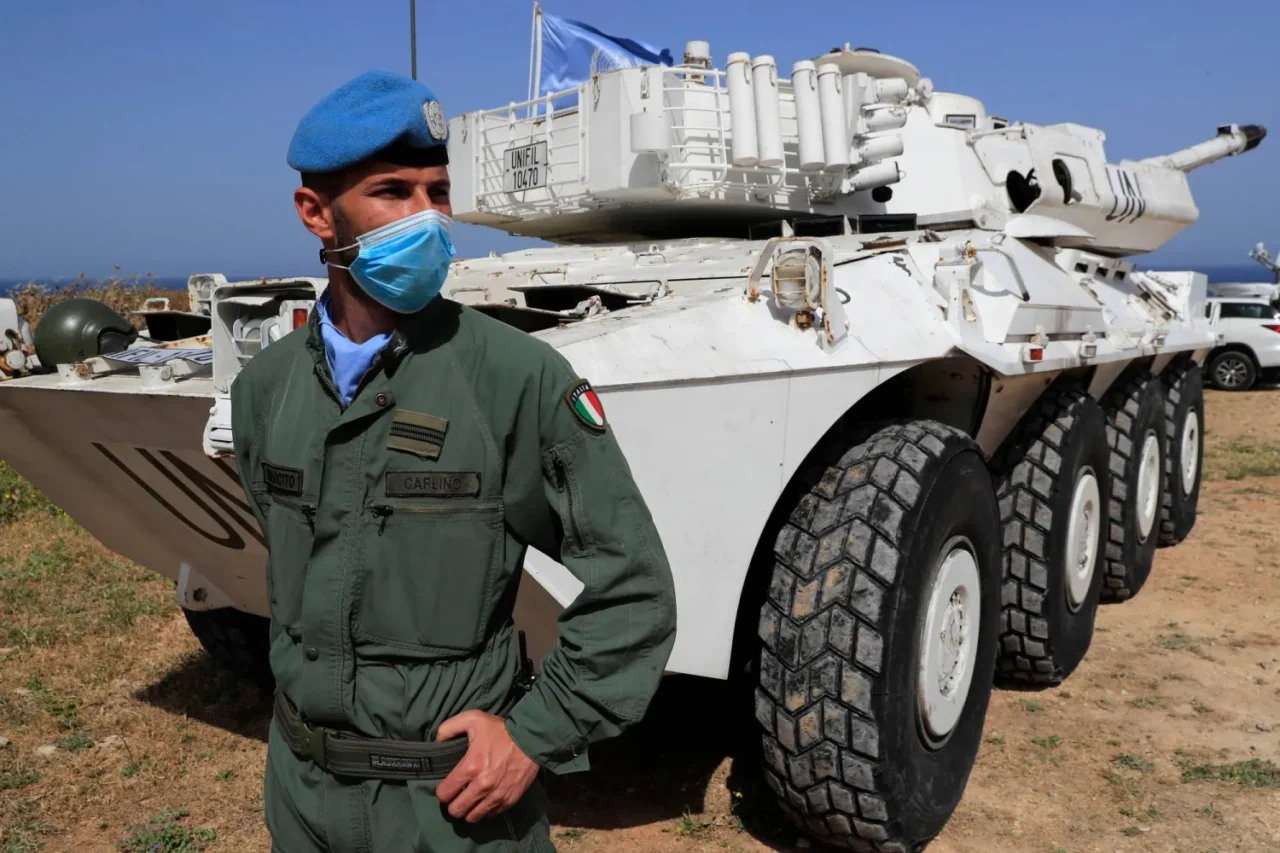
The United Nations Interim Force in Lebanon (UNIFIL) has announced plans to withdraw most of its troops by mid-2027, following the expiration of its mandate later this year.
For decades, UNIFIL has served as a buffer between Israel and Lebanon and has supported the Lebanese army in dismantling Hezbollah infrastructure near the Israeli border after a recent conflict between Israel and the Iran-backed group.
Last year, amid pressure from the United States and Israel, the UN Security Council voted to end UNIFIL’s mandate on December 31, 2026, approving an orderly and secure drawdown and withdrawal to be completed within one year.
UNIFIL spokesperson Kandice Ardiel said the mission intends to withdraw all, or nearly all, uniformed personnel by mid-2027, with the full pullout expected to be completed by the end of that year. She explained that once operations formally end on December 31, the process of returning personnel and equipment and transferring UN positions to Lebanese authorities will begin.
During the withdrawal period, the mission will be authorised to carry out only limited functions, including the protection of UN staff and facilities and oversight of a safe departure.
Despite a ceasefire reached in November 2024 aimed at ending more than a year of hostilities with Hezbollah, Israel has continued to carry out strikes in Lebanon, saying it is targeting Hezbollah positions, and has maintained troops in five border areas. UNIFIL continues to patrol southern Lebanon and monitor violations of a UN resolution that ended the 2006 war between Israel and Hezbollah and underpins the current ceasefire. The mission has repeatedly reported incidents of fire at or near its personnel since the truce.
Ardiel said UNIFIL has reduced its presence in southern Lebanon by nearly 2,000 peacekeepers in recent months, with several hundred more scheduled to leave by May. The force currently comprises about 7,500 peacekeepers drawn from 48 countries.
She noted that the recent reduction in troop numbers was driven by a UN-wide financial crisis and cost-cutting measures affecting all missions, rather than the decision to end UNIFIL’s mandate.
Lebanese authorities have expressed a desire for a continued international troop presence in southern Lebanon after UNIFIL’s withdrawal, even if at reduced levels, and have urged European nations to remain engaged.
French Foreign Minister Jean-Noël Barrot said during a visit to Beirut this month that the Lebanese army should take over responsibilities once UNIFIL departs, while Italy has indicated it plans to maintain a military presence in Lebanon after the mission’s exit.