

 Lifestyle & Wellness Desk
915,000 teachers cater to over 31.7 million pupils across Nigeria
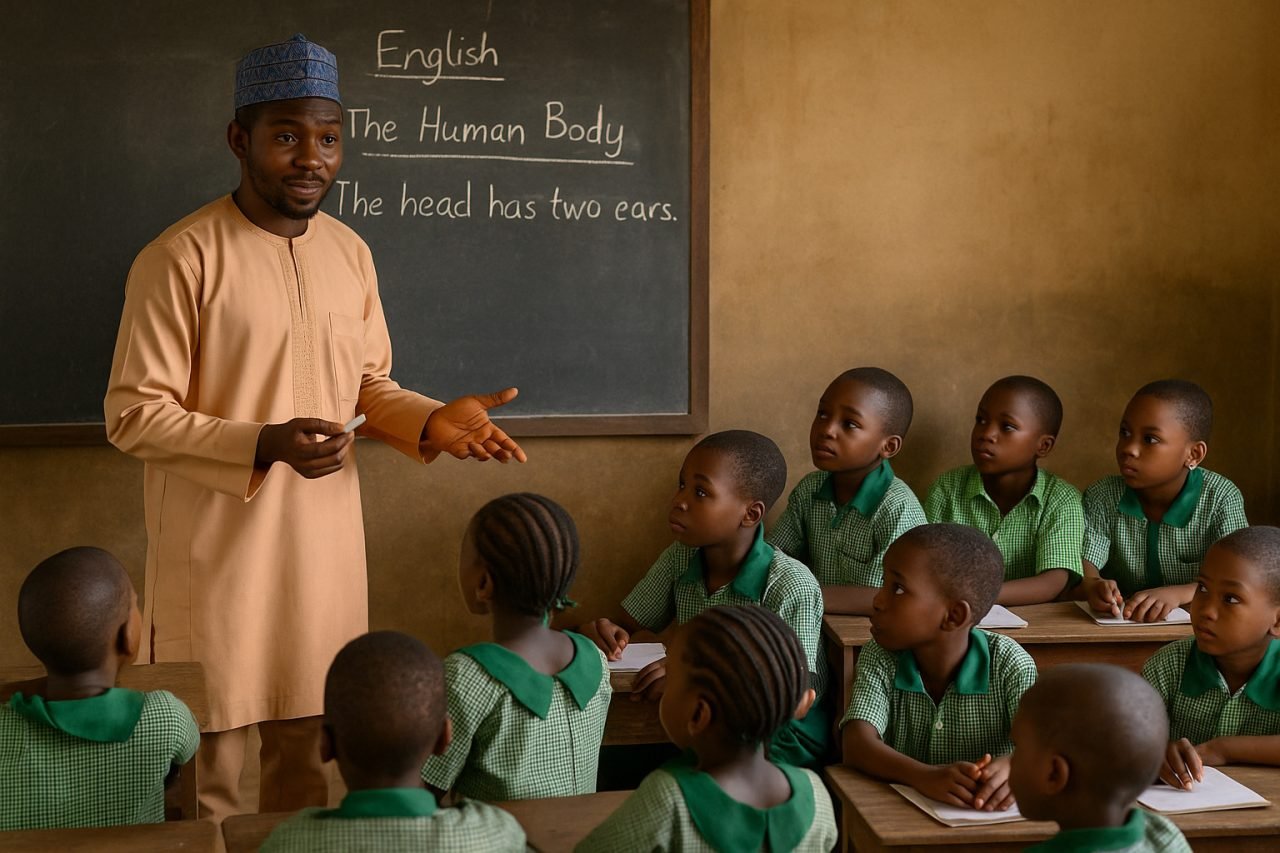
Across Nigeria, only about 915,913 teachers are available to cater to over 31.7 million pupils enrolled in public and private primary schools, according to figures from the Universal Basic Education Commission (UBEC).
In 2024, it was revealed that 18 states across the country did not recruit any teachers between 2019 and 2024, covering a period of five years.
This shortage is compounded by long-standing issues facing teachers, including delayed implementation of the national minimum wage and poor working conditions, particularly in various states and the Federal Capital Territory.
Recently, teachers in the FCT went on strike due to the failure of local authorities to implement the minimum wage approved last year. In a related concern, the Teachers Registration Council of Nigeria (TRCN) highlighted the country’s growing deficit of qualified teachers, especially in underserved rural areas, which has worsened existing educational inequalities.
The former registrar of the TRCN, Prof. Josiah Ajiboye, noted that the rapid growth in the population of school-age children and the increasing number of schools both public and private has put significant pressure on the education system. He emphasized that the supply of qualified teachers has not kept pace with rising demand, leading to an unfavorable teacher-to-pupil ratio in many schools.
According to the latest data, Nigeria has at least 131,377 primary schools 65,529 public and 65,848 private. The pupil population in public primary schools stands at 24.2 million, while private schools account for 7.4 million learners.
Titus Amba, President of the Nigeria Union of Teachers, expressed serious concern over the teacher shortage, warning that it has left many students, particularly in junior and senior secondary schools located in rural communities, in a state of “learning poverty.”
He reported that in some rural schools, one or two teachers are left to manage entire classrooms or even multiple classes, severely affecting learning outcomes and the future prospects of pupils.
Amba called on all levels of government to prioritize teacher recruitment, training, and support, stressing that every child in Nigeria deserves access to a well-trained and adequately supported teacher as a cornerstone of meaningful and sustainable educational development.