
 Zara Lianne
AI Tutors vs. Human Teachers: The Battle for the Future of Learning
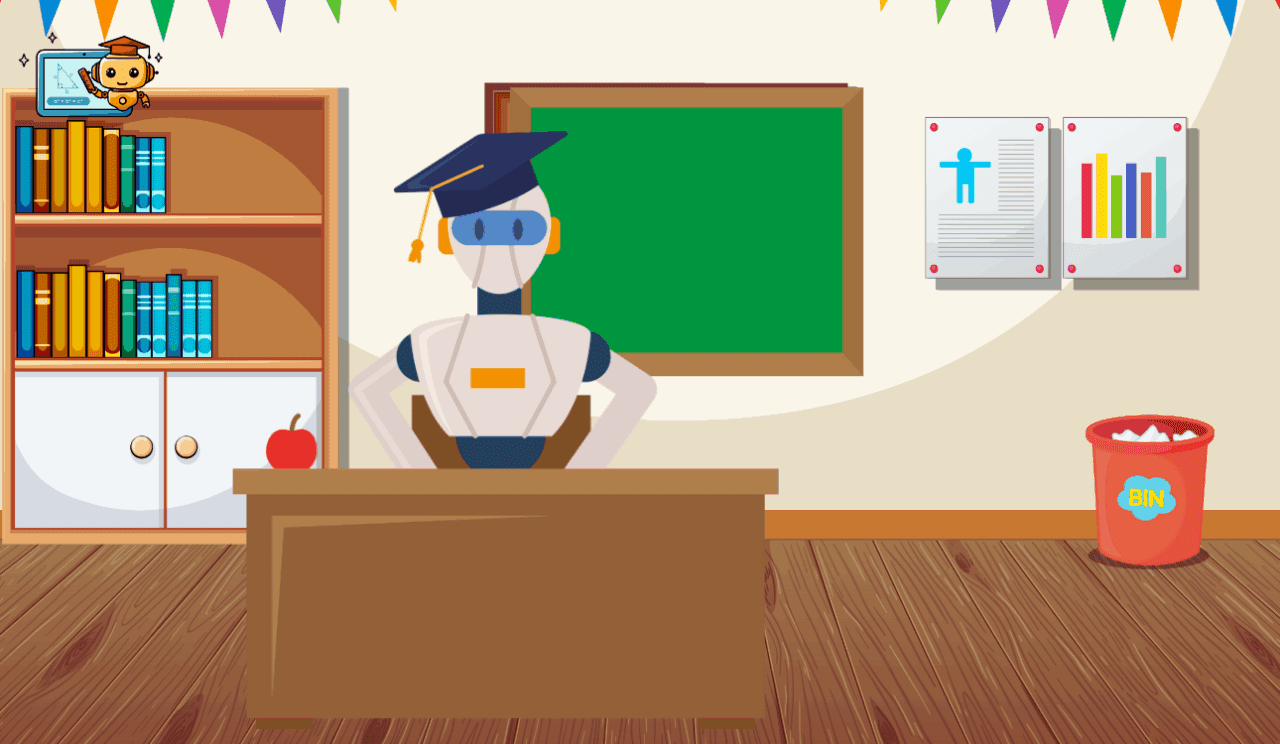
The classroom is evolving. From chalkboards and textbooks to tablets and AI tutors, education is undergoing a major transformation. Around the globe, artificial intelligence (AI) is increasingly being used to support teaching, offering personalized learning, round-the-clock support, and data-driven insights. But as AI grows in influence, educators and stakeholders are asking a critical question: can it replace the role of human teachers, or should it only support them?
The Rise of AI Tutors
AI tutors, like chatbots, learning apps, and adaptive platforms, are designed to deliver customized instruction. Unlike traditional lessons where all students receive the same material at the same pace, AI tutors analyze a learner’s progress in real time and adjust content to suit their strengths and weaknesses.
Globally, tools like ChatGPT, and Squirrel AI (China),are helping students tackle subjects ranging from math to writing. In India, AI-assisted tutoring apps have significantly improved student performance in rural areas. In the United States and the UK, schools are using AI to provide instant feedback on essays and homework, allowing students to practice more and improve faster without increasing teachers’ workload.
One of the biggest advantages of AI tutors is accessibility. In underserved regions with teacher shortages, such as parts of Sub-Saharan Africa and rural Asia, AI is helping bridge gaps. Students with internet access can now learn without needing a physical classroom or teacher present. This is particularly helpful in regions where class sizes are large and quality instruction is scarce.
The Irreplaceable Human Element
Despite these advancements, AI still falls short in areas where human connection matters most. Teachers do far more than deliver facts. They inspire, guide, motivate, and understand the emotional needs of students. They detect when a child is struggling (not just academically, but personally as well) and they respond with empathy.
Human teachers adapt their methods based on mood, classroom dynamics, and socio-cultural factors. They teach life skills like teamwork, empathy, and ethics – areas AI simply cannot master.
In fact, many educators believe the true power lies in blending AI with human instruction. By letting AI handle repetitive tasks like grading or quiz generation, teachers can focus on what machines can’t do; that is mentoring, relationship-building, and fostering creativity.
Global Trends and Mixed Outcomes
Worldwide, AI in education is being embraced unevenly. In developed nations, especially in Europe and North America, schools are integrating AI into lesson plans, marking schemes, and student tracking systems. In developing regions, AI’s impact is growing rapidly, sometimes even leapfrogging traditional systems.
For example, China has adopted AI-based platforms on a national scale to reduce performance gaps between urban and rural schools. In Africa, edtech startups are customizing AI tools to deliver math and literacy lessons over low-bandwidth mobile networks.
However, access remains a barrier. Millions of students still lack electricity, internet access, or digital devices. These students risk being left behind in the AI revolution. Additionally, many educators lack training in how to use AI tools effectively, raising concerns about misuse or over-dependence on technology.
Winners, Losers, and the Equity Question
So who wins in the AI-human education shift?
Winners include:
-
Students in low-resource settings who now have access to expert-level practice via AI.
-
Independent learners who thrive with self-paced, tech-supported study.
-
Schools that use AI to improve teaching efficiency and personalize learning.
Losers could include:
-
Students in offline communities without access to devices or internet.
-
Young children and special-needs learners who require close human supervision.
-
Schools that adopt AI without a clear understanding of its limits.
Another risk lies in bias and ethics. AI tools are only as fair as the data they are trained on. If not carefully designed, they may misinterpret diverse learner needs or reinforce stereotypes. There are also concerns about privacy. Student data collected by AI platforms must be safeguarded against misuse.
The Future: Collaboration, Not Competition
Rather than a battle between man and machine, the future of learning may lie in partnership. AI tutors can offer personalized support and scale education, while human teachers provide emotional intelligence and ethical guidance.
For this to work, educators must be trained in AI literacy. Policymakers must ensure equitable access. And AI developers must prioritize transparency and inclusiveness.
As AI reshapes education, the most successful models will be those that combine the precision of machines with the compassion of humans. Teachers are not being replaced rather, they are being reimagined as mentors, facilitators, and creative guides in an AI-enhanced world.