

 Lifestyle & Wellness Desk
ATM Usage Declines as POS Agents Process N223tn in 2024
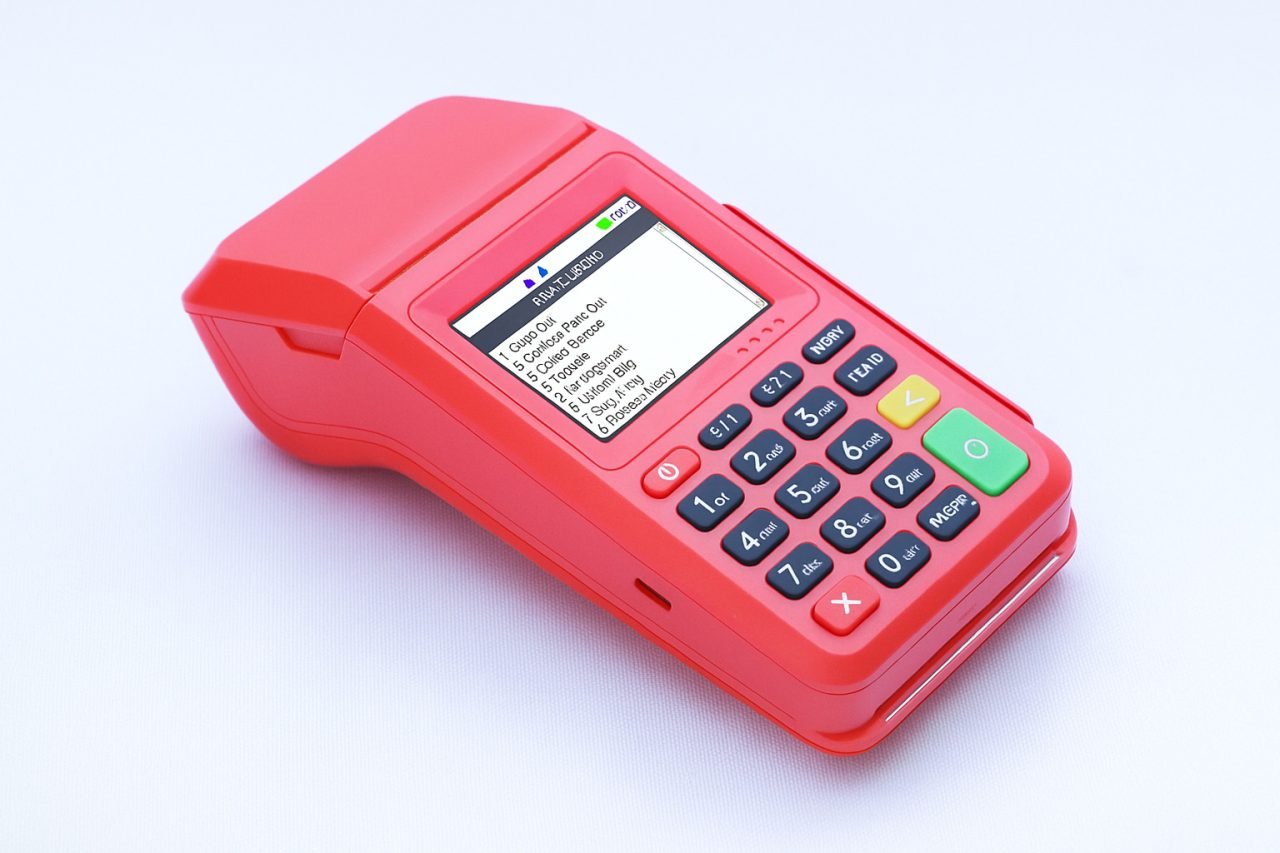
The use of Point of Sale (POS) terminals in Nigeria surged significantly in 2024, with transactions valued at N223.27 trillion, nearly doubling the N110.35 trillion recorded in 2023. This is according to the latest data from the Central Bank of Nigeria (CBN), highlighting a growing preference for POS platforms over Automated Teller Machines (ATMs) for financial transactions.
The total number of POS transactions rose by 32.7 per cent, from 9.85 billion in 2023 to 13.08 billion in 2024. In contrast, ATM transaction volume remained largely stagnant, inching up from 1.012 billion to 1.022 billion, with the value of ATM withdrawals reaching N29.12 trillion, compared to N28.21 trillion in 2023.
POS vs ATM Monthly Trends in 2024
- January: POS transactions hit N11.50tn, more than double January 2023’s N5.28tn. ATM withdrawals dropped from N3.24tn to N2.15tn.
- February: POS value climbed to N12.46tn, a 69% increase, while ATM withdrawals slipped to N1.72tn.
- March: POS transactions rose to N14.73tn, up from N10.62tn. ATM usage declined to N1.60tn.
- April: POS transactions stood at N13.74tn, while ATM withdrawals dropped to N1.81tn.
- May: POS value rose to N13.91tn, while ATM withdrawals declined slightly to N2.49tn.
- June: POS transactions surged to N19.57tn, more than double the N8.31tn recorded in June 2023, while ATM value remained flat at N2.45tn.
- July: ATM withdrawals rose to N3.21tn, while POS value reached N15.24tn, an 83% year-on-year increase.
- August: POS transactions hit N18.90tn, doubling the N9.10tn of August 2023. ATM withdrawals rose marginally to N2.21tn.
- September: POS value jumped to N19.69tn, while ATM withdrawals increased modestly to N2.30tn.
- October: POS transactions grew to N22.27tn, as ATM withdrawals fell to N1.93tn, the lowest for the year.
- November: POS value spiked to N29.42tn, while ATM withdrawals peaked at N3.35tn, their highest for the year.
- December: POS transactions hit N31.84tn, with ATM withdrawals also peaking at N3.91tn.
The data reflects the growing reliance on agency banking and digital payment platforms, with POS terminals becoming increasingly accessible across both urban and rural areas. This trend points to greater convenience, speed, and financial inclusion but has also exposed vulnerabilities in the system.
High POS Charges, Cash Shortages, and CBN Sanctions
Despite the rise in digital payments, the end of 2024 saw severe cash shortages, forcing many Nigerians to depend on POS agents who hiked charges by up to 100%, collecting N200 per N5,000 withdrawal. Many ATMs were empty, and banks limited cash withdrawals to N10,000 or N20,000, despite CBN directives warning banks against withholding cash.
The CBN fined nine commercial banks a total of N1.35 billion for failing to make cash available at ATMs during the festive season. The sanctioned banks include:
- Fidelity Bank
- First Bank
- Keystone Bank
- Union Bank
- Globus Bank
- Providus Bank
- Zenith Bank
- UBA
- Sterling Bank
Growing POS Fraud and New CBN Regulations
The surge in POS transactions has also been accompanied by rising fraud. According to FITC’s Fraud and Forgeries Report for Q1 2024:
- POS fraud cases rose by 31.12%, from 2,683 in Q4 2023 to 3,518 in Q1 2024.
- POS fraud accounted for over 30% of all fraud cases in the quarter.
- Computer, mobile, and POS-related fraud made up the majority of incidents.
In response, the CBN introduced new regulations, including:
- A daily cash-out limit of N100,000 per customer for POS transactions.
- A cumulative N1.2 million daily cash-out limit per POS agent.
- A weekly cash withdrawal limit of N500,000 per customer.
- Mandatory use of float accounts for all agency banking transactions.
- All agent terminals must be connected to the Payments Terminal Service Aggregator.
- Daily reporting of transaction data and float account balances to the Nigerian Inter-Bank Settlement System (NIBSS).
- Strict monitoring of agents’ Bank Verification Numbers (BVNs) to prevent misuse.
The CBN warned that principals of agency banking operations will be held accountable for their agents’ actions. Non-compliance will attract financial penalties and administrative sanctions.