

 Ifunanya Okafor
China Targets End to Severe Air Pollution by 2025 in “Battle for Blue Skies”
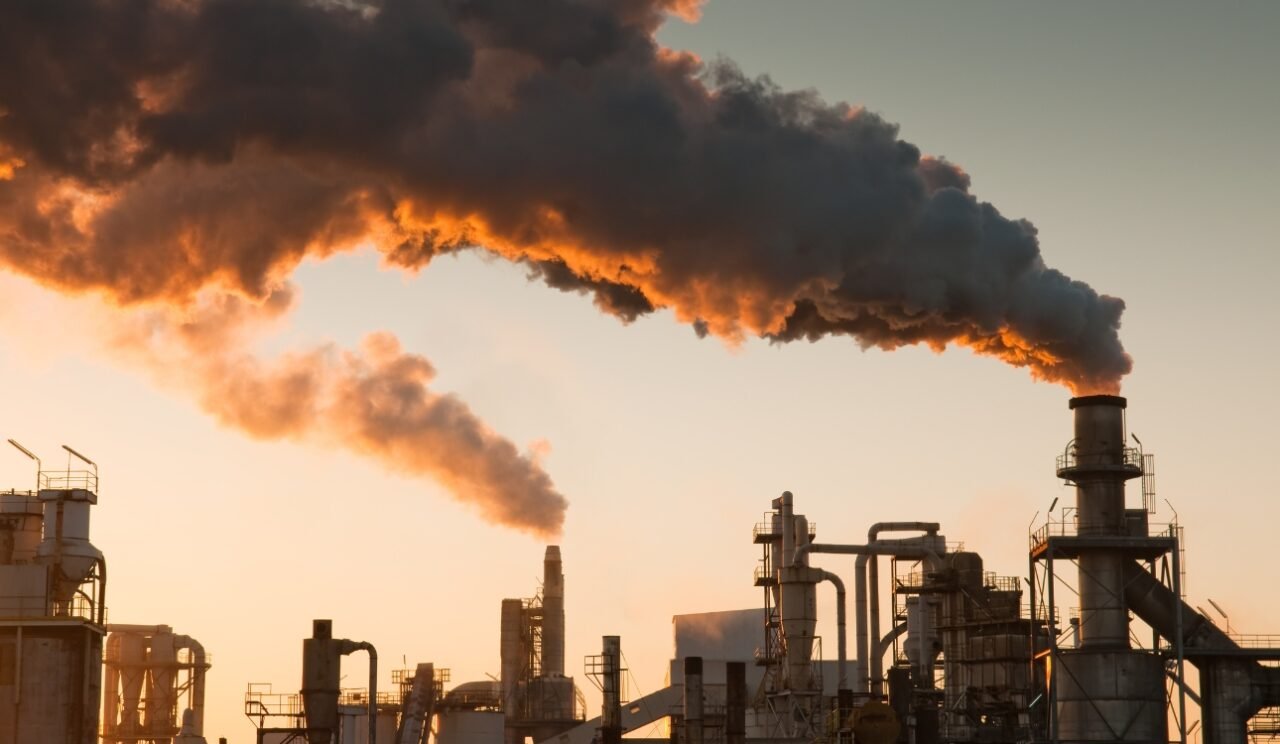
China has announced an ambitious goal to effectively eliminate severe air pollution by the end of 2025 as authorities intensify efforts to control emissions and improve air quality. The plan, part of the country’s ongoing “battle for blue skies,” was outlined by Li Tianwei, Director of the Department of Atmospheric Environment.
To achieve this target, China will implement stricter emission standards, enhance air quality forecasting, and expand early warning systems. Authorities will focus on reducing PM2.5 and ozone levels—two major pollutants linked to respiratory diseases. The government also plans to increase the adoption of new energy vehicles in key sectors such as airports and logistics while shifting bulk transportation of goods from roads to rail and waterways.
China has made significant progress in tackling air pollution over the past decade. In 2024, the average PM2.5 concentration in Chinese cities dropped to 29.3 micrograms per cubic meter—a 2.7% reduction from the previous year. The percentage of days with good air quality increased to 87.2%, reflecting a steady improvement. However, despite these efforts, air pollution remains a major public health issue, contributing to approximately 2 million deaths annually, according to the World Health Organization.
The initiative aligns with China’s 14th Five-Year Plan (2021-2025), which includes a commitment to reduce PM2.5 density in cities by 10% compared to 2020 levels. President Xi Jinping has repeatedly emphasized the importance of environmental protection in China’s long-term development strategy.
While China has invested heavily in renewable energy and surpassed several domestic green targets, its reliance on coal remains a challenge. Balancing economic growth with environmental sustainability will be crucial as the country works toward its pollution-free goal by 2025.