

 Edupreneur Editorial Team
Global Markets Slide Amid Trump’s Tariff Rollout
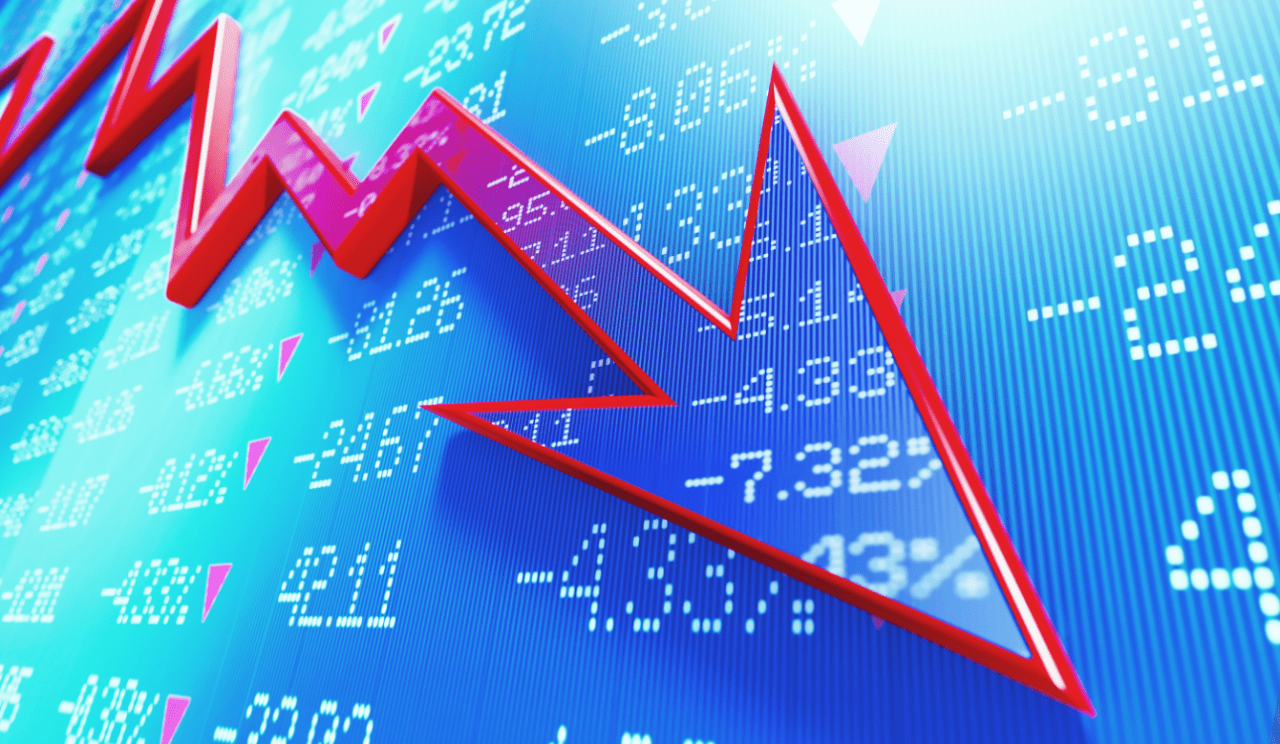
Global stock markets experienced a widespread decline on Thursday, April 3, 2025, following U.S. President Donald Trump’s announcement of new tariffs. The policy establishes a 10% tariff on all imported goods, with significantly higher rates for specific trading partners; 34% on products from China, 20% on those from the European Union, 24% on Japanese items, and 46% on Vietnamese merchandise. The general tariffs are set to take effect on April 5, with the elevated rates beginning on April 9.
U.S. market indicators responded sharply to the news. Futures for the Dow Jones dropped by over 1,200 points, while those for the S&P 500 and Nasdaq 100 fell by 3.4% and 4% respectively. High-profile technology firms suffered substantial losses; shares of companies such as Apple, Tesla, and Nvidia declined by roughly 7.5%, nearly 6%, and 5.5% respectively.
The impact was felt globally as well. European and Asian stock indices, including Germany’s DAX and Japan’s Nikkei, registered declines of 2.4% and 2.8% respectively. Investors quickly shifted towards safe-haven assets, with gold prices surging to record levels and the U.S. dollar weakening against major currencies amid fears of escalating trade tensions.
Analysts have raised concerns that the new tariffs could hinder global economic growth and exacerbate inflationary pressures. The retail sector in the U.S., represented by companies like Nike and Dollar Tree, saw significant stock drops exceeding 11%, while Treasury yields and oil prices also fell, with oil declining by more than 4%.
Several global leaders have warned that these measures might trigger further trade disruptions, highlighting the potential for a broader conflict if retaliatory steps are taken. The situation remains dynamic, with market participants and policymakers closely monitoring any signs of additional shifts in economic policy.