
 James Obasi
ICYMI: Full List — Trump Imposes U.S. Entry Restrictions on Nigeria and 23 Other Countries
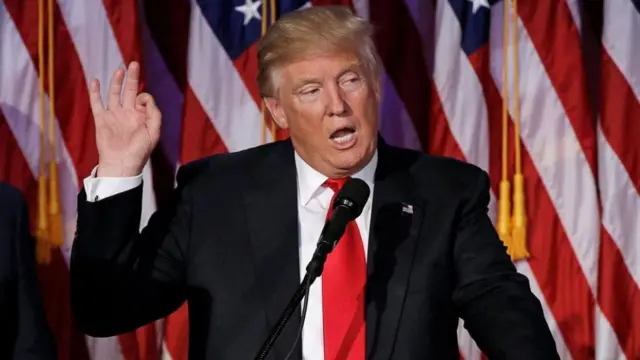
President Donald Trump on Tuesday unveiled expanded entry restrictions affecting foreign nationals from 24 countries, citing what he described as “persistent and serious shortcomings in screening, vetting, and information-sharing” that pose risks to U.S. national security and public safety.
The decision was announced in a fact sheet released on the White House website titled “President Donald J. Trump Further Restricts and Limits the Entry of Foreign Nationals to Protect the Security of the United States.”
According to the document, the new proclamation imposes a full suspension on eight countries and a partial suspension on 16 others. The measures affect both immigrants and nonimmigrants holding B-1, B-2, B-1/B-2, F, M, and J visas.
The administration said the action is aimed at preventing the entry of individuals for whom the United States lacks sufficient information to properly assess potential risks, while also strengthening enforcement of immigration laws and advancing national security goals.
Countries Under Full Suspension
The full suspension applies to the following, based on security concerns, high visa overstay rates, ongoing conflict, terrorism activity, or failure to accept repatriated nationals:
- Burkina Faso
- Laos
- Mali
- Niger
- Sierra Leone
- South Sudan
- Syria
- Travel documents issued or endorsed by the Palestinian Authority
Countries Under Partial Suspension
(Applies to immigrants and nonimmigrants on B-1, B-2, B-1/B-2, F, M, and J visas)
- Angola
- Antigua and Barbuda
- Benin
- Côte d’Ivoire
- Dominica
- Gabon
- The Gambia
- Malawi
- Mauritania
- Nigeria
- Senegal
- Tanzania
- Tonga
- Zambia
- Zimbabwe
In the case of Turkmenistan, restrictions on nonimmigrant visas were lifted after progress in identity management and information sharing, though immigrant entry remains suspended due to unresolved concerns.
Regional Breakdown
Africa: Burkina Faso, Mali, Niger, Sierra Leone, South Sudan, Angola, Benin, Côte d’Ivoire, Gabon, The Gambia, Malawi, Mauritania, Nigeria, Senegal, Tanzania, Zambia, Zimbabwe
Asia: Laos, Syria, Turkmenistan
Caribbean/Oceania: Antigua and Barbuda, Dominica, Tonga
Middle East/Palestinian Territories: Palestinian Authority–issued travel documents
Background and Broader Context
The fact sheet emphasizes that the restrictions are necessary to protect U.S. citizens by limiting entry from locations where reliable risk assessment is difficult. The move follows a series of immigration actions taken during Trump’s second term, including expanded deportation efforts and heightened scrutiny of migrants from countries classified as security concerns.
Earlier executive orders had already banned or restricted entry from several countries, while directing U.S. agencies to review compliance with new screening and information-sharing requirements. Officials say the latest proclamation reflects the outcome of those reviews and reinforces the administration’s hardline stance on migration and border security.
What Full and Partial Restrictions Mean
- Full suspension: Generally blocks entry and halts most new immigrant and nonimmigrant visas, with limited exceptions such as diplomats or lawful permanent residents.
- Partial suspension: Restricts specific visa categories, tightens vetting procedures, shortens visa validity, and imposes additional screening requirements before entry is approved.