

 Lifestyle & Wellness Desk
Japan Creates Migration Programme for Nigerians, Designates Kisarazu as “Hometown”
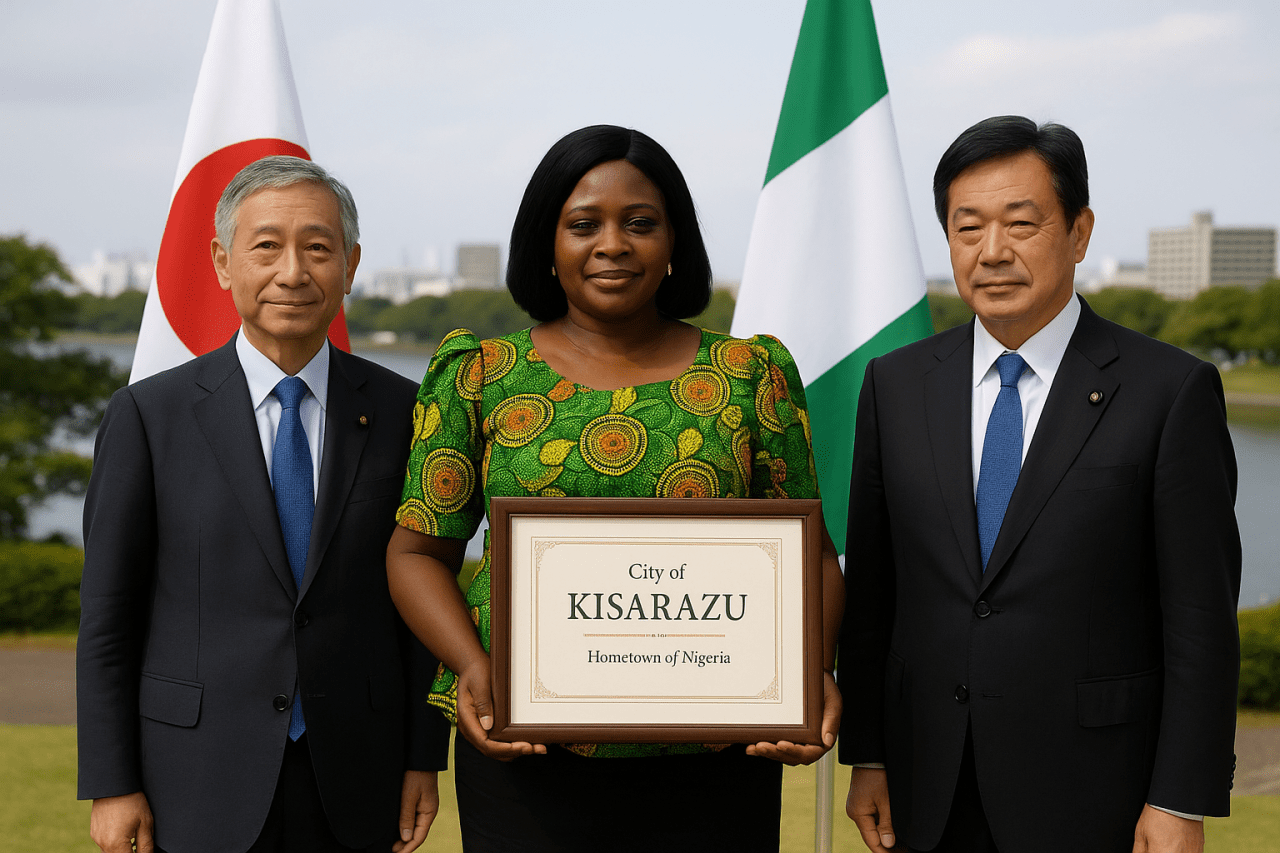
The Japanese government has announced a new migration initiative that designates the city of Kisarazu as the official hometown for Nigerians seeking to live and work in Japan. The programme, unveiled on Thursday during the 9th Tokyo International Conference on African Development (TICAD9), is part of Japan’s broader efforts to strengthen cultural diplomacy, support economic growth, and address workforce shortages.
Special Visa Programme for Nigerians
As part of the arrangement, Japan will introduce a special visa category tailored to highly skilled, innovative, and talented young Nigerians interested in relocating to Kisarazu. The initiative also extends to artisans and blue-collar workers from Nigeria who are willing to upskill and contribute to Japan’s workforce.
The programme builds on Kisarazu’s previous ties with Nigeria—most notably, the city hosted the Nigerian Olympic contingent during the COVID-19-delayed Tokyo 2020 Games, providing training facilities and cultural support before the team moved into the Olympic village.
Expanding Partnerships Across Africa
In addition to Nigeria, Japan’s International Cooperation Agency (JICA) named three other African “hometowns” to promote deeper ties:
- Nagai (Yamagata Prefecture) for Tanzania
- Sanjo (Niigata Prefecture) for Ghana
- Imabari (Ehime Prefecture) for Mozambique
These designations aim to formalize existing city-to-country connections and create platforms for manpower development, exchange programmes, and mutual growth.
Nigeria’s Charge d’Affaires and Acting Ambassador to Japan, Florence Adeseke, alongside Kisarazu’s Mayor Yoshikuni Watanabe, formally received the certificate marking the city as Nigeria’s hometown in Japan.
Strategic Goals and Benefits
The Japanese government hopes the programme will help address population decline and support regional revitalisation by encouraging inflows of young, skilled Africans. For Nigeria and the other partner countries, the initiative offers expanded opportunities for youth employment, skills transfer, and cultural exchange.
Speaking at TICAD9, Japanese Prime Minister Shigeru Ishiba highlighted Japan’s commitment to Africa’s development while stressing the need for “co-creation” between both regions. He announced $5.5 billion in new investments in Africa, with a focus on private sector-led growth, youth and women empowerment, and regional integration.
“Japan is providing various cooperation and support for Africa. But first of all, Japan needs to know more about Africa,” Mr. Ishiba said. He also appealed to African nations for collaboration as Japan navigates its own demographic and agricultural challenges.