
 Lifestyle & Wellness Desk
Kano Spends N800m on Capacity Building for Livestock Development
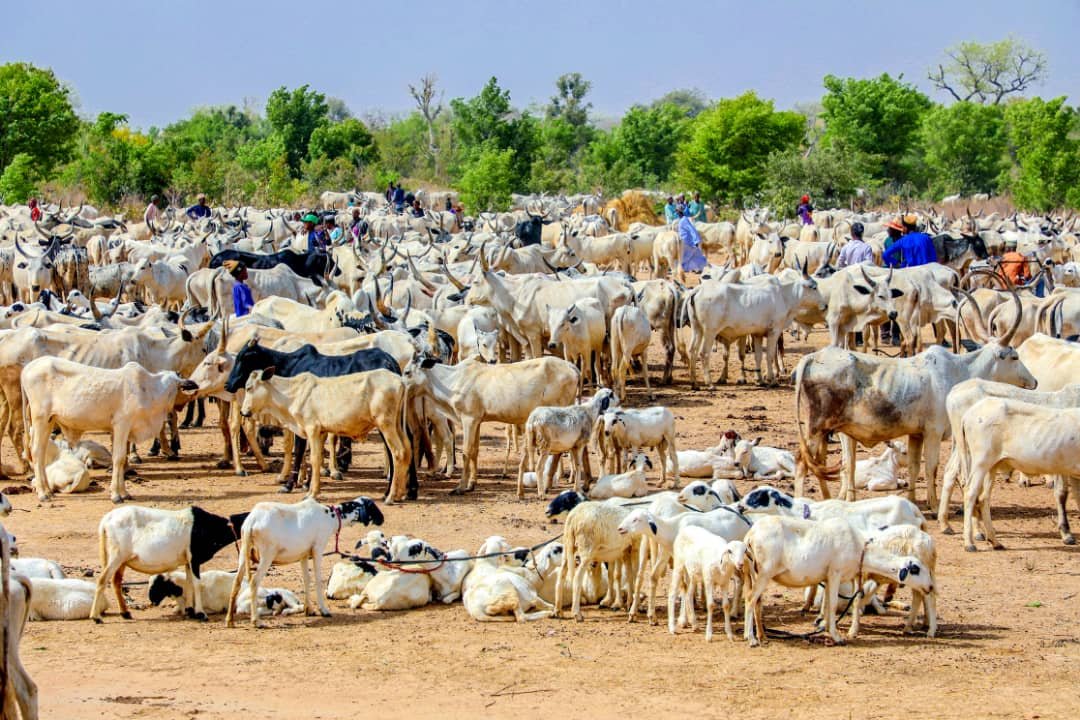
The Kano State Agro-Pastoral Development Project (KSADP) has invested approximately ₦800 million in capacity-building initiatives aimed at training stakeholders, including project beneficiaries and staff, to enhance the sustainability and impact of the programme.
This was revealed in a statement released on Saturday by the KSADP Communication Specialist, Ameen Yassar.
According to the statement, the KSADP Project Coordinator, Ibrahim Muhammad, made the disclosure during the launch of a training session at the Kadawa Artificial Insemination Centre. The current training focuses on artificial insemination for animal husbandry technicians and livestock personnel from the state Ministry of Agriculture.
Muhammad explained that the programme is part of a wider effort to reintroduce and institutionalise artificial insemination in Kano to support long-term livestock development.
“These training sessions are designed to strengthen the knowledge, skills, and resources of participants, empowering them to contribute meaningfully to the project’s goals,” he stated.
Kano plays a critical role in Nigeria’s livestock industry, with over 1.21 million households involved in cattle rearing, 1.46 million in goat farming, and 1.15 million in sheep production. In 2023, the livestock sector contributed over ₦1.73 trillion to the state’s sub-national GDP.
Beyond training, the KSADP has renovated the Kadawa centre, provided five exotic bulls, and equipped it with modern tools. The project, jointly funded by the Islamic Development Bank and the Lives and Livelihoods Fund, aims to ensure efficient service delivery and long-term sustainability of the once-abandoned facility.
Muhammad also disclosed that an additional ₦125 million has been allocated to further upgrade the centre, including input supplies, fencing, and the establishment of a two-hectare fodder farm to provide feed for livestock.
He urged participants to fully engage in the workshop, noting that the project’s goals of improved breeding and higher milk yields depend on their performance.
A trainee, Sulaiman Audu, expressed appreciation to the funders, saying the training would significantly enhance their skills and career prospects.
The intensive workshop, delivered in partnership with the Federal College of Agricultural Produce Technology, Kano, includes both theoretical and hands-on training in semen collection, freezing and storage, breed selection, animal health, and record-keeping.
Earlier in August 2025, KSADP also signed a revised Memorandum of Understanding worth over $12.3 million with Sasakawa Africa Association to procure agricultural machinery aimed at boosting mechanisation and improving food security across the state.