

 Tech & Tools Desk
Mpox Continues to Spread in Nigeria as Vaccine Access Remains Limited
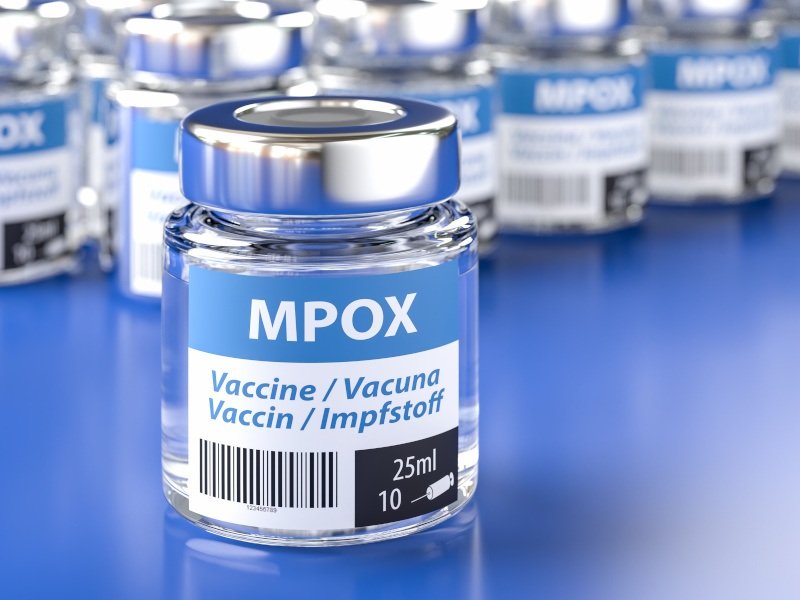
Health experts have raised concerns that Mpox, a viral disease that affects both humans and animals, continues to circulate in Nigeria, presenting an ongoing public health challenge.
Despite progress made in controlling the disease, Nigeria still faces limited access to vaccines for high-risk populations, poor public awareness, misconceptions, stigma, and gaps in healthcare accessibility.
The warnings were issued during a webinar titled, “Mpox Resurgence in Nigeria: Efforts, Challenges and Recommendations,” hosted by the CEO of Preventive Health Nigeria Advocacy Operations Ltd, Pharm Adekola Wojuola.
According to the World Health Organization, Mpox—formerly known as monkeypox—can cause fever, headache, muscle aches, back pain, low energy, swollen lymph nodes, and a painful rash.
Prof. Isaac Adewole, former Minister of Health and Senior Health Diplomacy and Policy Consultant at Africa CDC, stated that as of week 47 in 2025, Nigeria had recorded 1,623 suspected cases, 414 confirmed cases, and six deaths across 33 states. Only four states remain unconfirmed for Mpox.
He noted that while no new deaths had been recorded in recent weeks, the disease continues to spread through close face-to-face contact, respiratory droplets, contact with contaminated objects, and can even occur during pregnancy or childbirth. Prof. Adewole emphasized that individuals without visible rashes can still transmit the virus.
Characteristic symptoms include fever, skin rashes, and swollen lymph nodes, which may be mild or severe, particularly in children, pregnant individuals, and people with weakened immune systems, including those living with HIV, diabetes, or liver conditions. Lagos, Rivers, and Bayelsa have been identified by the Nigeria Centre for Disease Control (NCDC) as states requiring heightened vigilance.
On prevention, Prof. Adewole stressed that there is currently no specific treatment for Mpox. Measures should focus on prevention, including avoiding close contact with infected persons, steering clear of animals that may carry the virus, proper protection for healthcare workers, frequent handwashing, and targeted vaccination for high-risk groups.
He also highlighted the revised National Mpox Guidelines developed by the NCDC with WHO support, which include home-based care protocols allowing mild cases to be managed at home to reduce the burden on hospitals.
Challenges remain due to limited resources, insufficient vaccines, stigma, and misinformation. Prof. Adewole called on government at all levels, non-governmental organizations, and other stakeholders to collaborate in addressing the outbreak.
“Mpox is not over. It is still actively circulating in Nigeria. We need to improve vaccine distribution, raise awareness, combat misconceptions, and address underreporting due to stigma and limited access. No state is immune, and we must all act together,” he said.
Dr. Sebastian Oiwoh, Consultant Physician, Dermatologist, and Venereologist at Irrua Specialist Teaching Hospital, noted that managing Mpox goes beyond healing lesions. Pigmentation changes, scarring, and psychological impacts may persist long after recovery. He highlighted both human-to-human and animal-to-human transmission, pointing to rope squirrels and sooty mangabey monkeys as possible virus carriers.
Home-based care for mild cases requires a separate space and close linkage with primary healthcare providers. Dr. Oiwoh also warned that Mpox can affect the eyes, posing a risk of blindness if not treated properly. Proper lesion care, strong community engagement, vaccination advocacy, and inclusion of survivors in awareness campaigns are crucial to controlling the disease.
Prof. Richard Adegbola, Microbiologist and Founder of RAMBICON Nigeria, emphasized that Mpox remains a global emergency, with Africa accounting for a significant share of the ongoing outbreak. While fatalities are manageable, they are higher in underserved areas, and pediatric cases are rising, mainly through household contact.
He recommended integrated disease surveillance, expanded genomic sequencing, improved case management, and a national vaccination strategy targeting high-risk groups, including young children. Public education, trusted community influencers, and increased clinical trials in Africa were also highlighted as necessary measures.
Prof. Adegbola urged sustained “one-health” approaches integrating human, animal, and environmental health to achieve effective control and support progress toward sustainable development goals.
The webinar concluded that early diagnosis, proper lesion care, mental health support, and survivor-led advocacy are essential to reducing Mpox transmission and stigma in Nigeria.