

 James Obasi
10 Key Nutrients Your Child Needs for Healthy Growth
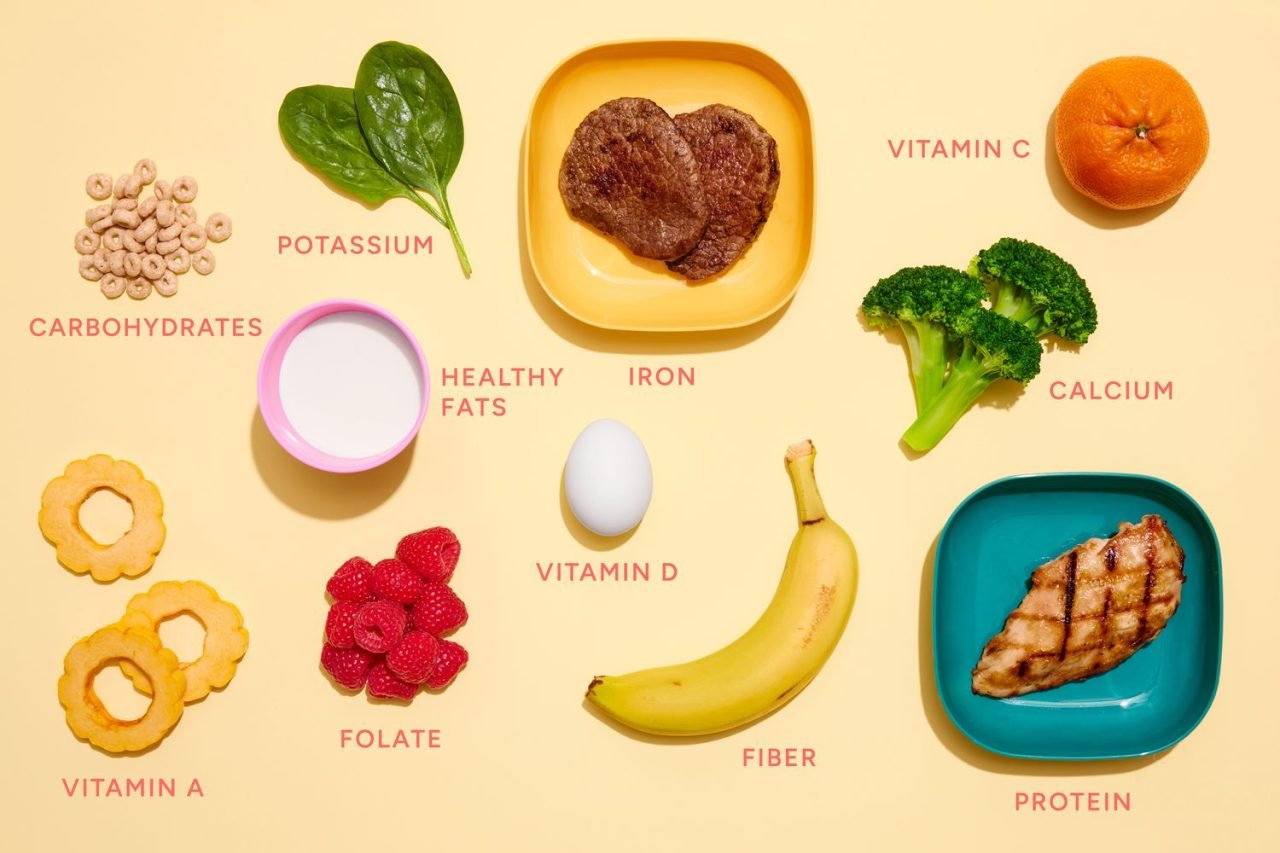
As children grow, their bodies and brains require a steady supply of the right nutrients to stay healthy, active, and sharp. Many parents often wonder what makes up a balanced diet that supports proper development.
Nutrition experts recommend offering a variety of foods from all major food groups to ensure children receive the fuel they need.
The United Nations Children’s Fund (UNICEF), in a 2023 nutrition report, emphasized that good nutrition is critical for early childhood development and provides children with the opportunity to reach their full potential. The report highlighted the importance of investing in essential areas during the first years of life to improve lifelong health, nutrition, and well-being.
Prof. Wasiu Afolabi, former President of the Nutrition Society of Nigeria, advises parents to provide meals that supply adequate protein, vitamins, and essential minerals. Children need well-rounded nutrition to grow both mentally and physically, he explains.
“Children require not just energy, but also protein, vitamins, and minerals,” Afolabi says, cautioning that poor dietary choices can hinder growth and overall development. He encourages parents to prioritise variety in meals. “If a particular food is costly, there are usually alternatives that provide the same nutrients. Combining affordable local foods can ensure children get all the essential nutrients they need,” he adds.
Nutritionists stress that no single food provides all necessary nutrients at once. A colourful, diverse plate is the most effective approach. Specially formulated growing-up milk, such as Peak 456, also contains several essential nutrients in the right amounts to support healthy growth.
Below are 10 essential nutrients every child needs:
1. Protein
Protein builds strong muscles, bones, and a healthy brain. Sources include lean meats, fish, eggs, beans, and nuts.
2. Carbohydrates
Carbohydrates provide the energy children need to run, jump, and play. Whole grains like whole-wheat bread, brown rice, and sweet potatoes are excellent choices.
3. Healthy fats
Healthy fats help absorb vitamins, build brain cells, and keep children full. Examples include avocados, fatty fish such as salmon, and nuts (in moderation).
4. Calcium
Calcium supports strong bones and teeth. Sources include dairy products like growing-up milk and cheese, as well as leafy greens like kale and broccoli.
5. Iron
Iron is essential for red blood cells, which carry oxygen throughout the body. Adequate iron keeps children energized and focused. Sources include lean meats, beans, lentils, and fortified cereals.
6. Vitamin A
Vitamin A supports vision and strengthens the immune system. Foods rich in vitamin A include sweet potatoes, carrots, spinach, and broccoli.
7. Vitamin C
Vitamin C aids wound healing and immune function. Citrus fruits such as oranges and grapefruits, bell peppers, and strawberries are excellent sources.
8. Vitamin D
Vitamin D helps the body absorb calcium for strong bones. Sunlight exposure, fatty fish, and fortified milk are good sources.
9. Fibre
Fibre promotes a healthy digestive system. Whole grains, fruits, and vegetables provide essential fibre for smooth digestion.
10. Potassium
Potassium helps regulate fluid balance and supports proper muscle function. Sources include bananas, potatoes, and leafy greens.
By providing these key nutrients through a varied and balanced diet, parents can help their children grow strong, healthy, and ready to reach their full potential.

