

 Lifestyle & Wellness Desk
Naira Holds Below ₦1,500/$ for 10 Consecutive Days
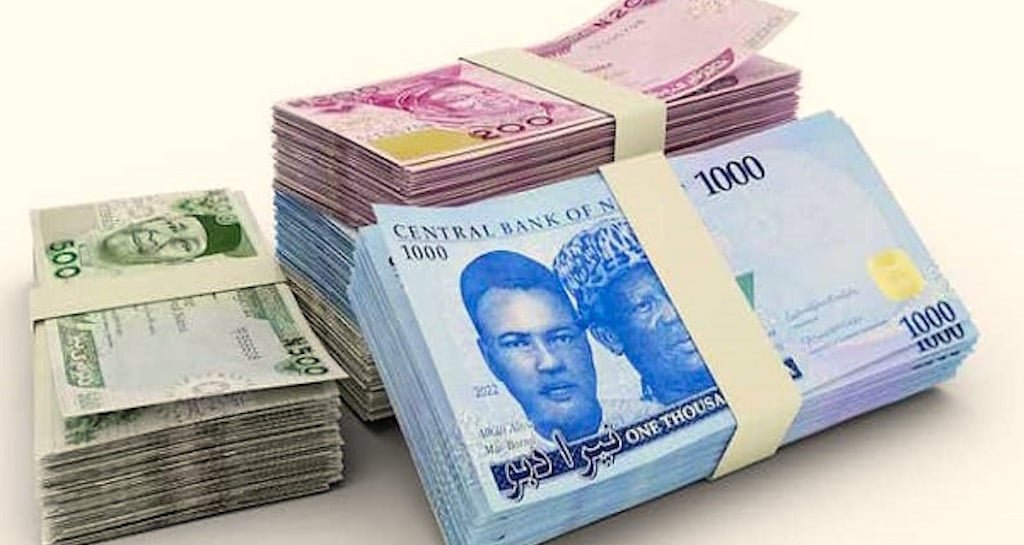
The naira has maintained its strength at the official foreign exchange market, trading below the ₦1,500/$ threshold for 10 consecutive sessions, according to data from the Central Bank of Nigeria (CBN).
The local currency first dipped below the ₦1,500/$ mark on September 15, closing at ₦1,497/$ — its strongest level in more than six months. Since then, it has continued to appreciate, ending last Friday’s session at ₦1,480/$.
At the parallel market, the naira also posted marginal gains, appreciating by 0.13 per cent to an average of ₦1,510/$.
External reserves have provided additional support for the currency, rising to $42.23 billion from $42.03 billion over the past week, a 0.47 per cent increase. Analysts noted that the build-up in reserves has enhanced the CBN’s capacity to stabilise supply-demand imbalances while boosting confidence in near-term exchange rate stability.
Reviewing last week’s performance, AIICO Capital attributed the naira’s resilience to improved liquidity from local market participants, oil inflows, and offshore portfolio investments. The firm highlighted that early trading sessions saw balanced supply and demand dynamics, with rates anchored around ₦1,492–₦1,495/$. Midweek pressures briefly pushed the rate to ₦1,498/$ before fresh dollar inflows and modest CBN interventions — estimated at $20 million across sessions — eased market tensions.
By the close of the week, foreign portfolio inflows supported favourable liquidity conditions, strengthening the naira further into the ₦1,471–₦1,487/$ range. Overall, the currency appreciated by about 49 basis points week-on-week, closing at ₦1,480.66/$ at the Nigerian Autonomous Foreign Exchange Market (NAFEM). AIICO Capital added that FX market stability is expected to persist in the near term, supported by CBN’s policy adjustments and complementary fiscal measures.
Cowry Asset Management Limited expressed similar optimism, projecting relative stability for the naira across markets on the back of stronger FX inflows, rising reserves, and sustained central bank interventions.
Meanwhile, financial experts have welcomed the Monetary Policy Committee’s recent decision to cut the policy rate by 50 basis points. They noted that the move could ease borrowing costs for the real sector, reinforce FX stability, and shift investor sentiment towards equities as fixed-income yields moderate in response to the new macroeconomic outlook.