

 Tech & Tools Desk
NERC: States Reducing Power Rates Must Fund the Subsidy
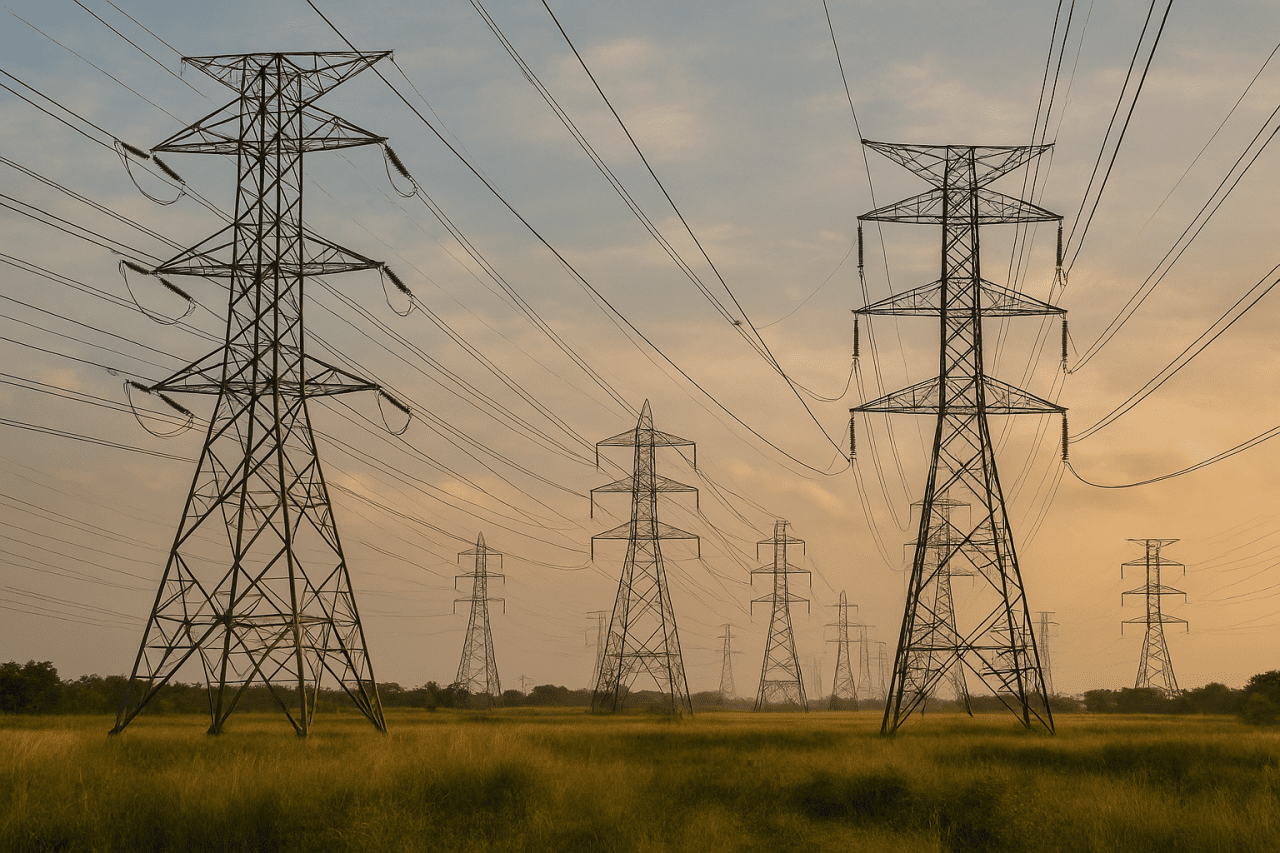
The Nigerian Electricity Regulatory Commission (NERC) has clarified that state governments do not have authority over the national electricity grid or power stations that operate under federal regulations and licenses.
This clarification followed recent developments surrounding the Enugu State Electricity Regulatory Commission’s decision to reduce electricity tariffs for Band A customers.
In a public notice issued on Thursday, NERC advised that state governments must account for the full cost of wholesale electricity supply when setting tariffs. Alternatively, they should be prepared to provide subsidies to cover any resulting shortfalls.
NERC acknowledged that states now exercising full regulatory oversight of their intra-state electricity markets are permitted to develop their own tariff methodologies. However, the commission emphasized that this authority does not extend to power sourced from the national grid or facilities operating under federal licenses.
The commission warned that disregarding these financial realities could destabilize the electricity market. “States must either fully reflect the wholesale costs of power in their tariffs or offer subsidies for any discrepancies. Any deviation risks distorting market dynamics and undermining recovery of generation, transmission, and legacy financing costs in the national electricity sector,” NERC stated.
The commission further noted that no regulatory authority should make decisions that expose the national grid and wholesale electricity market to financial risk. Concerns had emerged over a recent tariff order from Enugu’s regulatory body, which reduced the Band A electricity rate in its jurisdiction to ₦160.4 per kilowatt-hour, down from the previous ₦209/kWh.
NERC pointed out that this reduction was based on lowering the average generation tariff from ₦112.60 to ₦45.75 per kWh, introducing a supposed subsidy component of ₦66.85 per kWh. However, NERC stressed that there is currently no formal policy or financial provision for such a subsidy.
Under Section 34(1) of the Electricity Act, NERC has a legal mandate to preserve an efficient electricity market and ensure the optimal use of resources. While state-level regulators like Enugu’s commission have their own responsibilities under state law, NERC stressed that neither body should adopt measures that could trigger a market imbalance or financial instability.
Ongoing discussions are now taking place between NERC and the Enugu commission to address any misunderstanding regarding the cost of importing power from the national grid. NERC assured stakeholders that it remains committed to maintaining financial sustainability within Nigeria’s electricity supply industry.
Meanwhile, industry groups representing electricity distribution and generation companies cautioned states against reducing tariffs unless they are generating and transmitting power independently.
A senior official representing the Association of Nigerian Electricity Distributors warned that the new Band A rate may be unsustainable. “It’s unrealistic to expect up to 20 hours of daily electricity at ₦160 per kilowatt-hour,” he said.
The tariff adjustment by Enugu State has already sparked wider demands for reductions in other states, with some consumers reportedly refusing to pay their electricity bills. This trend, according to the distribution companies, threatens the financial viability of the national power sector.
The head of the Association of Power Generation Companies echoed these concerns, noting that state regulators cannot independently set prices for electricity they do not produce. “You cannot regulate what you do not generate. Enugu’s decision appears to be based on a non-existent subsidy, which lacks any formal backing from the Federal Government,” she explained.
She further warned that basing key regulatory decisions on assumptions without financial backing is risky and could deter investors. “Tariff frameworks are crucial to investment and operations. You can’t build policy around imaginary support,” she said.
Enugu’s regulatory body, however, defended its position, stating that the new rates reflect a careful evaluation of MainPower’s operational costs. The agency emphasized its intention to build a transparent, accountable, and sustainable sub-national electricity market.
In a statement, its Commissioner for Electricity Market Operations affirmed that while the tariff structure was inherited, the commission is focused on reforming it to better serve the people of Enugu.