

 admin
adminCOLOMBIA ENDS CHILD MARRIAGE: A HISTORIC MILESTONE IN PROTECTING CHILDREN’S RIGHTS
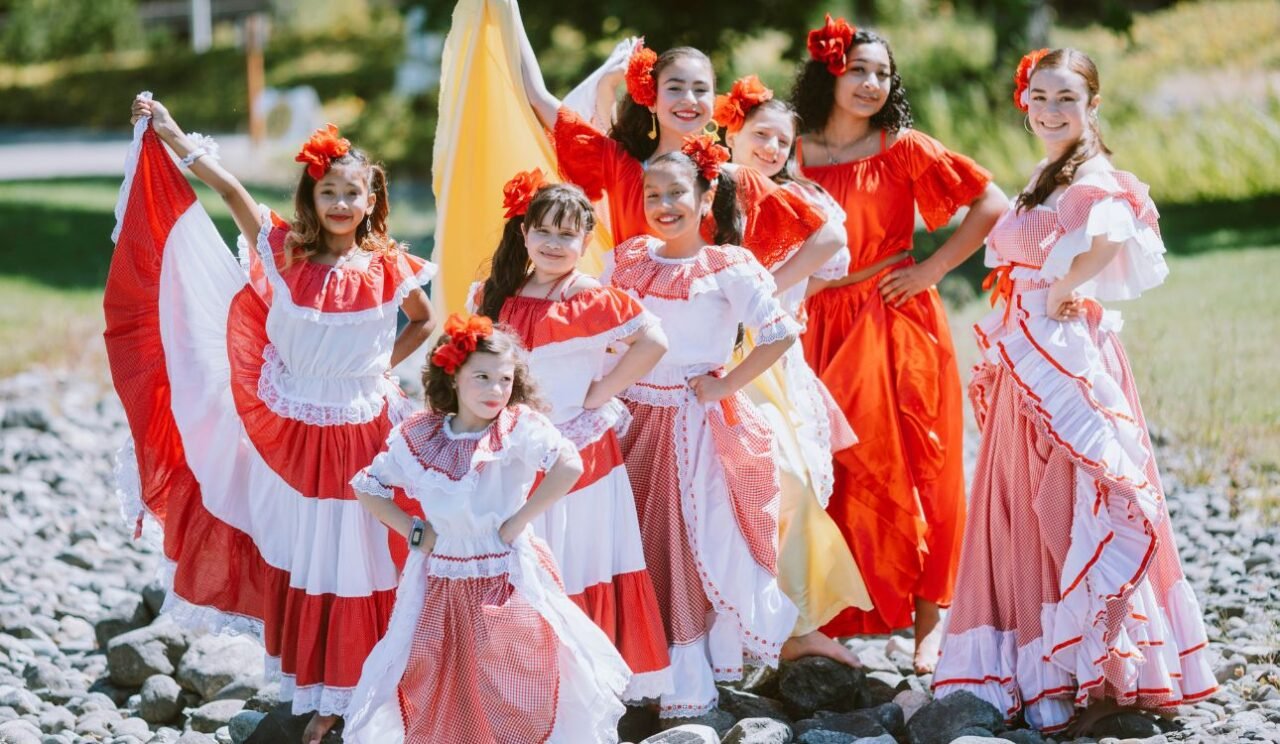
In a groundbreaking decision that has resonated globally, Colombia has officially banned child marriage, marking a pivotal moment in the fight to safeguard children’s rights. After nearly two decades of advocacy and relentless campaigning, the South American nation has closed a 137-year-old legal loophole that allowed minors to be married under certain conditions.
The new legislation, aptly titled “They are Girls, Not Wives,” aims to put an end to the harmful practice of child marriage, which has long deprived young girls of their childhoods, education, and opportunities for personal development. This monumental decision reflects Colombia’s commitment to upholding the rights of its youngest citizens and protecting them from exploitation.
Why This Law Matters
Child marriage has been a contentious issue in Colombia, as it is in many parts of the world. Although Colombia had established 18 as the legal age for marriage, exceptions allowed children as young as 14 to marry with parental consent. This loophole exposed countless young girls to vulnerabilities, including poverty, domestic abuse, and the loss of access to education.
Statistics reveal the grim reality: thousands of girls in Colombia were married off before reaching adulthood, often robbing them of the chance to pursue their dreams and lead independent lives. Child marriage perpetuates cycles of inequality, reinforcing outdated gender norms that prioritize girls’ roles as wives and mothers over their rights to education and self-determination.
With this new law, Colombia has sent a powerful message: the nation will no longer tolerate practices that jeopardize the futures of its children.
The journey to this landmark decision was not easy. Advocacy groups, including child rights organizations and feminist collectives, spent 17 years lobbying for change. Their efforts focused on raising awareness about the devastating impact of child marriage on young girls’ mental, physical, and emotional well-being.
Grassroots campaigns amplified the voices of survivors, drawing attention to the hidden realities of child marriage. Through education and relentless activism, these groups gained the support of policymakers who finally recognized the urgent need for reform.
The passage of the “They are Girls, Not Wives” law is not just a victory for Colombia. it sets an inspiring precedent for other nations grappling with similar issues.

