

 Ifunanya Okafor
Nigeria to Scrap Visa-on-Arrival Policy, Introduces New Entry Requirements
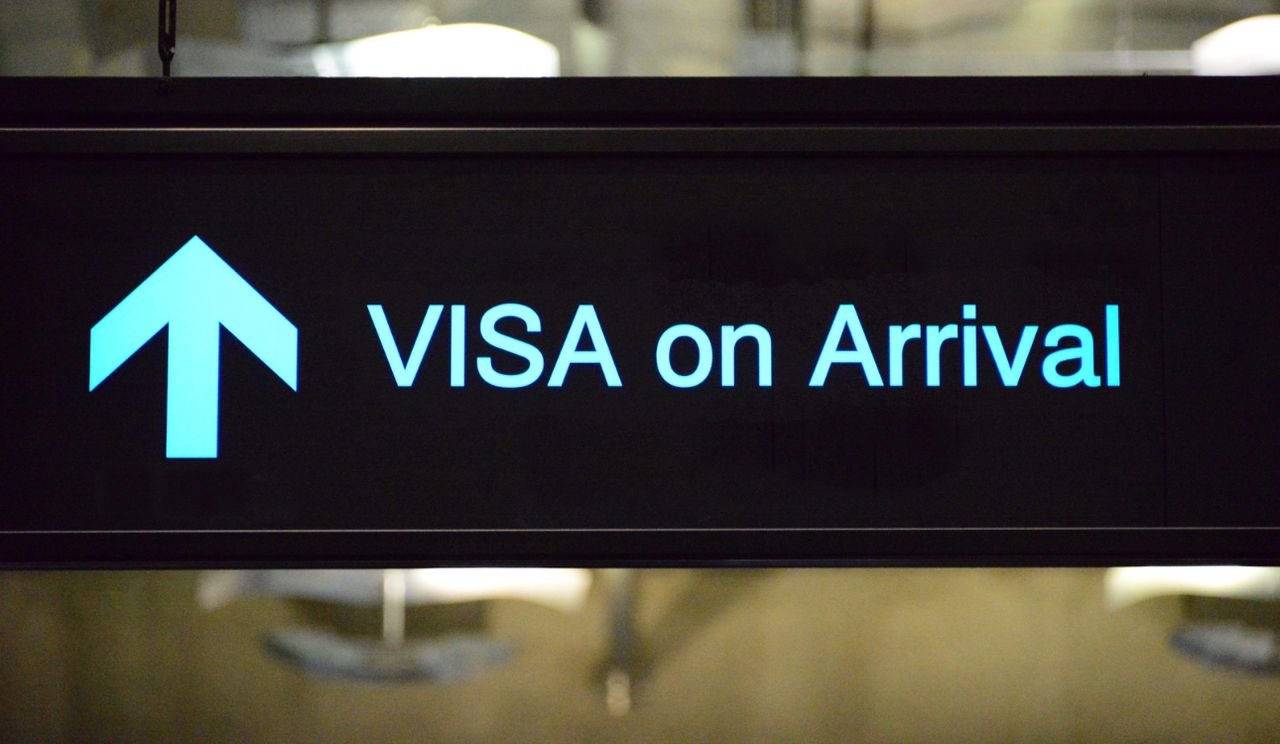
The Nigerian government has announced plans to abolish its visa-on-arrival policy, citing security concerns and operational inefficiencies. The decision, revealed by Minister of Interior Olubunmi Tunji-Ojo, aims to strengthen border control and enhance national security.
New Entry Requirements for Travelers
As part of the revised immigration policy, Nigeria will introduce a mandatory pre-arrival visa system to replace the existing visa-on-arrival process. Travelers will also be required to complete landing and exit cards before entering and leaving the country. This change is expected to improve monitoring and documentation of foreign visitors.
Additionally, the Advanced Passenger Information/Passenger Name Record (API/PNR) system will be extended to land borders, allowing authorities to track travelers more effectively and prevent unauthorized entries.
Why the Policy is Changing
Minister Tunji-Ojo explained that the visa-on-arrival system has created security loopholes, making it easier for undocumented travelers and high-risk individuals to enter Nigeria. He pointed out that some travelers were bypassing visa requirements by entering through neighboring countries before making their way into Nigeria via land routes.
To counter this, the government is integrating the visa process with global security databases, including Interpol and criminal record systems, to conduct thorough background checks before visas are approved.
When Will the New System Take Effect?
The e-visa system is expected to launch between March 1 and April 1, 2025. This digital platform will allow travelers to apply for visas online, reducing processing time and ensuring a more secure verification process.
Impact on Travelers
Foreign visitors planning to travel to Nigeria will need to apply for a visa in advance rather than obtaining one upon arrival. The government urges travelers to stay updated on the new requirements to avoid last-minute complications.
This policy shift marks a significant step in Nigeria’s efforts to tighten border security and streamline immigration processes, aligning with global best practices.