

 Edupreneur Editorial Team
WHO Announces One-Year Staff Contract Limit in Sweeping Cost-Cutting Drive
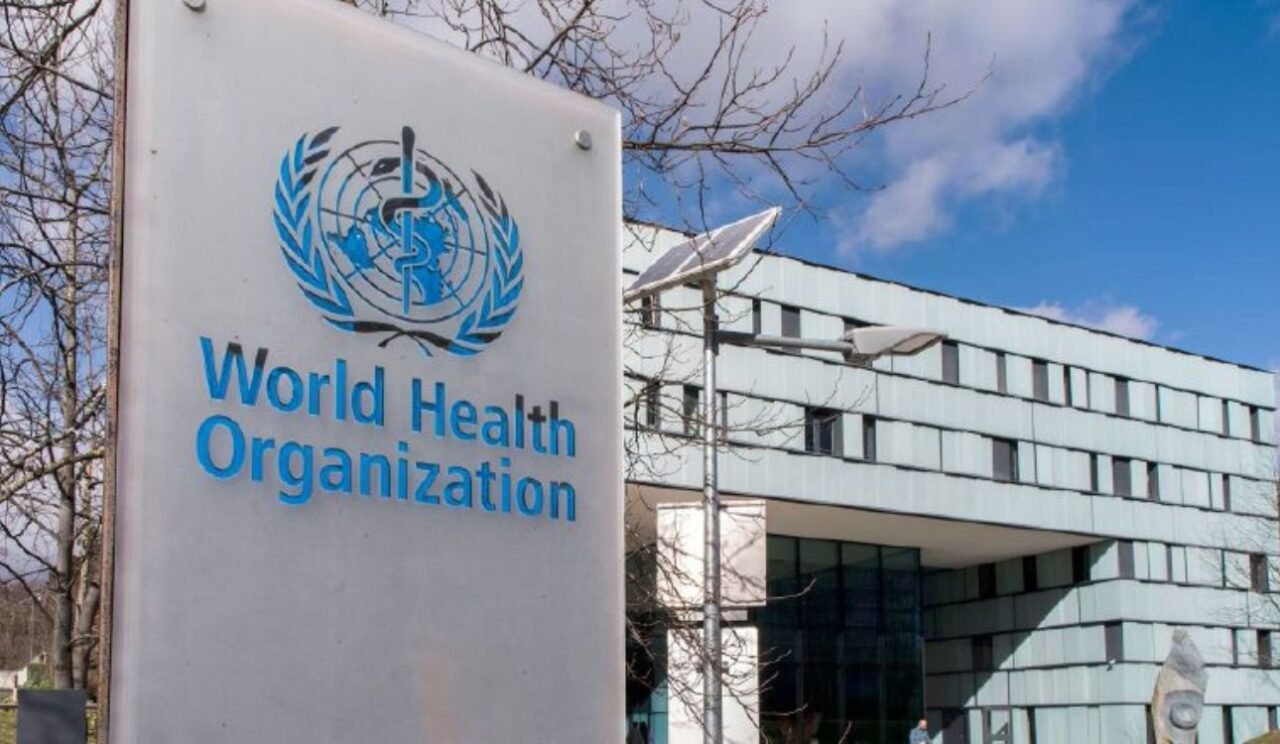
The World Health Organization (WHO) is reining in its expenditures amid a funding shortfall triggered by the United States’ recent withdrawal. An internal memo obtained on Tuesday reveals that the agency will now impose a one-year limit on new staff contracts as part of a broader effort to reset its priorities and ensure long-term financial sustainability.
Restructuring for Sustainability
According to the memo, senior WHO officials have embarked on a comprehensive review of the agency’s priorities, aiming to reallocate resources toward the most critical global health challenges. With the U.S. exit eliminating roughly 18% of the WHO’s funding, the organization now faces the dual challenge of curbing costs while maintaining its international health initiatives.
Key Measures Unveiled
- One-Year Contract Limit: New fixed-term staff contracts will be capped at one year. This measure is designed to afford the organization greater flexibility in adapting to a rapidly changing financial landscape.
- Prioritization Process: WHO leadership is in the midst of a strategic exercise to identify and focus on the highest priority areas. This “prioritization” initiative is seen as a necessary step to preserve the agency’s operational effectiveness despite reduced funding.
- Additional Cost-Reduction Steps: The memo also alluded to other planned initiatives, including reductions in travel expenditures, a freeze on non-critical recruitment, and a shift towards virtual meetings to further trim operational costs.
Broader Implications and Future Steps
The internal document, signed by Assistant Director-General Raul Thomas, candidly acknowledged that “difficult decisions are unavoidable” as the agency grapples with the financial fallout from the U.S. withdrawal. In response, WHO officials are actively pursuing alternative funding avenues from member states, private donors, and philanthropic organizations to bridge the impending budget gap.
This restructuring effort signals a pivotal shift in the WHO’s operational model as it strives to adapt to a new funding environment. While the immediate impact of these changes on global health programs remains to be seen, experts suggest that the move could reshape the agency’s approach to managing international health crises in the future.