

 Lifestyle & Wellness Desk
FG Warns Against Tampering with Tax Laws
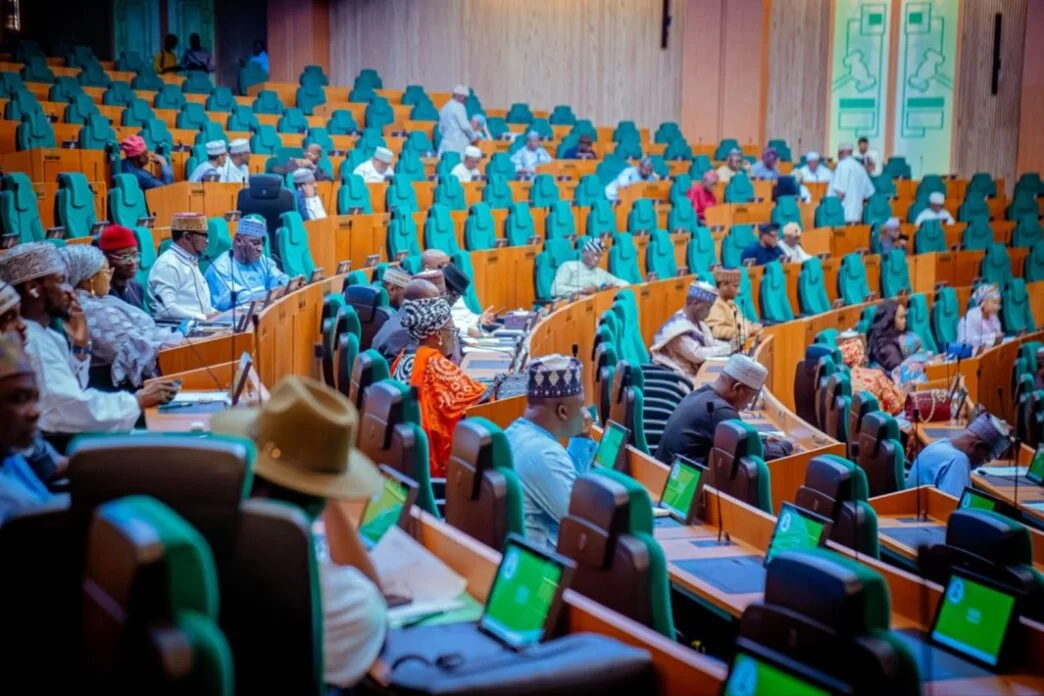
The Chartered Institute of Taxation of Nigeria (CITN) has warned about the risks the country faces due to alleged discrepancies between the tax laws passed by the National Assembly and the versions later gazetted. Observers have advised President Tinubu to heed the guidance of the CITN rather than relying solely on government-appointed officials, some of whom may lack the courage to provide candid advice.
Mr. Taiwo Oyedele, Chairman of the Presidential Committee on Fiscal Policy and Tax Reforms, has been criticized for endorsing the implementation of the gazetted version, despite its deviation from the law passed by the National Assembly. Experts argue that only the law as passed by the legislature can be legitimately enforced, and implementing the gazetted version could create significant legal and economic challenges.
In contrast, Mr. Innocent Ohagwa, the 17th President and Chairman of the CITN Council, emphasized that “the integrity of the legislative process is fundamental to the rule of law” and highlighted that tax legislation requires the highest standards of accuracy, transparency, and procedural fidelity due to its broad implications for government revenue, businesses, professionals, and citizens.
CITN, established on February 1, 1982, under President Shehu Shagari’s administration, was created to provide professional, objective, and independent advice on taxation. The institute has historically avoided political entanglement, focusing instead on ensuring the nation’s tax system operates fairly and transparently.
The origin and purpose of taxation
As Benjamin Franklin famously stated, “In this world, nothing can be said to be certain, except death and taxes.” Historically, taxes were imposed by rulers to fund wars and maintain their own comfort. The rise of democracy shifted the power to tax from monarchs to legislatures, granting citizens oversight and control. Oliver Wendell Holmes, Jr. summarized this principle, stating, “Taxes are what we pay for civilized society.”
Despite democratic oversight, taxes remain subject to political influence, and transparency does not always guarantee fairness. Alexis de Tocqueville noted that in democracies, those who vote for taxes may avoid paying them. This remains relevant in Nigeria, where the incomes of high-ranking officials are often not captured in the tax net, while private citizens bear the full burden. As US President Calvin Coolidge once warned, “The power to tax is the power to destroy… A government which imposes taxes not required by urgent public necessity and sound policy becomes an instrument of tyranny.”
Nigeria’s current predicament
Justice Holmes also remarked in a 1928 case that “The power to tax is not the power to destroy while this court sits,” highlighting the importance of checks and balances. In Nigeria, any attempt to enforce a tax law that bypasses the National Assembly threatens to create an imbalance between the executive and legislative branches.
It is in President Tinubu’s interest to distance himself from any amended tax law that undermines legislative authority. History provides clear warnings: executive overreach has, in the past, led to political and legal repercussions for leaders once power shifted. Multinational companies and investors are likely to hesitate in countries where the legitimacy of tax laws is questionable.
Advisers recommend that if any changes were made to the Tax Law after its passage by the National Assembly, implementation should be delayed. President Tinubu should also publicly distance himself from those promoting the amendments to safeguard the nation’s legal and economic integrity.

