

 Tech & Tools Desk
Minister Criticises Trump’s Remarks on NATO Troop Presence in Afghanistan as Disappointing
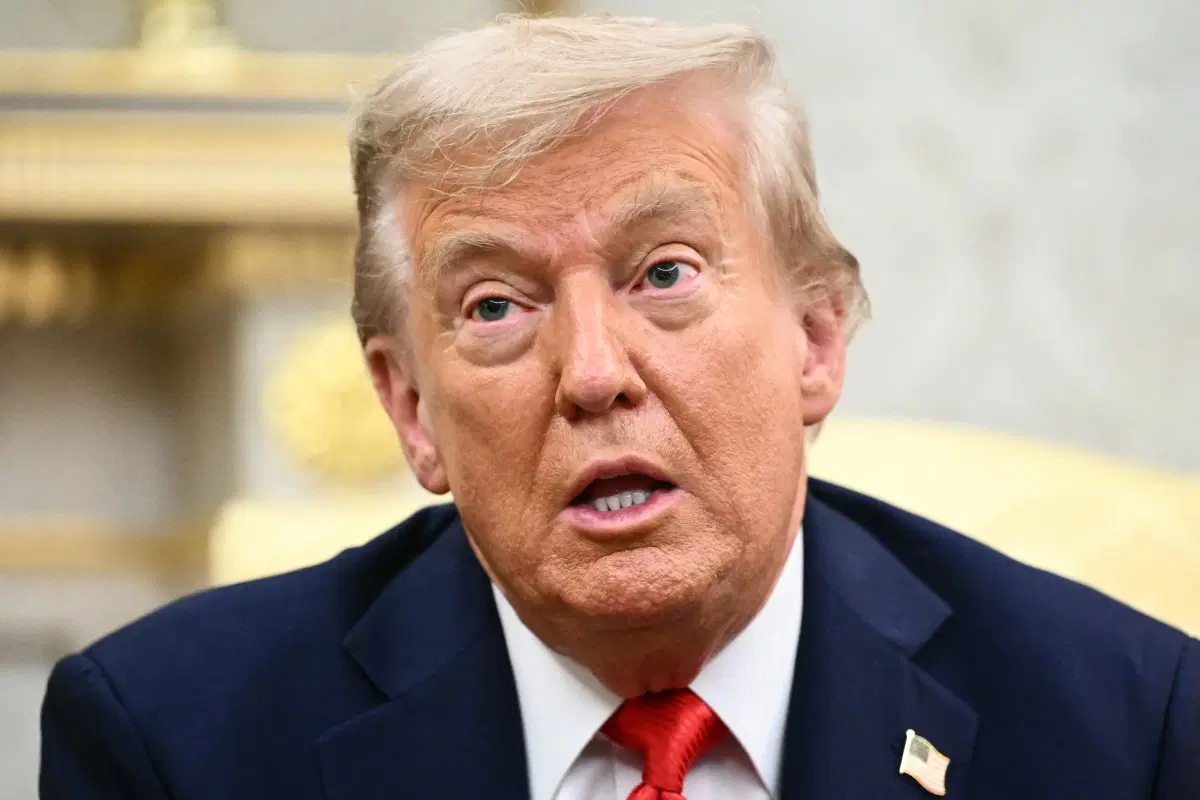
Donald Trump’s assertion that Nato forces stayed “a little off the front lines” during the war in Afghanistan has been criticised as disappointing by a UK minister.
Health and Social Care Minister Stephen Kinnock said British forces and other allies had consistently stood alongside the United States and played an active role in US-led operations. He stressed that the UK and its partners had made significant sacrifices throughout the conflict.
Labour MP Emily Thornberry described Trump’s remarks as an “absolute insult” to the 457 British service personnel who lost their lives, while Liberal Democrat leader Sir Ed Davey questioned how the former president could challenge the sacrifices made by allied troops.
The UK joined the US-led intervention in Afghanistan in 2001 after Nato invoked its collective defence clause in response to the 9/11 attacks. Kinnock paid tribute to British soldiers killed in the conflict, describing the armed forces as a symbol of courage, professionalism, and dedication. He said their willingness to risk their lives in defence of the country made Trump’s comments deeply disappointing.
Speaking separately, Kinnock said any attempt to diminish the contributions or sacrifices of allied forces was plainly wrong.
Conservative MP Ben Obese-Jecty, who served in Afghanistan, said it was troubling to see the sacrifices of British troops and Nato partners dismissed so lightly.
Trump made the comments during an interview with Fox News, saying he was uncertain whether Nato allies would support the US in a future crisis. He claimed the alliance had never truly been tested and suggested that while other nations sent troops to Afghanistan, they remained away from the front lines.
He also argued that the US had done more for Europe than it had received in return, saying alliances must operate on a reciprocal basis.
Reacting to the remarks, Thornberry said they went far beyond a simple error, accusing Trump of disrespecting those who fought and died. She said the UK had always supported the US when called upon and criticised Trump’s leadership style, arguing it undermined both allies and Nato itself.
Conservative shadow cabinet member Stuart Andrew also condemned the comments as disgraceful, noting that many service members returned from Iraq and Afghanistan with life-altering injuries. He said the UK-US relationship remained vital for global security.
Sir Ed Davey also criticised Trump on social media, highlighting that the former president avoided military service and questioning his right to cast doubt on the sacrifices of others.
Dutch Foreign Minister David van Weel rejected Trump’s remarks as false, stating that European troops shed blood alongside American forces in Afghanistan. He said similar claims had already been challenged by Nato Secretary General Mark Rutte and stressed the importance of correcting the record when history is misrepresented.
Obese-Jecty said his firsthand experience in Afghanistan showed the reality of the sacrifices made by British soldiers and argued that Trump’s comments did not reflect the views of US military personnel.
Labour MP and former RAF officer Calvin Bailey, who served alongside US special forces, said Trump’s account bore no resemblance to the experiences of those who fought in the conflict. He said allied troops were united by shared values rooted in freedom and resistance to tyranny, values that shaped the response to the 9/11 attacks.
A defence spokesperson later pointed to remarks by Defence Secretary John Healey, who said allied forces trained, fought, and in some cases died together in Afghanistan, making the ultimate sacrifice.
The US-led invasion began in October 2001 with the aim of removing the Taliban, who were accused of sheltering al-Qaeda leaders responsible for the 9/11 attacks. Nato members contributed troops and equipment to the mission.
By the time US forces withdrew in 2021, more than 3,500 coalition troops had died, roughly two-thirds of them American. The UK recorded the second-highest number of military fatalities after the US, with 2,461 deaths overall.
The US remains the only Nato member to have invoked Article 5, which states that an attack on one alliance member is considered an attack on all.

