

 Lifestyle & Wellness Desk
Implications of Easing Tensions with China for the UK Economy
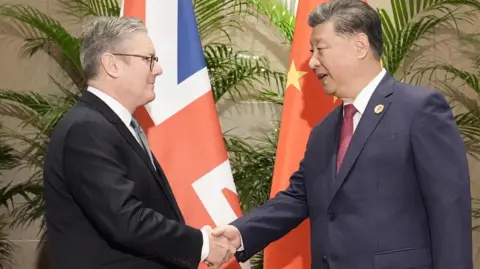
Sir Keir Starmer’s visit to China this week signals a potential end to the diplomatic “ice age” that has characterised UK–China relations in recent years.
Both leaders are facing domestic economic pressures and are exploring new opportunities for trade and investment.
For Sir Keir, the first UK prime minister to visit China since Theresa May in 2018, the trip offered a platform to showcase British strengths in sectors such as finance, pharmaceuticals, healthcare, clean energy, and automotive manufacturing.
President Xi Jinping sought to demonstrate that China remains a reliable partner for Western economies amid ongoing global trade tensions.
While no comprehensive free trade agreement was reached, the visit marked a cautious but tangible reset of UK–China economic ties. Agreements covering visas, services, healthcare, green technology, and finance, combined with revived dialogue, could enhance access for British firms to Chinese markets and attract greater Chinese investment in the UK.
Key agreements and deals
AstraZeneca announced plans to invest $15 billion (£11 billion) in China over the next four years, expanding research and pharmaceutical manufacturing—its largest investment in the country to date.
In the energy sector, British company Octopus Energy is entering the Chinese market through a partnership with local firm PCG Power, developing a digital platform for trading electricity. The project aims to improve efficiency in the power system and support China’s renewable energy expansion. The deal allows Octopus Energy to access China’s growing market for clean energy and digital trading solutions.
China also agreed to halve tariffs on Scotch whisky, a move projected to generate £250 million for the UK economy over five years. Sir Keir described the reduction as “proof that pragmatic international engagement brings benefits at home,” highlighting whisky’s importance to Britain’s drinks sector, with exports exceeding £5 billion annually.
Another outcome of the trip was visa-free travel for British citizens visiting China for up to 30 days for holidays or business, putting the UK on par with around 50 other countries. Both sides also committed to cooperate on disrupting migrant-smuggling networks, a key priority for the UK government.
Benefits for China
For Beijing, renewed ties with the UK signal that it remains a dependable partner for Western economies, despite US trade tensions. The reset ensures Chinese exporters of high-value goods, including electric vehicles, solar panels, and clean energy products, maintain access to the UK market, while also creating opportunities for Chinese investment in British services, finance, and green technology.
Chinese media framed the visit as a step toward transforming the “potential of China–UK cooperation into tangible achievements” benefiting both countries. British firms highlighted the mutual benefits of expanded partnerships, including opportunities to deliver affordable, secure, and clean energy solutions to both markets.
Challenges remain
Foreign businesses continue to note challenges in operating in China, citing red tape, complex regulations, and limited transparency, which can complicate investment and create uncertainty.
Despite these challenges, Sir Keir’s visit reflects a pragmatic approach to boosting economic growth while managing geopolitical risks. He has emphasised that the UK does not need to choose between Washington and Beijing, framing the reset as a way to strengthen domestic growth while balancing international relationships.
At the UK–China Business Forum in Beijing, Sir Keir described his meetings with Xi as “very warm” and stressed the significance of agreements on visa-free travel and whisky tariffs, which provide British firms with enhanced access to the Chinese market and help build mutual trust and respect.
The visit is part of a broader trend of European and Commonwealth leaders engaging with Beijing to diversify trade partners and secure new markets amid US trade unpredictability. Countries including France, Canada, and Finland are closely monitoring the deals the UK and others are negotiating with China to remain competitive in attracting investment and accessing the world’s second-largest economy.

